
Container Gardens
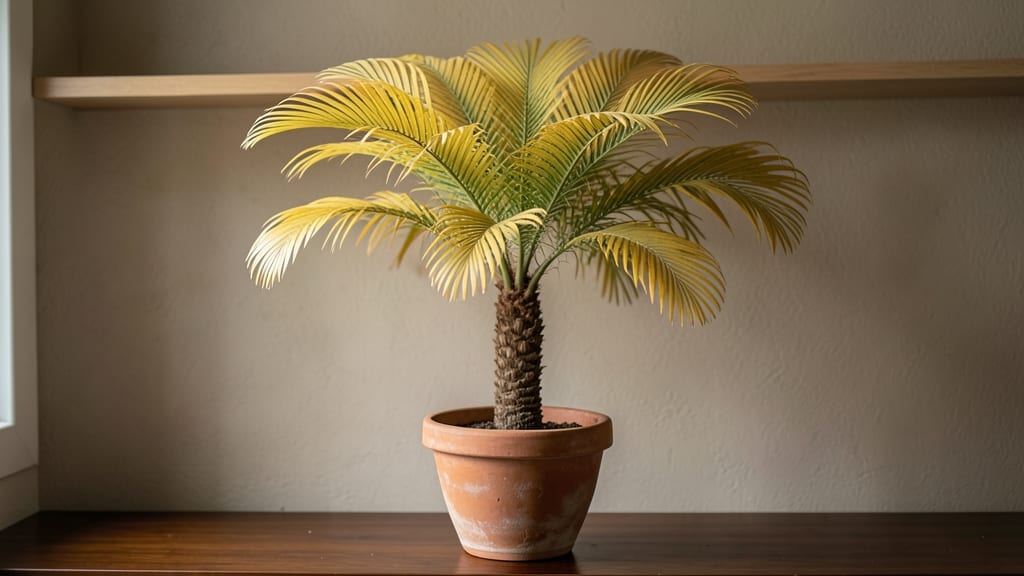
Growing an adonidia palm indoors transforms your home into a lush tropical retreat—without the humidity struggles of other palms. 🌿 I’ve kept mine thriving for years by mimicking its natural jungle habitat, and the secret isn’t complicated: bright, indirect light, slightly moist soil, and a few intentional tweaks to your home’s environment.
This palm isn’t just pretty; it’s resilient, making it perfect for busy plant parents who want drama without the fuss.
The key to keeping your adonidia happy starts with light and airflow. Place it near an east-facing window where it gets morning sun and gentle afternoon shade—too much direct light scorches its leaves, while too little causes slow growth.
A small fan on low circulation mimics its windy native habitat, keeping pests at bay and preventing those pesky brown leaf tips. The soil should stay slightly damp but never soggy, and a well-draining mix with perlite or orchid bark prevents root rot.
You’ll notice the difference in just a few weeks: glossy, arching fronds and a sturdy trunk that grows 2-3 inches per year with proper care. Prune yellow or damaged leaves at the base to keep it looking sharp, and fertilize lightly every 6-8 weeks during spring and summer.
The reward? A palm that feels like a vacation in your living room, year after year.
For homes with dry air, a pebble tray with water or a humidifier nearby works wonders. If your palm starts struggling—think yellowing leaves or slow growth—check for overwatering first, then adjust light or humidity. With these simple steps, your adonidia will outlast every other houseplant in your collection.
📚 In This Guide
- What you need
- Instructions
- Tips and common mistakes
- Wrapping up and next steps
What you need
- ● Adonidia palm (A. merrillii or A. polyphylla) – Choose a healthy, mature plant (1-3 feet tall) with no signs of pests or disease.
- ● 12-18" pot with drainage holes – Opt for a terracotta or ceramic pot (10-12" diameter) for breathability. Avoid plastic if humidity is low.
- ● High-quality potting mix – A well-draining blend like: 50% peat moss or coconut coir (for moisture retention)
- ● 30% perlite or pumice (for aeration)
- ● 20% orchid bark or sand (for drainage)
- ● Gravel or orchid bark – 1-2 inches to layer at the pot’s base for extra drainage.
- ● Balanced liquid fertilizer (10-10-10 or 20-20-20) – Diluted to half-strength for feeding.
- ● Spray bottle or humidifier – Critical for maintaining 50-70% humidity indoors.
- ● Pruning shears (sterilized) – For trimming dead fronds or yellowing leaves.
- ● Self-watering pot or cache pot – Reduces root rot risk by preventing overwatering.
- ● Grow lights (LED or fluorescent) – If natural light is <10 hours/day, supplement with 12-14 hours of bright, indirect light.
- ● Peat pellets or moss – For a natural, aesthetic pot lining (e.g., sphagnum moss for humidity).
- ● Decorative tray with pebbles – Elevates the pot and adds humidity via evaporation.
- ● Soil moisture meter – Avoids guesswork when checking soil dryness.
Step-by-step guide to growing Adonidia palm indoors
Here's how to bring this striking tropical plant into your home with confidence.
🪴 Step 1: Select the Right Container and Soil
Choose a well-draining pot with drainage holes—terracotta works beautifully for this palm. The container should be 2-3 inches larger in diameter than the plant's root ball to allow room for growth without overcrowding. I like to use a pot that's about 12-14 inches wide for a mature Adonidia palm.
Fill the bottom 2 inches of the pot with orchid bark mix or perlite to improve drainage. This prevents waterlogging, which can rot the roots. Next, add a high-quality palm or orchid mix to fill the rest of the pot, leaving about 1 inch from the rim for watering. The soil should be light, airy, and slightly acidic—around 5.5-6.5 pH.
☀️ Step 2: Position for Bright, Indirect Light
Place your Adonidia palm in a location with bright, indirect light—think east or west-facing windows. This palm thrives in medium to bright indirect light but can tolerate some direct morning sun. If you notice the leaves turning yellow or brown, it’s a sign of too much direct sunlight. Rotate the pot a quarter turn every few weeks to ensure even growth.
Here's the thing—this palm can also adapt to lower light conditions, but growth will slow. If your home has dim lighting, supplement with a grow light positioned 12-18 inches away for 12-14 hours daily. You'll see new fronds emerging more frequently when light conditions are ideal.
💧 Step 3: Master the Watering Routine
Water your Adonidia palm thoroughly when the top 2 inches of soil feel dry to the touch. Stick your finger into the soil—if it's dry up to your first knuckle, it's time to water. Pour water slowly until it drains freely from the bottom of the pot. Empty the saucer 30 minutes later to prevent root rot from sitting water.
During the winter months, reduce watering to every 2-3 weeks since the plant grows more slowly. Overwatering is the biggest mistake—yellowing leaves or mushy stems are red flags. If you're unsure, it's better to underwater slightly than to drown the roots. A moisture meter helps take the guesswork out of it.
✂️ Step 4: Fertilize and Prune for Healthy Growth
Feed your Adonidia palm with a balanced liquid fertilizer (like 20-20-20) every 4-6 weeks during the spring and summer. Reduce feeding to every 8-10 weeks in fall and winter. I like to dilute the fertilizer to half-strength to avoid burning the roots. Always water the plant before applying fertilizer to prevent salt buildup in the soil.
Prune dead or yellowing fronds at the base with clean, sharp pruners. Cut just above the point where the frond meets the trunk to keep the plant looking tidy. This also encourages new growth. If you notice brown tips on the fronds, it’s often a sign of low humidity—mist the leaves occasionally or place the pot on a pebble tray with water to increase humidity.
🌿 Step 5: Monitor for Pests and Adjust Care
Check the undersides of leaves weekly for spider mites, mealybugs, or scale. Wipe leaves with a damp cloth to remove dust and deter pests. If you spot pests, treat with neem oil or insecticidal soap—spray the solution evenly on all sides of the fronds. Repeat every 5-7 days until the pests are gone.
Watch for leaf drop—this can happen if the plant is too cold, too dry, or suddenly moved. If you move your Adonidia palm, do it gradually over a few days to help it adjust. Keep the plant in a room with temperatures between 65-80°F—it won’t tolerate drafts or temperatures below 55°F. With the right care, your palm will reward you with lush, vibrant growth for years.
Tips & tricks for perfect Adonidia palm care indoors
Between us, these little details make the difference between a struggling houseplant and a thriving tropical beauty. Here's what I've learned after watching my Adonidia palms transform from sad store-bought specimens to lush, statement-making centerpieces.
Light Placement Matters: That east or west-facing window recommendation isn't just about avoiding direct sun—it's about creating the perfect light gradient. I've found the sweet spot is about 3 feet from the window where the light is bright but diffused. If you notice new fronds emerging smaller than the mature ones, that's your cue to move closer to the light source. For those winter months when days are shorter, supplement with that grow light for those critical 12-14 hours—it makes all the difference in maintaining consistent growth.
Soil Science That Works: Don't just grab any potting mix from the store. The 2 inches of orchid bark or perlite at the bottom isn't just for show—it's your insurance against root rot. I like to mix in a handful of coconut coir to the palm mix for extra moisture retention without compacting. And here's the thing about pH: Test your soil occasionally. That 5.5-6.5 range is crucial—too acidic and you'll see nutrient deficiencies, too alkaline and your palm will struggle to absorb what it needs.
Watering Wisdom: The finger test is your best friend, but I've learned to trust my eyes too. When those top 2 inches feel dry, water thoroughly until it drains from the bottom. The key is consistency—don't let the soil dry out completely between waterings, but don't keep it soggy either. I've ruined palms by both overwatering and underwatering, and trust me, the yellowing leaves look the same regardless of which mistake you made.
Temperature Transition Tip: Those 65-80°F recommendations are perfect, but what matters more is consistency. If you're moving your palm between rooms or seasons, do it gradually. I've seen palms go into shock when suddenly exposed to cold drafts from air conditioning vents or hot air from heating registers. A slow transition over a week helps the plant adjust without dropping fronds. And remember, that 55°F minimum is serious—any colder and you risk permanent damage.
Pro Tips for Adonidia Palm Indoors
- Between us, these little details make the difference between a struggling houseplant and a thriving tropical beauty. ...
- Light Placement Matters: That east or west-facing window recommendation isn't just about avoiding direct sun—it's abo...
- Soil Science That Works: Don't just grab any potting mix from the store. The 2 inches of orchid bark or perlite at th...
Frequently asked questions
How often should I water my Adonidia palm indoors?
Water your Adonidia palm when the top 2–3 inches of soil feel dry to the touch. Typically, this means watering every 1–2 weeks, but adjust based on humidity, temperature, and pot size. Overwatering is the #1 killer—always ensure the pot has drainage holes to prevent root rot.
Can Adonidia palms survive winter indoors?
Yes! These palms thrive indoors year-round, but they prefer consistent warmth (65–80°F). Avoid cold drafts (like near windows in winter) and keep them away from heat vents, which can dry out the air. A humidifier or pebble tray can help mimic their tropical habitat.
Why are the tips of my Adonidia palm turning brown?
Brown tips usually signal low humidity or underwatering. Try these fixes:
- Mist leaves regularly or use a humidifier.
- Check soil moisture—water lightly if the topsoil is dry.
- Wipe leaves with a damp cloth to remove dust (helps with absorption).
What’s the best indoor location for an Adonidia palm?
Place your palm in bright, indirect light (east or north-facing windows are ideal). Avoid harsh direct sun, which can scorch leaves. If natural light is limited, supplement with a grow light 12–14 hours daily. Rotate the pot monthly for even growth.
Are there low-maintenance alternatives to Adonidia palms?
If you want a similar look but with less fuss, consider:
- Areca palm – Hardy and forgiving.
- Parlor palm – Thrives in low light.
- Dwarf Date palm – Compact and drought-tolerant.
How often should I repot my Adonidia palm?
Repot every 2–3 years or when roots outgrow the current pot. Spring is the best time! Choose a container just 1–2 inches larger in diameter and use a well-draining mix (like cactus soil + perlite). Pro tip: Trim crowded roots gently to encourage healthier growth.
Wrapping up and next steps
Bringing an Adonidia palm indoors isn’t just about adding a touch of tropical flair—it’s about embracing a low-maintenance, rewarding plant that thrives with just a little care. With the right light, humidity, and watering routine, you’ll enjoy its striking beauty year-round while purifying your air.
Ready to elevate your indoor jungle? Start by picking your perfect pot and giving this stunning palm the love it deserves—your space (and future plant babies!) will thank you.
- Next step: Shop Adonidia-friendly pots or browse care guides to begin your journey!