
Container Gardens
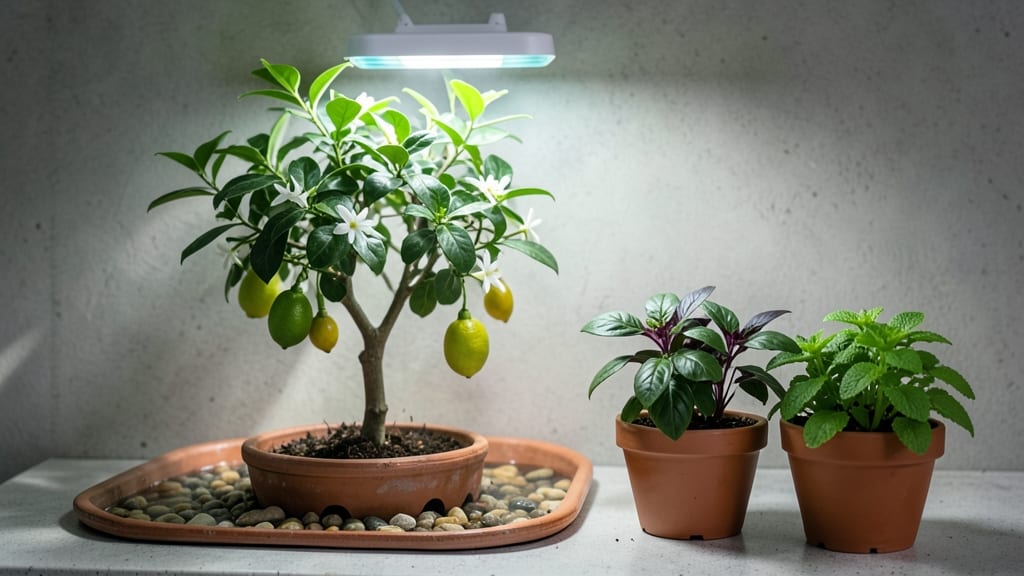
Growing fruit indoors isn't just possible—it's shockingly rewarding. 🌱 My first attempt with a dwarf Meyer lemon produced fruit within a year, proving that even small spaces can yield big harvests with the right approach.
The secret lies in choosing compact varieties like strawberries, figs, or citrus that thrive in containers. You'll need a sunny windowsill (or grow light), well-draining soil, and a pot with drainage holes—simple supplies that make all the difference. Most beginners overlook light intensity, but this is where the magic happens.
By summer, you'll be harvesting sweet berries, tangy citrus, or even tiny figs from plants that fit on your kitchen counter. The scent of ripe fruit indoors is unmatched, and the pride of growing it yourself? Priceless. Works year-round, though winter may require supplemental light.
Here's how to set up your first indoor fruit harvest—no greenhouse needed.
📚 In This Guide
- What you need
- Instructions
- Tips and common mistakes
- Wrapping up and next steps
What you need
- ● Containers: 1–3 drainage holes (critical!)
- ● Size: 5–10 gallons (bigger = better for dwarf varieties like citrus or figs)
- ● Material: Terracotta, fabric, or plastic (terracotta wicks moisture but dries faster)
- ● Growing Medium: Well-draining potting mix (avoid garden soil—it compacts!)
- ● Add perlite or vermiculite (10–20% of mix) for aeration
- ○ Optional: Coco coir or orchid bark for tropical fruits (e.g., pineapples)
- ● Fruiting Plants: Beginner-friendly picks: Dwarf citrus (lemon, lime), strawberries, or cherry tomatoes
- ● Advanced options: Dwarf figs, blueberries (in acidic soil), or dwarf apples
- ● Check light requirements—some need 6+ hours of sunlight!
- ● Lighting: South-facing window (ideal for citrus; 4+ hours of direct sun)
- ● Grow lights: LED full-spectrum (12–16 hrs/day) for low-light spots
- ● Watering & Care: Watering can with a narrow spout (avoid soggy soil!)
- ● Humidity tray (for tropical fruits like pineapples)
- ● pH test kit (for blueberries—needs 4.5–5.5 pH)
- ● Fertilizer: Balanced liquid (10-10-10) or citrus-specific (dilute to half-strength)
- ● Self-watering system (for forgetful growers!)
- ● Trellis or stakes (for vining fruits like strawberries or grapes)
- ● Soil moisture meter (prevents over/under-watering)
- ● Pollination aid (small brush to hand-pollinate if no bees visit)
- ● Decorative cache pots (to hide functional containers)
Step-by-step guide to growing fruit indoors
Here's how I turn any bright windowsill into a productive mini-orchard—no greenhouse needed.
🌱 Step 1: Select the Right Varieties for Small Spaces
Not all fruit trees thrive indoors, so I focus on dwarf varieties bred for containers. Dwarf Meyer lemon, patio fig, and bush dwarf apple are my top picks—they stay under 3 feet tall and produce fruit reliably. Buy established plants from reputable nurseries rather than starting from seed, as they fruit faster and have stronger root systems.
Check the plant tag for light requirements—some need full sun (6+ hours) while others tolerate bright indirect light (4-6 hours)**. A south-facing window is ideal, but east or west works if you supplement with a grow light during winter months when sunlight is weak.
🪴 Step 2: Choose and Prepare the Right Container
Use a pot that's at least 12-18 inches wide and deep—smaller containers stunt root growth and reduce fruiting. I prefer terracotta because it breathes and prevents root rot, but plastic works too if you drill extra drainage holes. The container must have drainage holes at the bottom, and I always place it on a saucer to catch excess water.
Fill the pot with a well-draining potting mix—never garden soil. I blend 60% potting soil, 30% perlite, and 10% compost for the perfect balance of moisture retention and aeration. Tap the pot gently after filling to settle the mix without compacting it, then water until it's evenly moist but not soggy.
☀️ Step 3: Position for Optimal Light and Temperature
The key to indoor fruit success is light—these plants need bright, direct sunlight for 6-8 hours daily. If your windowsill doesn't provide enough, supplement with a full-spectrum LED grow light placed 6-12 inches above the plant for 14-16 hours per day. I adjust the light height as the plant grows to maintain that distance.
Keep temperatures between 65-75°F during the day and 55-65°F at night. Avoid cold drafts from windows or vents, which stress plants and drop fruit. If you notice leaves yellowing or fruit falling prematurely, move the plant away from drafty areas immediately.
💧 Step 4: Water and Fertilize for Consistent Production
Water when the top 1-2 inches of soil feel dry—stick your finger in to check. Overwatering is the fastest way to kill an indoor fruit plant, so I always let excess water drain completely before placing the pot back on its saucer. During fruiting season, I increase water slightly but never let the roots sit in standing water.
Feed every 4-6 weeks with a balanced liquid fertilizer (10-10-10 or 20-20-20) diluted to half strength. I switch to a high-phosphorus fertilizer (5-10-5) when buds form to encourage flowering and fruiting. Always water the plant first to prevent fertilizer burn on the roots.
✂️ Step 5: Prune and Maintain for Long-Term Fruitfulness
Prune in late winter or early spring before new growth begins. Remove any dead, diseased, or crossing branches first, then thin out 20-30% of the oldest wood to encourage new, fruiting growth. I make cuts just above a leaf node or outward-facing bud to promote healthy regrowth.
Watch for pests like spider mites or aphids—wipe leaves with a damp cloth weekly to remove dust and deter infestations. If you see signs of trouble, isolate the plant and treat with neem oil or insecticidal soap. A healthy indoor fruit plant should produce 1-2 harvests per year, with some varieties like dwarf Meyer lemon fruiting almost continuously if conditions are right.
Tips & tricks for perfect indoor fruit cultivation
These practical insights will help you transform your windowsill into a thriving indoor orchard without the common pitfalls.
Variety Selection Wisdom: When choosing between dwarf Meyer lemon, patio fig, or bush dwarf apple, consider your space and light conditions first. The dwarf Meyer lemon is the most forgiving for beginners because it tolerates slightly less light than the others. I always check the plant tag for specific light requirements—some need that full 6-8 hours of direct sunlight, while others can handle 4-6 hours of bright indirect light. This small detail can mean the difference between a thriving plant and one that struggles to fruit.
Container Mastery: The 12-18 inch minimum size for containers isn't arbitrary—it directly impacts root growth and fruiting potential. I've learned the hard way that smaller pots restrict roots and reduce harvests. For terracotta pots, I always pre-soak them before planting to prevent them from wicking moisture away too quickly. And remember: that well-draining mix of 60% potting soil, 30% perlite, and 10% compost isn't just a recommendation—it's essential for preventing root rot while maintaining proper moisture levels.
Lighting Strategy: The 6-8 hours of direct sunlight requirement is non-negotiable for most indoor fruit varieties. In winter months when natural light diminishes, I supplement with a full-spectrum LED grow light placed 6-12 inches above the plant for 14-16 hours daily. Pro tip: Adjust the light height as your plant grows to maintain that crucial distance. I've found that using a timer for the grow light eliminates the guesswork and ensures consistent light exposure—something I wish I'd known earlier when my first indoor lemon tree struggled to fruit.
Temperature Management: Maintaining that 65-75°F daytime range and 55-65°F nighttime range makes all the difference. I've noticed that even slight temperature fluctuations can cause fruit to drop prematurely. One trick I use is placing my plants on a heat mat during winter months to maintain more consistent soil temperatures. And if you notice leaves yellowing or fruit falling, check for drafts first—those are usually the culprits causing stress to your plants.
Pro Tips for Indoor Fruit Growing
- These practical insights will help you transform your windowsill into a thriving indoor orchard without the common pi...
- Variety Selection Wisdom: When choosing between dwarf Meyer lemon, patio fig, or bush dwarf apple, consider your spac...
- Container Mastery: The 12-18 inch minimum size for containers isn't arbitrary—it directly impacts root growth and fru...
Frequently asked questions
Got questions about growing fruit indoors? You’re not alone—here are some of the most common ones, answered for your peace of mind!
What are the easiest fruits to grow indoors?
Start with low-maintenance varieties like dwarf citrus trees (lemon, lime), strawberries, dwarf apple trees, or herbs like mint (technically a fruit!). These thrive in containers with minimal space and light. Avoid large fruiting plants like watermelons—they need too much room!
How long does it take for indoor-grown fruit to produce?
Timelines vary! Citrus trees may take 1–3 years to bear fruit, while strawberries can produce berries in 6–12 months. Dwarf varieties mature faster than full-sized plants. Patience is key—focus on consistent light, water, and care to speed up the process.
Can I grow fruit indoors without a sunny window?
Use a grow light (LED or fluorescent) for 12–16 hours daily. Place it 6–12 inches above plants. Herbs and leafy greens adapt well, while fruiting plants like tomatoes or peppers need stronger light. Rotate plants weekly for even growth!
What should I do if my indoor fruit plant gets pests?
Isolate the plant immediately. Wipe leaves with neem oil or soapy water for soft-bodied pests like aphids. For fungus gnats, let the soil dry slightly between waterings. Avoid chemical sprays—they’re toxic to pets and your harvest. Prevention? Keep humidity moderate and inspect new plants before bringing them inside.
Will indoor fruit taste as good as store-bought?
Often better! Homegrown fruit ripens naturally on the plant, packing more flavor and nutrients. However, indoor conditions (limited light, smaller containers) can affect size or yield. Choose compact varieties and supplement with grow lights for the juiciest results.
Wrapping up and next steps
Growing fruit indoors isn’t just a trend—it’s a delightful, rewarding way to enjoy fresh, homegrown produce year-round, no matter your space. With the right containers, light, and care, you can turn a sunny windowsill into a thriving mini orchard.
Whether you’re a beginner or a seasoned green thumb, the key is to start small, stay consistent, and enjoy the process!
Ready to take the next step? Pick your favorite fruit, gather your supplies, and begin your indoor harvest journey today—your future self (and taste buds!) will thank you. 🌱