
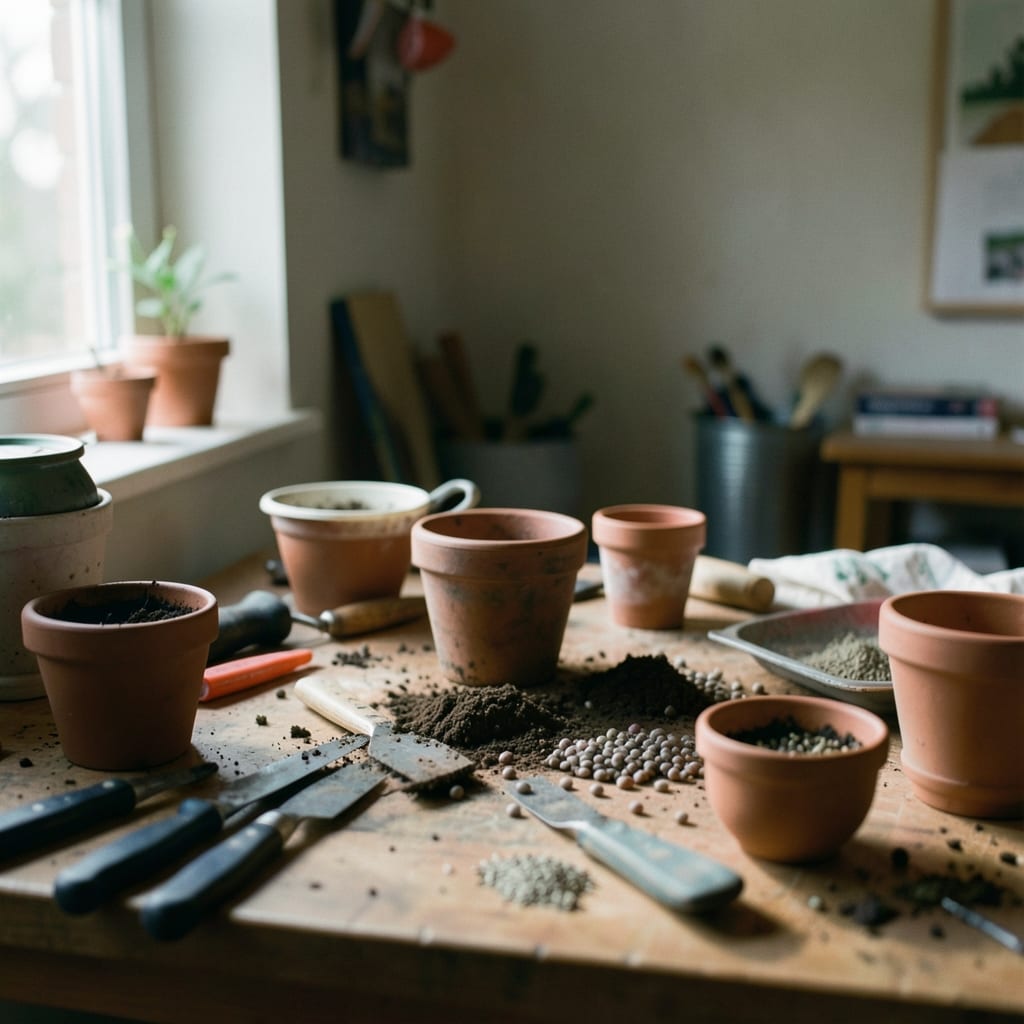
You have read a hundred of these
You’re right to be sceptical. Most gardening advice is written by people who’ve never had a seedling wilt in their hands or watched a prized tomato plant collapse under blight. We’ve been there—too many dead starts, too many ‘tried and true’ methods that failed the second we trusted them.
The difference here isn’t that we’ve never made mistakes. It’s that we’ve made *enough* of them to know which ones matter. That basil you killed because you overwatered? We’ve done it too. That zucchini patch that bolted before it fruited? Same.
The soil pH chart that made no sense until you tested it yourself? We’ve stared at blank sheets of paper trying to reverse-engineer why our peppers refused to ripen.
This isn’t theory. It’s the notes scribbled on the back of a seed packet after the third failed attempt—what worked, what didn’t, and why. No ‘plant in full sun’ without telling you what ‘full sun’ *really* means in your microclimate.
No ‘harvest when ready’ without showing you how to tell when the fruit is *actually* ready.
Every gardening site starts with a promise that *this* time it’ll be real, honest, no fluff.
Anyone can write that they test things
Here’s what ‘tested’ looks like for us: 12 batches of heirloom tomatoes over three years, with soil amendments adjusted after every failure. The first four batches rotted from overwatering; the next three split open because the pH was off.
The ninth batch finally fruited—but only after we swapped the container, added calcium, and moved it under a shade cloth by noon.
Or take perennial herbs: we’ve grown rosemary from cuttings in five different soil mixes, tracked how long each took to root (one failed entirely), and logged the survival rate after two winters. The ‘fastest to establish’ mix? The one with 30% perlite and a slow-release fertilizer. The ‘most resilient’?
The one with composted hardwood chips and a mulch blanket. Neither is ‘obvious’—they’re the result of discarding what didn’t work.
We don’t just test once. We test until the data stops lying. That means discarding failed plants (not just photos), recording exact timelines (not vague ‘weeks’), and notifying ourselves when a ‘proven’ method bites us.
Like the time we trusted a chart that said ‘plant beans in May’—only to lose the entire crop to frost because our last spring freeze was three weeks later than the 30-year average.
We’ve seen ‘tested’ mean one batch of seeds, one pot, and a single Instagram-worthy shot.
About the author
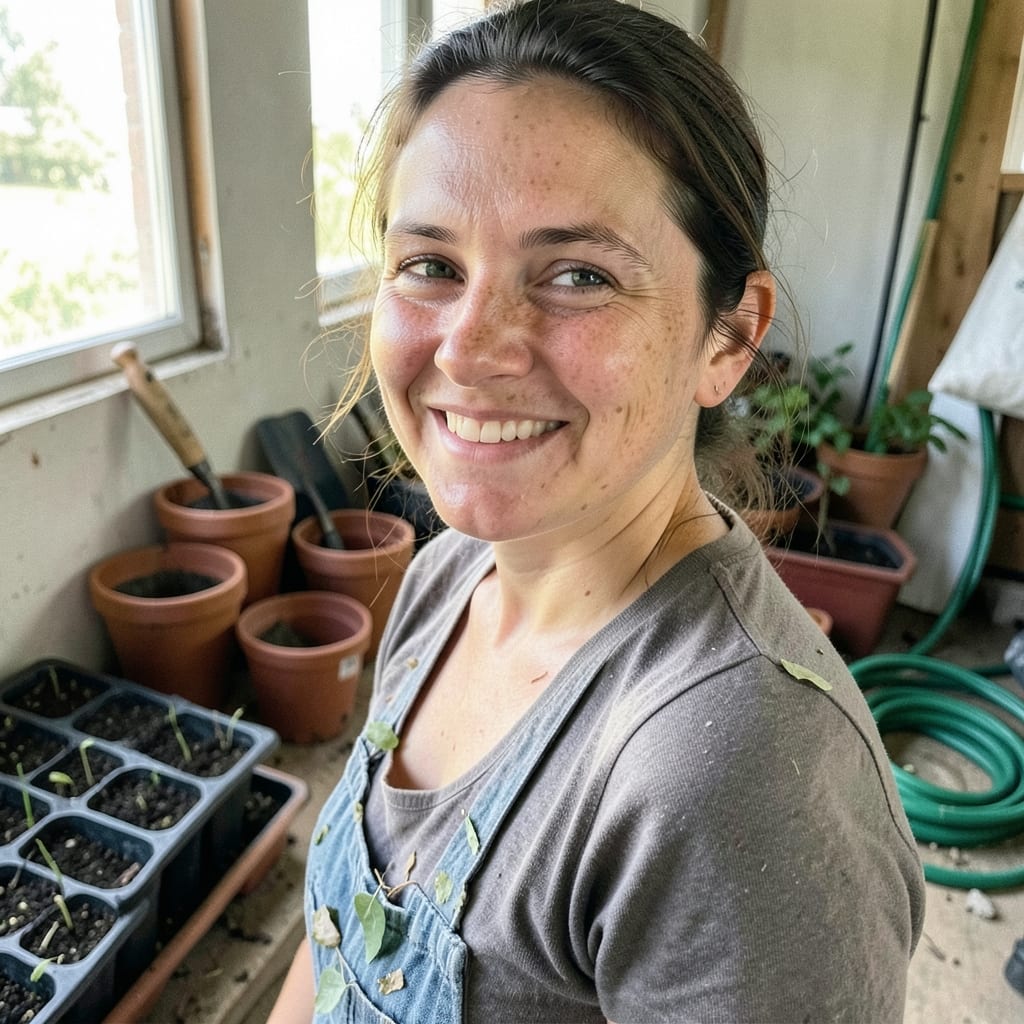
Joelle Quintero is the founder and editor of *When To Plant Indoor*, and she’s the one who still checks the soil moisture with her finger instead of a meter—‘old habits,’ she’ll say, even though the plants have outgrown her childhood backyard.
The five rules we work by
- 1If it’s not measurable, it’s guesswork
Soil pH? Test it. Light hours? Use a timer. Water weight? Weigh the pot before and after. No more ‘eyeballing’—because eyeballs lie, and plants don’t. This costs us time (digging through old journals to find the *real* numbers) and patience (waiting for a second test to confirm a ‘breakthrough’). But it saves you the heartbreak of a dead plant that ‘should’ve’ thrived.
- 2Failures get a postmortem, not a burial
Every plant that dies is dissected: was it the soil? The light? The pot size? We take photos of the roots, note the leaf discoloration, and cross-reference it with what we *thought* we knew. This costs us space (a freezer full of ‘samples’) and pride (admitting we misread a symptom). But it means the next person doesn’t repeat the same mistake—and neither do we.
- 3No ‘quick fixes’ for slow-growing problems
Blight? We research the *specific* strain and its life cycle, not just the first spray we find. Wilting? We check for root rot *before* assuming it’s thirst. This costs us money (buying the right tools) and speed (waiting for a lab report instead of guessing). But a plant that recovers from the right fix stays healthy longer than one that ‘works’ by accident.
- 4Seasonal data beats ‘general advice’
We track first/last frosts, humidity swings, and even neighbor’s sprinkler schedules because ‘Zone 7’ doesn’t tell you if your microclimate is a heat island or a frost pocket. This costs us effort (mapping our yard’s sun exposure every hour) and flexibility (not all plants fit the ‘one size’ we’ve tested). But it’s the difference between a garden that *might* work and one that *does*.
- 5We publish what we’d want to read
No ‘secret tips’ held back for ‘advanced gardeners.’ No jargon that assumes you know what ‘vernalization’ means. This costs us ego (writing for beginners when we’re not) and clarity (cutting the fluff we *love* but others don’t). But it means you’re not left Googling ‘what’s a scion?’ halfway through a grafting guide.
The one rule we’ve broken? Assuming our first attempt was the last. Like the time we swore by ‘never fertilize after 6 PM’—until we realized our evening-blooming jasmine *needed* that late feeding to set fruit.
Or when we dismissed ‘companion planting’ as old wives’ tales—until our cucumbers outproduced the neighbors’ by 40% after we moved in the nasturtiums. The rule isn’t ‘never bend it’; it’s ‘only bend it after you’ve tried the straight line.’
This will not be right for everyone
Close this page now if you’re looking for quick wins. If you want a site that tells you ‘plant this, water that, and harvest in 30 days,’ this isn’t it. We don’t promise miracles—just the unsexy truth that most gardens take years to get right, not seasons.
The soil, the climate, even your tap water can turn a ‘foolproof’ method into a disaster.
This is also the wrong place if you hate details. We don’t just say ‘use compost’; we tell you which composts killed our peppers (the ones with high salt content) and which revived our soil (the aged hardwood blend).
If you’d rather skim for the ‘big idea’ and ignore the ‘boring’ parts, look elsewhere. The people who stay—and thrive—are the ones who read the footnotes.
You could just be told what you want to hear
We could say ‘our methods work for 90% of gardeners’—but we’d be lying. Some of our ‘proven’ techniques fail in greenhouses, in high-altitude yards, or with city tap water.
We could gloss over the two years it took to perfect our strawberry patch (spoiler: it involved chicken wire, shade cloth, and a lot of mulch). We could ignore that our ‘best’ compost recipe is a failed one—just one that didn’t kill the plants.
Worth telling us
- The one soil amendment that ‘should’ve’ worked but didn’t—and what we learned from the disaster.
- How we accidentally grew a 12-pound tomato (and why it’s not repeatable).
- The ugliest plant we’ve ever nursed back to life (and what we did wrong the first three times).
The guides are grouped by category: Container Gardens, Flowers, How To, Orchid Care, Pests and Diseases and Planting.