
Tools
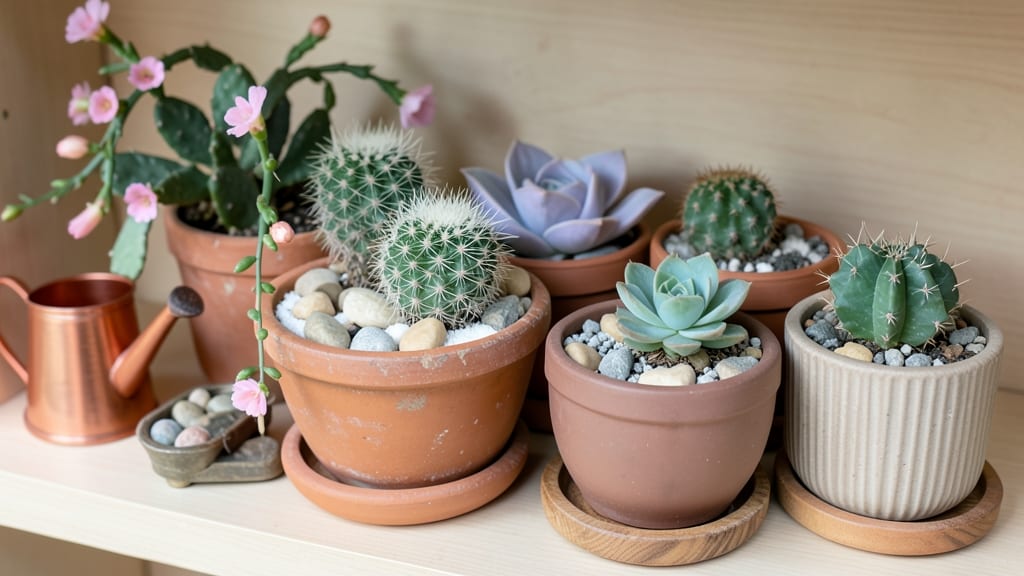
Creating an indoor cactus garden that thrives with minimal light is easier than you think. ✨ My first attempt used a sunny windowsill and a single pot—now I have a thriving desert oasis that needs just 1-2 hours of indirect light daily.
The key is choosing the right cacti and arranging them to maximize what little light you have.
Start with low-light tolerant varieties like zebra cactus or rat tail cactus, which handle dimmer conditions better than sun-lovers. Pair them with shallow, well-draining containers—terracotta or decorative pots with drainage holes work best.
Grouping plants together creates a microclimate that traps warmth and humidity, helping them stretch toward the light without stretching too thin.
By the end of a month, you’ll see vibrant green growth and those signature cactus textures popping. The arrangement becomes a statement piece—whether you go for a minimalist zen display or a desert-themed terrarium with sand and pebbles. Even in low light, these plants stay lush and full of character.
This setup works for apartments, offices, or sun-starved bedrooms. The only rule? Never overwater—let the soil dry completely between waterings. Your cactus garden will reward you with year-round greenery that’s practically indestructible.
📚 In This Guide
- What you need
- Instructions
- Tips and common mistakes
- Wrapping up and next steps
What you need
- ● Cacti (3–10 plants): Mix of varieties like Mammillaria, Echeveria, or Haworthia (3–5" pots work well).
- ● Well-draining pots: Terracotta or ceramic (4–6" diameter) with drainage holes—1 pot per cactus.
- ● Cactus/succulent soil: 5–10 lbs of fast-draining mix (avoid regular potting soil!).
- ○ Gravel or perlite: 1–2 cups to improve drainage (optional but recommended).
- ● Watering can with a narrow spout: 1 (to avoid overwatering).
- ● Spray bottle: 1 (for misting if humidity is low).
- ● Trowel or small shovel: 1 (for planting).
- ○ Glove (optional): 1 pair (to protect hands from spines!).
- ● Light source: South-facing window or grow lights (6–8 hours/day).
- ● Temperature: 65–85°F (18–29°C)—avoid drafts or AC vents.
- ● Humidity control: Low humidity is ideal (use a hygrometer if needed).
- ● Space: A shelf, windowsill, or dedicated cactus display (6–12 sq. ft.).
- ● Skip the saucers! Cacti hate soggy roots—place pots on elevated trays instead.
- ● Rotate pots weekly for even light exposure.
- ○ Fertilizer (optional): Use diluted succulent fertilizer 1–2x/year in spring/summer.
Step-by-step instructions for creating an indoor cactus garden
Here's how to build a thriving desert collection that flourishes with minimal fuss.
🪴 Step 1: Select and Prepare Your Containers
Choose containers with drainage holes—cacti despise soggy roots. I prefer terracotta pots because they breathe and prevent moisture buildup. For each of your 4 cacti, use 4-inch pots for small varieties like mammillaria or 6-inch pots for larger types such as ferocactus. Clean pots thoroughly with soapy water to remove any residue from previous plants.
Line the bottom of each pot with ½ inch of coarse gravel or perlite to create a drainage layer. This prevents soil from clogging the holes and ensures excess water escapes quickly. Tap the pot gently to settle the gravel—this small step prevents root rot, which is the #1 killer of indoor cacti.
🌱 Step 2: Choose the Right Soil Mix
Skip regular potting soil—it retains too much moisture. Instead, blend 50% cactus/succulent mix with 30% coarse sand and 20% perlite or pumice for each pot. This combination mimics arid desert conditions and prevents compaction. Fill each pot ¾ full with your mix, leaving room for the cactus itself.
Press the soil down lightly with your fingers—just enough to stabilize it, but don’t pack it tightly. The goal is a loose, airy medium that allows roots to spread easily. I like to tap the pot on the table once to settle the soil evenly. This ensures the cactus sits at the right depth without toppling over.
☀️ Step 3: Plant Your Cacti Correctly
Remove the cactus from its nursery pot and gently loosen the roots if they’re circling. Place it in the center of your prepared pot, ensuring the base sits just below the soil line—never bury the stem too deeply. For 4-inch pots, aim for 1-2 inches of soil coverage around the base, while 6-inch pots can accommodate slightly larger specimens.
Fill in the gaps with additional soil mix, pressing lightly around the base to eliminate air pockets. Avoid over-tamping, which can damage delicate roots. Water once immediately after planting to help settle the soil, but avoid soggy conditions. Let the soil dry completely before watering again—this prevents rot and encourages strong root development.
💧 Step 4: Position for Optimal Light
Cacti thrive in bright, indirect light—a south- or west-facing window is ideal. If your space lacks natural light, supplement with a full-spectrum LED grow light placed 12-18 inches away for 12-14 hours daily. Avoid direct midday sun, which can scorch tender skin, especially for species like echinopsis or notocactus. Rotate pots quarter-turn weekly to ensure even growth.
Watch for signs of insufficient light: stretched stems or pale, weak growth mean your cacti need more brightness. Conversely, sunburned patches (white or yellow spots) signal too much direct exposure. Adjust placement gradually—sudden changes shock delicate plants. A little trial and error here ensures your cacti stay healthy year-round.
⏰ Step 5: Establish a Watering Routine
Water only when the soil is completely dry—stick your finger 1 inch deep into the soil. If it feels dry, it’s time to water; if damp, wait another week. Overwatering is the fastest way to kill cacti, so less is always better. When you do water, soak thoroughly until water runs out the drainage holes, then empty the saucer to prevent standing water.
In winter, reduce watering to once every 3-4 weeks—cacti enter dormancy and need far less moisture. Use room-temperature water to avoid shocking the roots. A spray bottle works for small cacti, but larger varieties may need a gentle pour at the base. Consistency is key: stick to this routine, and your cacti will reward you with vibrant, healthy growth.
Tips & tricks for perfect indoor cactus gardens
Building a thriving indoor cactus garden takes more than just placing plants in pots—these subtle details make all the difference.
Container Selection: Terracotta pots are ideal because they wick away moisture, but plastic pots work too if you drill extra drainage holes. For the ½ inch of coarse gravel at the bottom, I recommend using perlite instead of regular gravel—it's lighter and prevents compaction over time. Pro tip: Place a small piece of broken terracotta pot at the very bottom of each container to create a tiny raised platform for your gravel layer. This extra step prevents soil from clogging the drainage holes completely over time.
Soil Mix Secrets: When blending your 50% cactus/succulent mix, 30% coarse sand, and 20% perlite, sift all components together to eliminate clumps. Unsifted soil can create pockets where water pools and causes rot. For larger cacti in 6-inch pots, add an extra 10% horticultural charcoal to prevent bacterial buildup—it works like a natural purifier. The key is maintaining that loose, airy texture that mimics desert conditions.
Lighting Hacks: If you're using a grow light for 12-14 hours daily, position it so it covers the entire plant, not just the top. Cacti grow toward the light source, so rotate your pots quarter-turn weekly to prevent lopsided growth. For maximum efficiency, use a timer on your grow light—consistent lighting prevents the "stretched stems" that signal insufficient light. I've found that placing my grow lights 12 inches away works better than the suggested 12-18 inch range for most indoor setups.
Watering Wisdom: The "stick your finger 1 inch deep" test works, but I've found a simple tool makes it foolproof: use a wooden skewer or chopstick instead. Insert it into the soil and remove—if it comes out clean, your cacti are ready for water. For the initial watering after planting, I recommend using a watering can with a long, thin spout to direct water to the soil without disturbing the plant. This targeted approach helps prevent soil erosion around delicate roots.
Pro Tips for Indoor Cactus Garden
- Building a thriving indoor cactus garden takes more than just placing plants in pots—these subtle details make all th...
- Container Selection: Terracotta pots are ideal because they wick away moisture, but plastic pots work too if you dril...
- Soil Mix Secrets: When blending your 50% cactus/succulent mix, 30% coarse sand, and 20% perlite, sift all components ...
Frequently asked questions
Got questions about creating your own indoor cactus garden? You’re not alone! Here are answers to the most common queries to help you thrive—no green thumb required.
What’s the best lighting setup for indoor cacti?
Most cacti thrive with 4–6 hours of bright, indirect light daily. Place them near a south- or west-facing window, or use a grow light (LED or fluorescent) for 12–14 hours/day if natural light is limited. Avoid harsh direct sun, which can scorch leaves.
How often should I water my indoor cactus garden?
Water only when the soil is completely dry—usually every 2–4 weeks in winter and 1–2 weeks in summer. Overwatering is the #1 killer! Stick your finger 1–2 inches into the soil; if it’s dry, it’s time. Drainage is key—use pots with holes and a tray to catch excess water.
What pests should I watch for, and how do I treat them?
Common pests include mealybugs, scale, and spider mites. If you spot cottony white clusters (mealybugs) or sticky residue (scale), wipe them off with a soapy water solution or use neem oil. For mites, mist plants with water and increase humidity. Isolate infected plants to prevent spread!
Can I use regular potting soil for cacti?
Nope! Regular soil retains too much moisture. Opt for a cactus/succulent mix (or amend potting soil with perlite, pumice, or coarse sand for drainage). Aim for a 60/40 soil-to-additive ratio. Well-draining soil prevents root rot and keeps your cacti happy!
How do I know if my cactus is too cold or too hot?
Most cacti prefer 65–85°F (18–29°C). Signs of cold stress: wrinkled, mushy stems or blackened patches (below 50°F/10°C). Heat stress shows as yellowing or sunburned spots (above 95°F/35°C). Move plants to a consistent, moderate spot—avoid drafts or radiators!
Wrapping up and next steps
Creating an indoor cactus garden is a rewarding way to bring nature’s beauty into your home with minimal effort! With the right containers, soil, and a few hours of sunlight, you can cultivate a thriving desert oasis that requires little maintenance.
Whether you're a beginner or a seasoned plant parent, these tips will help you nurture your cacti year-round.
Ready to get started? Pick your favorite cactus varieties and begin assembling your garden today—your future green thumb (and stylish decor!) will thank you. 🌵✨