
Container Gardens
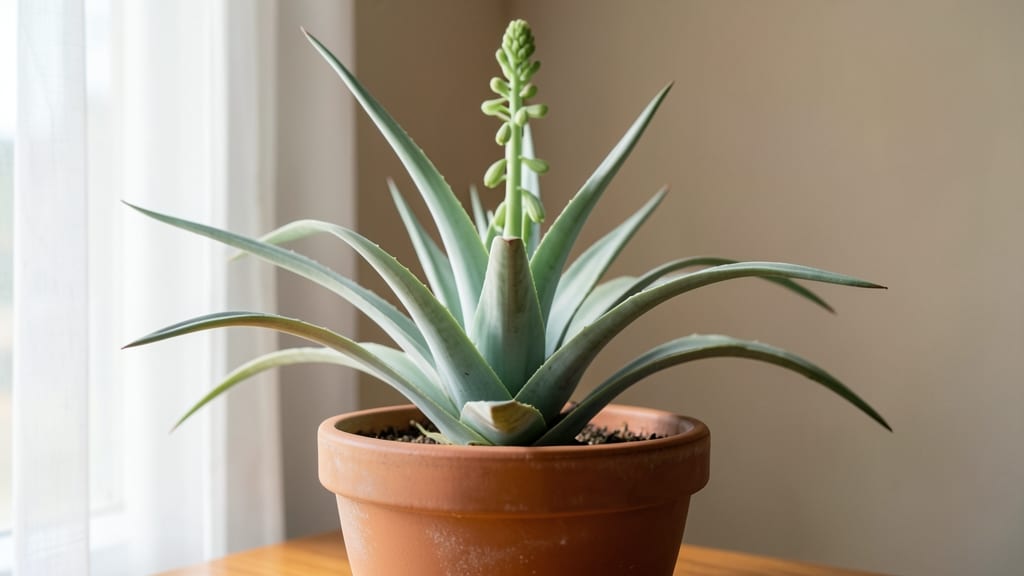
Growing agave attenuata indoors lets you keep this striking succulent's elegant form without bright desert sun. 🌿 The key is matching its slow growth to your home's light—most people overwater because they think it needs moisture like a houseplant, but it's actually drought-tolerant once established.
Start with a 6-8 inch container and well-draining soil mix (cactus/succulent blend works perfectly). The plant thrives in bright indirect light, but even north-facing windows or fluorescent grow lights will keep it happy—just watch for stretched growth that signals it needs more light.
You'll notice its rosettes stay compact and glossy when cared for right, with minimal watering needs (only when soil is completely dry). The real reward? A plant that looks like it belongs in a conservatory, not a sunbaked garden.
Common mistakes include using regular potting soil (root rot risk) or overwatering (it stores moisture in its leaves). With the right setup, your agave will reward you with years of drama-free growth and that coveted "I have a desert plant indoors" vibe.
📚 In This Guide
- What you need
- Instructions
- Tips and common mistakes
- Wrapping up and next steps
What you need
- ● 1x Agave attenuata plant – Choose a healthy, mature specimen (4–6 inches in diameter) from a reputable nursery or online seller.
- ● 6–8-inch diameter pot – Opt for a terracotta or ceramic pot with drainage holes (avoid plastic, which retains too much moisture).
- ● Well-draining cactus/succulent mix – A blend of 50% inorganic material (perlite, pumice, or coarse sand) and 50% organic matter (cactus soil or coco coir). Pro tip: 💡 Avoid garden soil—it compacts and causes rot!
- ● Gravel or pebbles – A 1-inch layer at the pot’s base for extra drainage.
- ● Gloves – Protect your hands from sharp agave leaves (nitrile gloves work best).
- ● Trowel or small shovel – For planting and repotting.
- ● Spray bottle – For gentle watering (overhead watering can cause leaf rot).
- ○ Humidity tray or pebble tray – Optional but helpful for maintaining 30–50% humidity in dry indoor air.
- ○ Grow lights (LED or fluorescent) – Optional for low-light spaces (12–14 hours/day, 12–18 inches above the plant).
- ○ Slow-release fertilizer (balanced 5-5-5 or succulent-specific) – Optional for occasional feeding (spring/summer only).
Step-by-step guide to cultivating agave attenuata indoors
Here's how to nurture this striking succulent's natural slow growth indoors—without the harsh sun it craves outside.
🪴 Step 1: Select the Perfect Container and Soil Mix
Agave attenuata thrives in shallow, wide pots with drainage holes—think terracotta or ceramic at least 12 inches wide for a mature plant. The roots spread horizontally, so depth matters less than diameter. I use a cactus/succulent mix blended with 30% perlite to prevent compaction and improve aeration.
Fill the pot to 1 inch below the rim with your mix, then tap gently to settle. The soil should feel light and gritty—not dense like garden dirt. This prevents root rot, which is the #1 killer of indoor agaves. Skip the decorative stones at the bottom; they trap moisture and encourage fungal growth.
☀️ Step 2: Position for Indirect Light and Controlled Humidity
Place your agave near bright, indirect light—think east-facing windows or 6 feet from a south window. Direct sun will scorch the leaves, while dim corners cause etiolation (stretched, pale growth). You'll know the light is right when leaves stay blue-green and maintain their smooth, rosette shape.
Mist the soil lightly after planting, then water only when the top 2 inches feel completely dry. Agaves store water in their leaves, so underwatering is far safer than overwatering. Increase humidity slightly by placing the pot on a pebble tray with water—just ensure the pot sits above the waterline to avoid soggy roots.
🌿 Step 3: Monitor Growth and Adjust Care Seasonally
Agave attenuata grows slowly—expect 1-2 inches of new growth per year in ideal conditions. Watch for new leaves emerging at the center of the rosette; this signals healthy growth. If leaves develop brown tips, it’s a sign of low humidity or fluoride buildup from tap water. Switch to filtered or distilled water immediately.
In winter, reduce watering to every 3-4 weeks—growth slows dramatically in cooler months. If your home drops below 50°F, move the plant away from cold drafts. The leaves may pucker slightly, but they’ll rebound once temperatures stabilize. This is normal, not a sign of distress.
✂️ Step 4: Prune and Repot Only When Necessary
Remove dead or damaged leaves at the base with sterile scissors, leaving a clean cut. Never prune healthy leaves—agaves are slow to recover. If the plant outgrows its pot (usually after 3-5 years), repot in spring using the same soil mix. Gently tease apart roots if they’re circling.
Here’s the thing—agaves rarely need repotting. Their slow growth means they’re happy in the same container for years. Only upgrade if roots spill over the pot’s edges or the soil drains too quickly. When repotting, choose a pot only 2 inches wider—larger pots hold too much moisture and risk rot.
Tips & tricks for perfect agave attenuata indoors
Real talk: This elegant succulent rewards patience more than anything. Here’s how to avoid the common pitfalls that turn beautiful agaves into sad, leggy shadows.
Container and Soil Selection: That 12-inch minimum width isn’t arbitrary—agave roots spread horizontally, so a shallow pot prevents root binding. I’ve seen people use decorative pots without drainage, and within weeks, root rot sets in. Pro tip: If you’re using a cache pot (decorative outer pot), ensure the inner pot has drainage holes and sits on gravel to prevent waterlogging from the decorative tray.
Lighting Secrets: The 6 feet from a south window guideline is your best bet, but if that’s not possible, supplement with a grow light on a timer (12-14 hours/day). I use a simple LED bulb—no fancy setup needed. Watch for leaves stretching toward light (etiolation); this is your cue to adjust placement. A sheer curtain between the plant and window can diffuse harsh afternoon sun without sacrificing brightness.
Watering Wisdom: The top 2 inches dry rule is non-negotiable, but here’s the catch: Use your finger to check moisture—don’t rely on visual cues. Agaves store water, so the soil can look dry while still holding moisture deeper down. In winter, when watering drops to every 3-4 weeks, I use a moisture meter to double-check. Overwatering is the silent killer, and agaves won’t wilt until it’s too late.
Winter Survival: When temperatures dip below 50°F, move your agave away from drafts—especially near exterior doors or windows. I’ve seen leaves pucker in cold drafts, but they always bounce back once warmth returns. If your home stays consistently cold, consider a small space heater nearby (safely placed!) to maintain a stable environment. The key is consistency—agaves hate temperature swings more than cold itself.
Pro Tips for Agave Attenuata Indoors
- Real talk: This elegant succulent rewards patience more than anything. Here’s how to avoid the common pitfalls that t...
- Container and Soil Selection: That 12-inch minimum width isn’t arbitrary—agave roots spread horizontally, so a shallo...
- Lighting Secrets: The 6 feet from a south window guideline is your best bet, but if that’s not possible, supplement w...
Frequently asked questions
Got questions about keeping Agave attenuata happy indoors?
You’re not alone! Here are answers to the most common queries—from placement to care—so you can enjoy this striking succulent without the guesswork.
How much light does Agave attenuata really need indoors?
Agave attenuata thrives in bright, indirect light (think east or north-facing windows). It tolerates low light better than most agaves but may stretch or lose color if deprived. If your space is dim, supplement with a grow light 6–8 inches away for 12–14 hours daily. Avoid harsh direct sun—it can scorch the leaves!
What’s the best temperature range for indoor Agave attenuata?
Keep it cozy! Ideal temps are 60–80°F (15–27°C). It handles brief dips to 50°F (10°C) but avoid frost or drafts (like AC vents or cold windows). If leaves pucker or turn mushy, it’s likely too cold or overwatered. A sunny windowsill away from heating/cooling sources is perfect!
How often should I water my Agave attenuata indoors?
Water only when the soil is completely dry—usually every 3–4 weeks in winter and every 2 weeks in summer. Stick your finger 2 inches deep: if dry, water thoroughly until it drains from the bottom. Overwatering is the #1 killer—yellow leaves or a mushy base? You’re watering too much. Use a pot with drainage holes!
Can I grow Agave attenuata in a small pot, or does it need room to spread?
Start with a small-to-medium pot (10–12 inches wide)—this plant grows slowly and compactly (unlike its spiky cousins!). Repot every 2–3 years or when roots circle the pot. If you love its look but want to limit size, prune offset pups (baby plants) to keep it tidy. Just avoid overpotting—it prefers being slightly root-bound!
Why are my Agave attenuata leaves turning brown or crispy?
Brown tips or edges usually mean low humidity or underwatering. Boost moisture by misting occasionally or placing the pot on a tray with pebbles and water (just don’t let it sit in water!). If the brown spots are soft and sunken, it’s likely rot from overwatering. Trim dead leaves with sterile scissors and adjust your watering schedule. Pro tip: Rotate the pot monthly for even growth!
Wrapping up and next steps
Growing Agave attenuata indoors is a rewarding way to bring sleek, low-maintenance beauty into your space—even in low-light conditions! 🌿 With the right pot, soil, and a little patience, this slow-growing succulent thrives as a statement piece while requiring minimal effort. Whether you're a beginner or a seasoned plant parent, its forgiving nature makes it the perfect choice for adding a touch of desert elegance to your home.
Ready to take the next step? Start small—pick a sunny spot, monitor its water needs, and enjoy watching it grow into a stunning centerpiece over time. Happy planting! 🌱