
Size
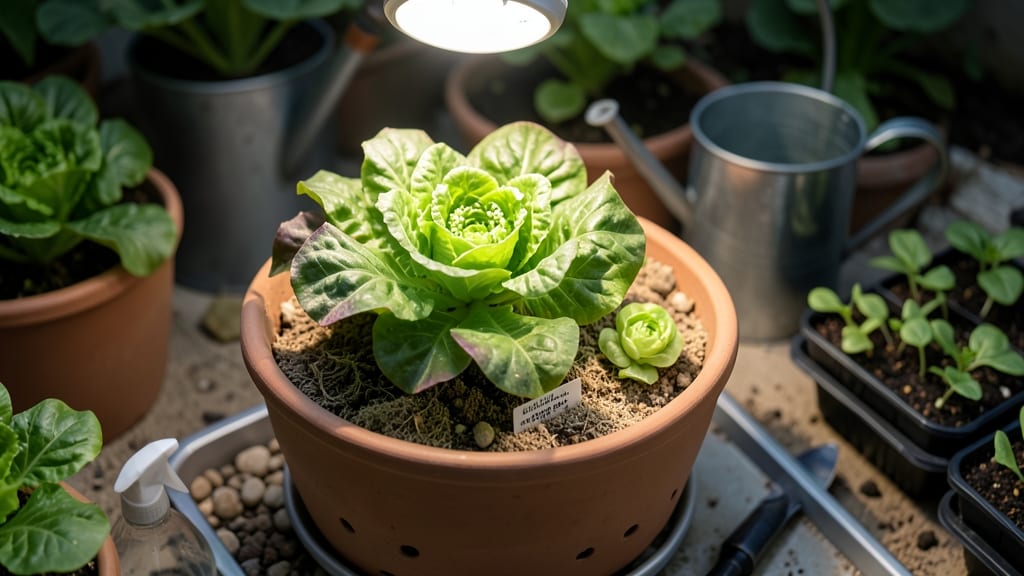
The best way to grow lettuce indoors in 30 days without sunlight is easier than you think—my first batch surprised me with crisp, ready-to-eat leaves by week 4. 🌱 The secret lies in choosing the right varieties (like butterhead or romaine) and setting up a simple grow light system that mimics natural conditions. Most people overthink it, but you just need a few basic supplies and consistent care.
Start with a shallow container (6-8 inches deep) filled with well-draining potting mix, and pick a spot near a bright window or under a basic LED grow light. Lettuce thrives in cool temperatures (60-65°F) and needs about 12-16 hours of light daily—no fancy setups required.
Water gently at the soil level to avoid soggy roots, and you’ll see those first tender leaves in just 10-14 days.
By day 30, you’ll be harvesting fresh, vibrant greens that taste better than anything from the store. The best part? No weeds, no pests, and no need to step outside.
Even my black thumb can’t mess this up—just keep the soil moist and the lights consistent. You’ll be adding salads to your meals in no time.
Works perfectly for apartments, offices, or small kitchens. Once you master this, you can expand to other leafy greens like spinach or kale. Let’s get those seeds planted!
📚 In This Guide
- What you need
- Instructions
- Tips and common mistakes
- Wrapping up and next steps
What you need
- ● Lettuce seeds: Choose fast-maturing varieties like Buttercrunch, Leaf Lettuce, or Romaine (1 packet, ~50 seeds).
- ● Growing containers: Shallow trays (6–8" deep) or pots with drainage holes (minimum 6" diameter for 3–4 plants).
- ○ Optional: Stackable grow trays for space-saving (e.g., 10"x20" for 12+ plants).
- ● Growing medium: Seed-starting mix (sterile, lightweight) or coco coir (1 bag, ~2–3 cubic feet).
- ○ Optional: Perlite or vermiculite (1 cup) for aeration.
- ● Grow lights: Full-spectrum LED grow lights (12–16W per sq. ft.) or a clip-on bulb (5000K–6500K color temp).
- ● Budget tip: A T5 fluorescent bulb (15W–20W) works for small setups.
- ● Basic tools: Spray bottle, small hand trowel, and tweezers (for transplanting).
- ● Watering: Mist sprayer or watering can with a fine rose (avoid over-saturating).
- ○ Support (optional): Small stakes or a toothpick to prop up taller varieties like Romaine.
- ○ Fertilizer (optional): Balanced liquid fertilizer (5-5-5 or 3-4-6 NPK) or fish emulsion.
Step-by-step instructions for growing lettuce indoors
Here’s how to get crisp, homegrown lettuce in just 30 days—no sunlight required!
🌱 Step 1: Choose the Right Containers and Soil
Start with 4 shallow containers (at least 4-6 inches deep)—I use recycled plastic takeout trays with drainage holes punched in the bottom. Fill them with 2-3 inches of seed-starting mix (not regular potting soil—it’s too dense). Press the mix down lightly so it’s firm but still airy. The goal is a fluffy texture that holds moisture without compacting.
Lettuce roots are shallow, so deeper pots aren’t necessary. If you’re using pots without drainage, add a layer of pebbles at the bottom first. Moisten the soil with warm water until it’s damp to the touch but not soggy. You’ll see the top inch dry out quickly—this is normal, but we’ll keep it consistently moist from now on.
🌱 Step 2: Plant Seeds Correctly for Fast Germination
Sow 4-5 seeds per container, spacing them ½ inch apart in rows 1 inch apart. Lettuce seeds are tiny, so I use a toothpick to make tiny holes in the soil—this keeps them at the perfect ¼-inch depth. Cover them lightly with a sprinkle of soil (no need to press down). Mist the surface with water until the soil looks evenly damp.
Here’s the thing—lettuce seeds germinate best in consistent warmth (65-75°F). Place the containers on a seedling heat mat or near a warm spot (like on top of the fridge). You’ll see tiny sprouts in 5-10 days. Once they emerge, remove any weak or crowded seedlings, leaving the strongest 2-3 per container. This prevents competition and ensures bigger leaves faster.
☀️ Step 3: Provide Grow Lights for 12-14 Hours Daily
Lettuce needs bright light to stay crisp and avoid bolting (going to seed). A full-spectrum LED grow light hung 6 inches above the plants works best. Turn it on for 12-14 hours daily—I set a timer so I don’t forget. Without enough light, leaves turn pale and leggy, and growth slows dramatically.
Watch for first true leaves (the second set after the initial cotyledons) in about 7-10 days. This is your cue to adjust the light height—raise it to 8-10 inches as the plants grow. If leaves stretch toward the light, it’s too far away. Strong, dark green leaves mean you’re on track for a fast harvest in 30 days!
💧 Step 4: Water and Fertilize for Crisp, Sweet Leaves
Keep the soil consistently moist—not soggy, but never dry. Water from the bottom by placing containers in a tray of ½ inch of water for 10-15 minutes, then drain excess. This prevents fungal diseases like damping-off. I water in the morning so leaves dry quickly, reducing rot risk.
After 2 weeks, add a balanced liquid fertilizer (like 10-10-10) at half strength once a week. This boosts growth without burning tender leaves. You’ll notice faster leaf expansion and richer color—this is how you get store-quality lettuce at home in record time.
✂️ Step 5: Harvest Outer Leaves for Continuous Yields
When leaves reach 3-4 inches tall, you’re ready to harvest! Snip the outer leaves with clean scissors, leaving the inner growth intact. This method keeps the plant producing for weeks. I harvest every 2-3 days—just enough to use in salads or sandwiches. The more you pick, the bushier the center grows!
If your lettuce starts to bolt (tall stems with yellow flowers), it’s too hot or not enough light. Move it to a cooler spot and extend the grow light to 16 hours daily. With this method, you’ll get 4 full harvests from one planting—no sunlight needed!
Tips & tricks for perfect indoor lettuce growth
These game-changing tricks will help you grow lettuce indoors faster and more reliably than you ever thought possible!
Container Selection: While the instructions call for 4 containers, you can actually grow more by using smaller pots (like 6-packs) for individual plants—just keep them at least 4 inches deep. I’ve grown up to 12 plants in a single window setup using old yogurt cups with drainage holes punched in the bottom. This maximizes your harvest space without sacrificing growth speed.
Light Height Adjustments: The 6-inch starting height for your grow light is perfect, but here’s the pro move: raise the light by 1 inch every time you notice the plants stretching toward it. This gradual adjustment prevents leggy growth while maintaining the 12-14 hour light cycle. Think of it like growing your lettuce in layers—they’ll stay compact and bushy, just like store-bought but better!
Soil Moisture Secret: That "consistently moist" rule is crucial, but here’s how to nail it: stick your finger about 1 inch into the soil. If it feels dry, it’s time to water. If it’s sticky, you’ve overdone it. I’ve found that using a spray bottle for light misting between bottom-watering sessions helps maintain even moisture without waterlogging. This keeps your lettuce crisp and prevents those dreaded mushy leaves.
Harvesting Hack: When you’re ready to harvest those 3-4 inch leaves, here’s what nobody tells you—use kitchen scissors and cut at a 45-degree angle just above where the leaf meets the stem. This prevents tearing and encourages even more growth from that spot. Plus, it makes your harvested leaves look restaurant-fresh!
Pro Tips for Best Way To Grow Lettuce Indoors
- These game-changing tricks will help you grow lettuce indoors faster and more reliably than you ever thought possible!
- Container Selection: While the instructions call for 4 containers, you can actually grow more by using smaller pots (like 6-packs) for individual plants—just keep them at least 4 inches deep.
- Light Height Adjustments: The 6-inch starting height for your grow light is perfect, but here’s the pro move: raise the light by 1 inch every time you notice the plants stretching toward it.
Frequently asked questions
Got questions about growing lettuce indoors? You’re not alone! Here are answers to the most common queries to help you crush your indoor lettuce harvest like a pro.
How much light does indoor lettuce really need?
Lettuce thrives with 12–16 hours of light daily, but it doesn’t need direct sunlight. A grow light (LED or fluorescent) 6–12 inches above the leaves works perfectly. If using natural light, place your plants near a south-facing window—just rotate them every few days to prevent leaning.
Can I grow lettuce indoors without a grow light?
Yes, but with limitations. Lettuce grows slowly in low light, and you’ll likely get smaller, leggy leaves. If you’re near a bright window, try leafy greens like buttercrunch or romaine, which tolerate dimmer conditions better. For faster growth, supplement with a cheap LED bulb (even a desk lamp works in a pinch!).
Why is my indoor lettuce turning bitter or yellow?
Bitter taste? Your lettuce is bolting (going to seed) due to heat or long daylight. Keep temps below 70°F (21°C) and limit light to 12–14 hours/day. Yellow leaves? Overwatering or nutrient deficiency—let the soil dry slightly between waterings and use a balanced liquid fertilizer (like 5-5-5) every 2–3 weeks.
How often should I water indoor lettuce?
Water when the top inch of soil feels dry—usually every 2–3 days, depending on humidity. Avoid soggy soil (root rot risk!) and bottom-watering (place the pot in a tray of water for 10–15 mins) to encourage deep roots. Mist leaves occasionally to boost humidity, especially if your home is dry.
What’s the fastest way to harvest indoor lettuce?
For continuous harvests, use the cut-and-come-again method: Snip outer leaves 1–2 inches from the base when they’re 4–6 inches tall. Avoid pulling whole heads—this stresses the plant. With proper care, you’ll get 3–4 harvests per plant before it bolts. Pro tip: Harvest in the morning for crispest leaves!
Can I regrow lettuce from store-bought heads?
Yes! Rinse a fresh, organic head, trim the base, and place it in 1/4 inch of water (like celery). Keep it in bright, indirect light and change the water every 2 days. In 1–2 weeks, new leaves will sprout—great for microgreens or baby greens!
Wrapping up and next steps
Growing lettuce indoors is easier than you think—even without sunlight! With the right setup, you can enjoy fresh, crisp greens in just 30 days while saving money and space. Whether you’re a beginner or a seasoned gardener, these steps make it simple to harvest your own homegrown salad.
Now that you’re ready to start, pick your favorite variety and get planting! Share your progress with us—we’d love to see your indoor garden thrive. 🌱✨