
Container Gardens
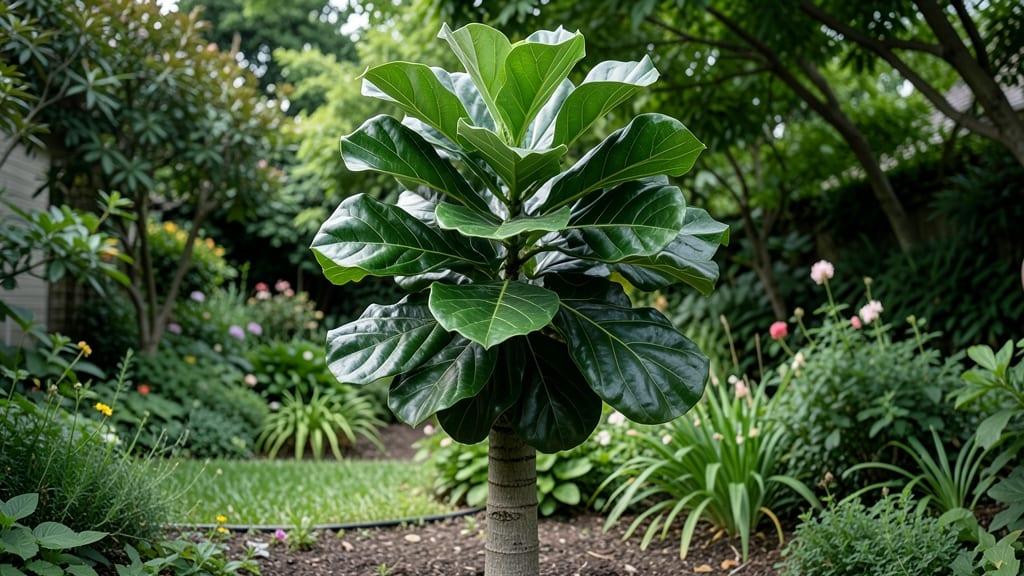
Ficus indoor plant care isn't as tricky as it seems—my rubber plant has thrived for years with just a few simple habits. 🌿 The key is understanding their natural preferences: bright, indirect light, infrequent watering, and a little patience when they drop leaves (yes, even the pros deal with that).
These glossy-leaved giants reward consistency with lush growth and air-purifying benefits that make them worth every bit of attention.
Most ficus varieties like the Ficus elastica (rubber plant) or Ficus benjamina (weeping fig) share similar needs: well-draining soil, occasional misting, and a spot near a window that gets morning sun.
The biggest mistake beginners make is overwatering—let the top inch of soil dry out between waterings, and you'll avoid root rot. A weekly wipe-down of leaves keeps them dust-free and helps them photosynthesize better, which translates to faster growth and deeper green color.
Pruning is where ficus care gets interesting—you're not just trimming dead leaves, you're shaping the plant's future. Cut back leggy stems in early spring to encourage bushier growth, and pinch back new growth to control size.
The results? A plant that stays compact, fills out beautifully, and produces new leaves faster than you'd expect. Even my black thumb can't kill these with basic care.
These plants adapt well to indoor conditions, making them perfect for offices, living rooms, or even bathrooms with good airflow. The secret to long-term success is treating them like the low-maintenance workhorses they are—give them light, space, and occasional attention, and they'll repay you with years of vibrant foliage.
Here's how to keep yours thriving all year round.
📚 In This Guide
- What you need
- Instructions
- Tips and common mistakes
- Wrapping up and next steps
What you need
- ● Ficus Plant: 1 mature or young Ficus elastica (Rubber Plant), Ficus benjamina (Weeping Fig), or similar species
- ○ Optional: Propagated cutting (if starting from scratch)
- ● Pot: 1 container with drainage holes (size depends on plant: 6-8 inches for small plants, 10-12 inches for mature ficus)
- ○ Optional: Self-watering pot or cache pot for aesthetics
- ● Potting Mix: 1 bag of well-draining mix (e.g., 50% peat/coir, 30% perlite, 20% orchid bark or a cactus/succulent blend)
- ○ Optional: Slow-release fertilizer granules (mixed into soil)
- ● Watering Supplies: 1 watering can with a narrow spout (or a spray bottle for misting)
- ○ Optional: Moisture meter (to check soil dryness)
- ● Cleaning Tools: 1 damp microfiber cloth (for dusting leaves)
- ● 1 pair of pruning shears (sterilized with rubbing alcohol)
- ● 📍 Bright, indirect light: A spot near a window (east or north-facing ideal) or under grow lights (12-14 hours/day)
- ● 🌡️ Temperature: Keep between 60–75°F (15–24°C); avoid drafts (AC, heaters)
- ● 💧 Humidity: Aim for 40–50% (use a humidifier or pebble tray if air is dry)
- ● 🚫 Avoid: Direct sunlight, cold drafts, or overwatering (ficus hate soggy roots!)
Step-by-Step ficus indoor plant care routine
Here's the simple, foolproof routine I've used for years to keep my ficus thriving indoors.
🌿 Step 1: Place in Bright, Indirect Light
Ficus plants love light but hate direct sun that burns their leaves. Position yours near an east-facing window where it gets morning sun, or about 3 feet from a south-facing window. You'll notice the leaves naturally lean toward the light—rotate the pot a quarter turn weekly to keep growth even.
If your ficus starts dropping leaves, it's usually getting too much direct sun. Move it back a foot or add a sheer curtain. In low-light spots, leaves will grow smaller and the plant may stretch toward the window—this is its way of searching for more light.
💧 Step 2: Water Only When Soil is Truly Dry
Ficus plants are drought-tolerant—water only when the top 2-3 inches of soil feel completely dry to the touch. Stick your finger in the soil; if it comes out clean, it's time to water. Overwatering is the #1 killer of indoor ficus plants, causing roots to rot and leaves to yellow.
When watering, soak the soil thoroughly until water runs out the drainage holes. Empty the saucer 10 minutes later to prevent soggy roots. In winter, you might only need to water every 3-4 weeks, while summer watering could be weekly. Watch the plant's leaves—they'll start curling at the edges when thirsty.
☀️ Step 3: Wipe Leaves Weekly for Better Growth
Dust builds up on ficus leaves quickly, blocking light and reducing photosynthesis. Use a damp microfiber cloth to gently wipe each leaf surface weekly. You'll see the leaves look instantly brighter and healthier. For larger leaves, use a leaf shine spray with a bit of water and a drop of mild dish soap.
While wiping, check the undersides of leaves for spider mites or mealybugs—common pests that love ficus plants. If you spot any, isolate the plant and treat with neem oil or insecticidal soap. Healthy leaves should feel slightly leathery to the touch and have a vibrant green color.
✂️ Step 4: Prune for Shape and Health
Prune your ficus in early spring to encourage bushier growth. Simply cut back leggy stems to just above a leaf node using clean, sharp pruning shears. You can also propagate these cuttings in water to grow new plants. Never prune more than 1/3 of the plant at once—this stresses the ficus.
Remove any yellow or brown leaves immediately with clean scissors. These leaves drain energy from the plant. After pruning, wipe down the cuts with rubbing alcohol to prevent infection. Your ficus will respond with new growth within 4-6 weeks, showing you've done the right thing.
🪴 Step 5: Fertilize Lightly During Growing Season
Feed your ficus with a balanced liquid fertilizer diluted to half strength every 4-6 weeks during spring and summer. You'll see the difference in leaf color and growth rate within a few weeks. In fall and winter, let the plant rest without fertilizer—it's not actively growing then.
Never fertilize a thirsty plant. Always water thoroughly first, then fertilize. If you notice brown leaf tips after fertilizing, flush the soil with water to remove excess salts. Healthy leaves should have a slight sheen and feel firm to the touch.
Tips & tricks for perfect ficus indoor plant care
Here's what nobody tells you about keeping your leafy friend happy and thriving.
Light Positioning: If your ficus starts leaning dramatically toward one side, it's not just growing unevenly—it's telling you it needs more light. The weekly quarter-turn rotation in Step 1 isn't just for looks; it prevents this "light-seeking" growth. Place your plant where it gets bright but indirect light for at least 6 hours daily. South-facing windows work, but east-facing is ideal for most homes.
Soil Test Technique: The finger-check method in Step 2 works, but here's the pro move: press your finger about 2 inches deep. If the soil feels like a damp sponge (not muddy, not bone dry), your ficus is happy. In winter, I test soil moisture every 5-7 days—ficus plants slow their water needs dramatically when temperatures drop. That 10-minute saucer emptying time is your safety net against root rot.
Leaf Care Secret: When wiping leaves in Step 3, don't just focus on the tops! The undersides are where pests hide and dust accumulates fastest. Use a soft toothbrush to reach between leaf veins. For extra shine, mix 1 cup water with 1 teaspoon olive oil and 1 drop dish soap—this homemade leaf shine works better than commercial sprays and costs pennies.
Pruning Payoff: That 4-6 week wait after pruning in Step 4 is worth it—you'll see new growth emerge from the nodes where you cut. Here's the trick: make your cuts at a 45-degree angle just above a leaf node. This creates a larger surface for new growth to sprout. And if you're propagating cuttings, place them in water with just the bottom node submerged—they'll root faster than you think!
Pro Tips for Ficus Indoor Plant Care
- Here's what nobody tells you about keeping your leafy friend happy and thriving.
- Light Positioning: If your ficus starts leaning dramatically toward one side, it's not just growing unevenly—it's telling you it needs more light.
- Soil Test Technique: The finger-check method in Step 2 works, but here's the pro move: press your finger about 2 inches deep.
Frequently asked questions
Got questions about keeping your ficus indoor plant thriving? You’re not alone! Here are answers to the most common concerns—from pruning to pests and everything in between.
How often should I water my ficus indoor plant?
Water your ficus when the top 1–2 inches of soil feel dry. Overwatering is the #1 killer—stick your finger in the soil to check! Most ficus varieties prefer moderate moisture but hate soggy roots. Adjust based on humidity: water less in winter, more in dry climates. Pro tip: Use a well-draining pot with drainage holes to prevent root rot.
When and how should I prune my ficus?
Prune anytime except winter (when growth slows). Trim leggy stems or yellow leaves with clean, sharp scissors just above a leaf node to encourage bushier growth. Don’t prune more than 1/3 of the plant at once—it’s a shock! Repurpose cuttings for propagation or compost.
Why are my ficus leaves dropping, and how do I fix it?
Leaf drop is usually stress-related: overwatering, underwatering, drafts, or sudden temperature changes. Check soil moisture, avoid cold windows, and keep it away from AC vents. If leaves yellow before dropping, it’s often overwatering; brown edges? Likely underwatering or low humidity. Mist leaves or use a pebble tray to boost humidity.
Can I grow a ficus from a cutting?
Take a 4–6 inch cutting with at least 2–3 leaves and dip the end in rooting hormone (optional). Plant in moist perlite or water, covering the lower half of the stem. Keep in bright, indirect light and maintain 70–75°F. Roots form in 4–8 weeks—then transplant to soil! Ficus elastica (rubber plant) roots fastest.
What pests attack ficus plants, and how do I get rid of them?
Watch for spider mites, mealybugs, or scale. Wipe leaves with neem oil or insecticidal soap (mix 1 tsp soap + 1 quart water). For stubborn infestations, spray rubbing alcohol (70% isopropyl) on pests with a cotton swab. Quarantine new plants to prevent spreading!
Is a ficus safe for pets?
Most ficus varieties are toxic to cats and dogs if ingested, causing oral irritation or vomiting. Opt for pet-safe alternatives like parlor palms or spider plants if you have furry friends. Keep ficus out of reach or train pets to avoid chewing plants. Symptoms? Call your vet ASAP.
Wrapping up and next steps
Caring for a ficus indoor plant doesn’t have to be complicated—just a little light, water, and love go a long way! 🌿 With the right balance of humidity, pruning, and occasional grooming, your leafy companion will thrive and brighten up your space effortlessly.
Now that you’re armed with expert tips, why not take the next step?
💡 Ready to level up? Try propagating a cutting or experimenting with different soil mixes to see what works best for your ficus. Happy planting—and enjoy your lush, low-maintenance green friend!