
Neem Oil
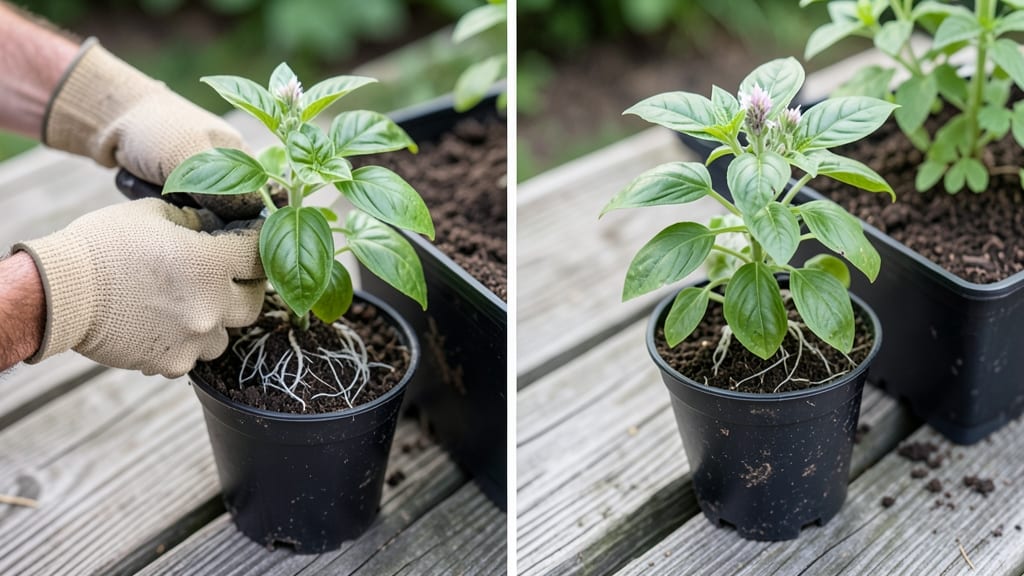
You generally shouldn't use indoor potting soil outside** because it lacks the organic matter, drainage, and nutrient balance needed for garden beds, often compacting poorly and suffocating plant roots over time. Outdoor soil requires heavier, mineral-rich mixes to support long-term growth.
Indoor potting mixes are formulated for containers where roots grow in confined spaces, so they prioritize moisture retention and lightweight texture. 🌱 Outdoor soil, however, needs to handle weather extremes, support larger root systems, and provide sustained nutrients.
The difference comes down to structure—outdoor soil contains more clay and organic debris to improve drainage while maintaining fertility, whereas potting soil stays fluffy to prevent compaction. For container gardens, you can blend potting soil with compost, but in-ground planting requires a complete soil overhaul.
If you're working with raised beds, a 50/50 mix of potting soil and native soil can help, but always test drainage first. The key is balance: too much potting soil creates a soggy mess, while too little native soil leaves plants starved for nutrients.
For best results, amend your outdoor beds with compost and perlite to mimic the benefits of potting soil without its drawbacks.
💡 In This Article
- Key Differences Between Indoor Potting Soil and Outdoor Garden Soil
- How to Safely Amend Indoor Soil for Outdoor Planting
Key differences between indoor potting soil and outdoor garden soil
Indoor potting mixes are designed for containers where roots grow in limited space, packed with 20-30% peat or coconut coir to retain moisture and 10-15% perlite/vermiculite for aeration. Outdoor garden soil, however, contains 5-10% organic matter (like decomposed leaves) but relies on 20-40% clay and sand for structure and drainage.
The clay particles in outdoor soil create tiny air pockets that improve aeration for deeper root systems, while potting soil stays lightweight to prevent compaction in pots.
The nutrient profiles also differ dramatically. Potting soil contains balanced, slow-release fertilizers (like 10-10-10 NPK) tailored for short-term plant growth, while outdoor soil relies on natural mineral decomposition over years.
For example, a bag of potting mix might provide 150-200 ppm nitrogen upfront, whereas garden soil releases nutrients gradually through microbial activity. The microbial life itself varies—potting soil has fewer beneficial bacteria because it's pasteurized to prevent disease, while outdoor soil teems with mycorrhizal fungi that help roots absorb water.
Drainage is another critical factor. Potting soil is engineered to dry out quickly in containers, preventing root rot, but this same rapid drainage makes it unsuitable for outdoor beds where moisture retention is essential.
Outdoor soil's clay content helps it hold water while still allowing excess to drain, creating a self-regulating moisture balance.
For instance, a 1-gallon container of potting soil may dry out in 3-5 days under normal conditions, while outdoor soil in a raised bed might stay moist for 1-2 weeks after rain.
Texture plays a role too. Potting soil feels light and fluffy—almost like crumbled styrofoam—whereas garden soil has a heavier, grainier texture due to mineral particles.
This difference affects how plants establish roots: container plants develop shallow, dense root systems, while outdoor plants grow deep, spreading roots that need the structural support of clay and sand. 🌿 For example, tomatoes planted in pure potting soil may struggle to anchor themselves in windy conditions, whereas the same plants in amended garden soil develop robust root networks.
One exception is sandy or highly porous outdoor soil, which can sometimes benefit from a potting soil amendment. In such cases, mixing 20-30% potting soil with native soil improves moisture retention without causing compaction.
However, this approach works best for annuals or shallow-rooted plants rather than perennials or trees that need deep, nutrient-rich soil over time.
The bottom line? Outdoor soil must handle weather extremes, foot traffic, and long-term nutrient cycling—tasks potting soil simply wasn't built for.
While you can use potting soil in containers or for small raised beds, larger garden areas require a soil blend that balances organic matter, minerals, and microbial life for sustained plant health.