
Succulent
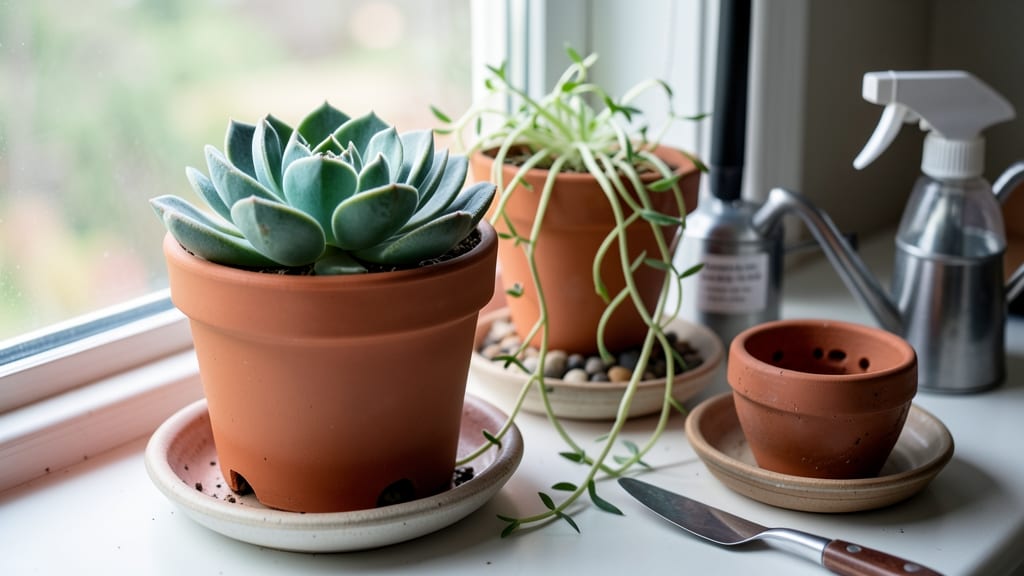
Succulents can grow indoors successfully when given bright indirect light, fast-draining soil, and infrequent watering—top performers include jade plants, snake plants, and Haworthia, which handle dimmer conditions and compact spaces better than most varieties.
Indoor growing isn't just possible—it's a thriving trend for plant lovers with limited outdoor space. 🌱 The key lies in selecting varieties that naturally tolerate lower light levels, like snake plants (which survive in near darkness) or Haworthia (which stores water efficiently).
I've seen these plants flourish in offices with just a south-facing window, proving that even minimal light can work with the right species. The secret sauce? Using a gritty soil mix with perlite or pumice to prevent rot, and watering only when the soil feels completely dry to the touch.
Don't let common myths fool you—many succulents don't need scorching desert conditions. For example, ZZ plants (a popular indoor variety) can handle fluorescent lighting, while echeverias prefer bright spots near windows. The real challenge is avoiding overwatering; most indoor succulents prefer drought conditions over soggy soil.
I recommend grouping plants together to create a microclimate that retains just enough humidity without drowning their roots.
💡 In This Article
- Best Indoor Succulents for Low-Light and Small Spaces
- Indoor Succulent Care: Light, Water, and Soil Essentials
Best indoor succulents for low-light and small spaces
The secret to successful indoor succulent growth starts with selecting the right species.
Unlike their desert-dwelling cousins, certain varieties have evolved to handle lower light conditions and tighter spaces. Snake plants (Sansevieria) are absolute champions—they can survive in rooms with as little as 100-200 foot-candles of light (about what you'd get from a standard desk lamp), making them perfect for offices or north-facing windows.
Their vertical growth habit also makes them ideal for small spaces, where they can reach 2-4 feet tall while only needing 12-18 inches of width.
For those with even dimmer conditions, ZZ plants (Zamioculcas zamiifolia) are the ultimate survivors. These thrive in 50-100 foot-candles of light and can even tolerate fluorescent lighting.
Their glossy, dark green leaves store water in thick stems, allowing them to go 4-6 weeks without water—a boon for forgetful plant parents. The trade-off?
They grow slower than sun-loving varieties, reaching only 2-3 feet tall indoors. Haworthia varieties offer another great option, with their compact rosettes (often under 6 inches wide) and tolerance for indirect light.
What sets these indoor varieties apart is their ability to adapt their metabolic processes. Unlike outdoor succulents that close their stomata (pores) during the day to conserve water, indoor types often keep theirs open longer to maximize limited light absorption.
This is why jade plants (Crassula ovata) can still thrive near east-facing windows—their leaves remain slightly plump even with reduced sunlight, unlike outdoor jades that might pucker in similar conditions.
The key difference lies in their photosynthetic efficiency: indoor varieties have evolved to make the most of lower light levels.
Size matters too—look for varieties labeled as "compact" or "dwarf." Echeverias, for example, often stay under 4 inches tall in containers, while string of pearls (Senecio rowleyanus) trail beautifully from hanging pots, creating vertical interest without taking up floor space.
These smaller varieties also require less soil volume, meaning you can grow multiple plants in a single 6-inch pot without overcrowding. The trade-off? Some may need supplemental grow lights to maintain their vibrant colors.
Visual cues help identify the best candidates: look for plants with thicker leaves or stems (better water storage) and darker green or bluish hues (often indicates higher water retention).
Avoid varieties with very thin leaves or bright, pastel colors—these typically need more intense light to prevent sunburn or revert to wild-type colors. For example, a variegated echeveria might lose its creamy edges in low light, while a solid green version will maintain its form.
Pro tip: Group your indoor succulents by their light needs. Place snake plants and ZZ plants in the dimmest corners, while echeverias and haworthias can handle slightly brighter spots like bookshelves near windows.
Rotate pots every 4-6 weeks to ensure even growth—indoor light often comes from one direction, causing plants to lean toward the light source. 🌿