
Tools
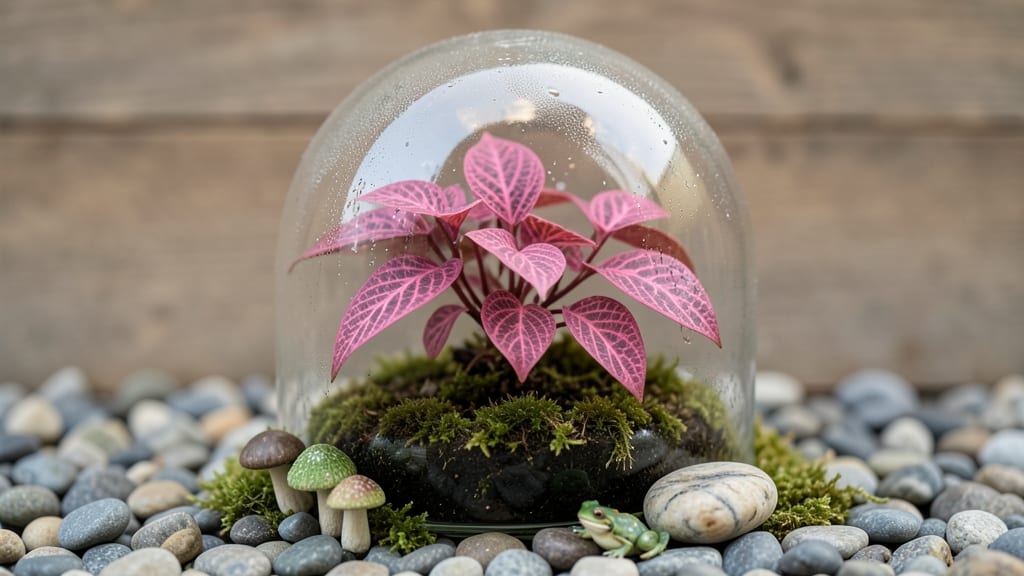
Creating an indoor miniature garden lets you bring nature's calm indoors—no sunlight required. ✨ I've designed tiny oases in apartments with just windowsills and grow lights, turning forgotten corners into lush, self-contained worlds that hum with life year-round.
The magic lies in choosing the right plants and containers. Miniature succulents, delicate ferns, and moss thrive in compact spaces, while terrariums or fairy garden shelves create the perfect microclimate.
A simple LED grow light (even a 6-inch one) can replace sunlight, and a humidity tray keeps air moist without overwatering.
Imagine a Zen bamboo garden with smooth stones, a tropical fairy village with tiny mushrooms, or a whimsical succulent arrangement in a glass cloche. These tiny ecosystems stay green, need minimal care, and fit anywhere—a desk, shelf, or even a hanging macramé holder.
Start small with one container, experiment with textures, and let your space reflect your personality. The first time you see new growth in your miniature world, you'll understand why these tiny gardens capture hearts everywhere.
📚 In This Guide
- What you need
- Instructions
- Tips and common mistakes
- Wrapping up and next steps
What you need
- ● Miniature plants: 3–5 small, low-light-tolerant varieties (e.g., Peperomia, Pothos, or Fittonia).
- ● Container: 1 shallow tray (12"x6") or 3–5 small pots (2–4" diameter) with drainage holes.
- ● Growing medium: 2–3 cups of well-draining cactus/succulent mix or potting soil with perlite.
- ● Light source: 1 LED grow light (10W–20W) or a sunny windowsill (south/west-facing).
- ● Watering can or spray bottle: 1 (small size for precision).
- ● Fertilizer: 1 bottle of balanced liquid fertilizer (5-5-5 or 10-10-10).
- ● Trowel or spoon: 1 (for planting).
- ● Gravel or decorative stones: ½ cup (for drainage/decor).
- ○ Moss or pebbles: Optional (for aesthetic appeal).
- ● Humidity tray: 1 (if using tropical plants).
- ○ Decorative accents: Miniature figurines, fairy lights, or terrarium glass (optional).
Step-by-step instructions for creating your indoor miniature garden
Here's how to craft a thriving miniature ecosystem that blooms indoors without relying on direct sunlight.
🪴 Step 1: Select and Prepare Your Containers
Choose shallow containers with drainage—think 4-6 inch wide trays or repurposed dishes with holes drilled in the bottom. I like using glass terrariums for their self-contained ecosystems, but plastic or ceramic works too. Clean containers thoroughly with 1 part vinegar to 3 parts water to remove any residues that could inhibit growth.
Line the bottom with 1-2 inches of small pebbles or activated charcoal to create a drainage layer. This prevents root rot by keeping moisture from pooling at the base. For glass containers, add a thin layer of sphagnum moss over the pebbles—it helps retain moisture while allowing airflow. Here's the thing: the right base layer makes all the difference in preventing mold and keeping roots healthy.
🌱 Step 2: Layer Soil and Plant Miniature Specimens
Use a lightweight, well-draining potting mix designed for succulents or air plants. Press it gently into the container, leaving about ½ inch from the rim for watering. For a 4-inch container, you'll need roughly 1 cup of soil—just enough to cover the base layer without compacting it.
Select plants suited for low light, like fittonia, peperomia, or miniature ferns. Place them in the soil, spacing them 1-2 inches apart to mimic natural growth patterns. I like to arrange them in odd-number groupings—it creates visual balance. Press the soil lightly around the roots to secure them without packing it down too tightly.
☀️ Step 3: Optimize Light and Humidity
Place your miniature garden in bright, indirect light—think 10-15 feet from a south-facing window or under a grow light on a 12-hour cycle. Avoid direct sunlight, which can scorch delicate leaves. If using a grow light, position it 6-12 inches above the plants and adjust as they grow.
Mist the plants lightly with room-temperature water to create humidity, but avoid soggy soil. For enclosed containers like terrariums, misting once a week is often enough—condensation inside will handle the rest. Watch for yellowing leaves or wilting, which signals overwatering or insufficient humidity. This is the moment that matters: balance is everything in a miniature ecosystem.
💧 Step 4: Water and Maintain With Precision
Water only when the top inch of soil feels dry—use a spray bottle or small watering can to avoid disturbing the plants. For open containers, water at the base; for enclosed ones, mist the air instead. I like to water in the morning so excess moisture can evaporate during the day.
Fertilize lightly every 4-6 weeks with a diluted liquid fertilizer (half-strength). Overfeeding can burn delicate roots, so less is more. Wipe leaves gently with a damp cloth monthly to remove dust—this helps them absorb light efficiently. Real talk: most miniature gardens fail from overwatering or poor light, not neglect.
✂️ Step 5: Prune and Refresh Seasonally
Trim leggy growth or yellowing leaves with clean scissors to encourage bushier growth. Remove any dead foliage immediately to prevent mold. Every 3-4 months, refresh the top layer of soil—just ¼ inch is enough to replenish nutrients without disturbing the roots.
Rotate the container a quarter turn weekly so all sides get even light exposure. This prevents plants from leaning toward the light source. If a plant outgrows its space, repot it into a slightly larger container with fresh soil. Here's what I do: I keep a small notebook to track growth patterns and adjustments—it helps me fine-tune care over time.
Tips & tricks for perfect indoor miniature gardens
Creating a thriving miniature garden indoors requires attention to detail—here's how to avoid common pitfalls and elevate your tiny oasis.
Container Selection Wisdom: Glass terrariums create self-sustaining ecosystems thanks to their sealed environment, but if using open containers, prioritize those with drainage holes to prevent root rot. I've found that repurposed ceramic dishes with drilled holes work beautifully—just ensure the holes are small enough to retain soil while allowing excess water to escape. For containers without built-in drainage, create a false bottom using a layer of chicken wire or plastic mesh before adding your pebble layer.
Soil Layering Strategy: When adding your 1 cup of lightweight potting mix for a 4-inch container, press it gently but firmly to eliminate air pockets while avoiding compaction. I like to sift the soil through a fine mesh strainer first—this creates a fluffier texture that mimics natural forest floor conditions. For containers without sphagnum moss, consider adding a thin layer of orchid bark to improve aeration, especially if your plants are moisture-sensitive.
Light Optimization Technique: The 10-15 feet distance from a south-facing window is ideal, but if you're working with north-facing windows, supplement with a 12-hour grow light cycle positioned 6-12 inches above your plants. I've noticed that LED grow lights with full-spectrum bulbs work exceptionally well—they mimic natural sunlight without generating excessive heat. For maximum efficiency, place your garden on a rotating tray (like a lazy Susan) to ensure even light exposure all around.
Watering Precision: The "top inch dry" rule is your best friend, but I've learned to adjust this based on container type. For enclosed terrariums, you might only need to mist every 2-3 weeks—the condensation inside handles most of the humidity needs. With open containers, stick to the weekly check but reduce to every 10-14 days in winter when evaporation slows. Always water in the morning to prevent fungal growth from prolonged moisture on leaves during cooler evening hours.
Pro Tips for Indoor Miniature Garden
- Creating a thriving miniature garden indoors requires attention to detail—here's how to avoid common pitfalls and elevate your tiny oasis.
- Container Selection Wisdom: Glass terrariums create self-sustaining ecosystems thanks to their sealed environment, but if using open containers, prioritize those with drainage holes to prevent root rot.
- Soil Layering Strategy: When adding your 1 cup of lightweight potting mix for a 4-inch container, press it gently but firmly to eliminate air pockets while avoiding compaction.
Frequently asked questions
Got questions about creating your own indoor miniature garden? You’re not alone! Here are some of the most common concerns—and their easy solutions—to help you grow with confidence.
What’s the best lighting for an indoor miniature garden without sunlight?
Use LED grow lights (12-16 hours/day) or a sunny windowsill (south-facing is ideal). Skip fluorescent bulbs—they’re too weak. For zero sunlight, opt for full-spectrum LEDs (like the Barrina T5) for consistent growth.
How long does it take to see results in a miniature garden?
Most plants show signs of growth in 2–4 weeks (e.g., new leaves, height). Succulents and mosses are fastest (1–2 weeks), while ferns or ivy may take 3–6 weeks. Patience pays off—tiny gardens grow slowly but steadily!
Are there affordable alternatives to fancy grow lights?
Yes! Try:
- Reflective surfaces: Place your garden on a white tray or under a foil-lined box to amplify natural light.
- DIY light hack: Hang a cheap LED bulb (6000K color temp) 6–12 inches above your plants.
- Rotating spots: Move plants near windows daily to ensure even exposure.
How do I keep pests out of my tiny garden?
Prevent pests with regular checks (wipe leaves with neem oil or soapy water weekly). Common culprits:
- Fungus gnats: Let soil dry slightly between waterings.
- Spider mites: Mist plants daily to boost humidity.
- Mold: Use a well-ventilated container (e.g., terracotta pots).
Can I use regular potting soil for a miniature garden?
Nope!
Miniature gardens need lightweight, fast-draining mixes. Try:
- Cactus/succulent soil + perlite (50/50 ratio).
- Peat moss + sand (for moisture control).
- Pre-made “fairy garden soil” (e.g., FoxFarm Mini Garden Soil).
Wrapping up and next steps
Creating an indoor miniature garden is more than just a hobby—it’s a rewarding way to bring nature indoors, no matter the season or sunlight! 🌱 With the right materials and a little creativity, you can cultivate a thriving tiny oasis that purifies the air, boosts your mood, and adds beauty to any space.
Whether you’re a beginner or a seasoned green thumb, the key is to start small, stay consistent, and enjoy the process.
Ready to dive in? Pick your favorite plants, gather your supplies, and let your imagination grow! Your perfect miniature garden awaits—just take that first step today. 🌿✨