
Pruning
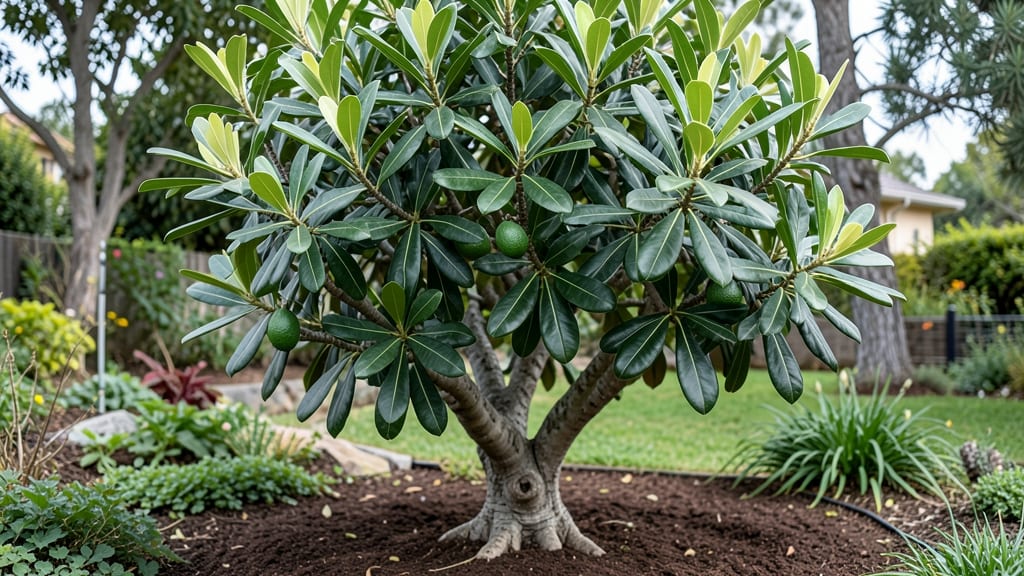
Growing an avocado tree indoors from seed feels like nurturing a tiny jungle in your kitchen. 🌱 The secret to bushier growth starts with pruning—not just cutting branches, but shaping the plant's future. I've learned that strategic pruning turns leggy stems into lush, leafy canopies that thrive year-round.
You'll need basic tools: sharp pruning shears, a clean cutting surface, and a little patience. The right timing matters too—prune right after the tree sprouts new leaves, and avoid heavy cuts during dormancy.
My first attempt looked like a failed experiment until I discovered the "pinch and wait" method for young trees.
What you'll end up with is a compact, productive tree that produces fruit indoors with proper care. The foliage stays dense, the branches grow stronger, and you avoid that sad, bare-stem look that kills the vibe. Even advanced gardeners rediscover joy in this simple technique.
Works for any indoor space with decent light, from sunny windowsills to grow lights. The key is consistency—small cuts now mean a fuller tree later. Let's make that avocado seed grow into something amazing.
📚 In This Guide
- What you need
- Instructions
- Tips and common mistakes
- Wrapping up and next steps
What you need
- ● Avocado pit: 1 fresh, organic avocado pit (preferably Hass variety) with a bit of the fruit still attached.
- ● Water: Filtered or distilled water (avoid tap water with high chlorine levels).
- ● Glass or jar: A clean, clear container (8–16 oz) with a wide mouth for easy access.
- ● Toothpicks or skewers: 3–4 toothpicks to suspend the pit without submerging it.
- ● Well-draining potting soil: A mix of cactus/succulent soil (60%) and perlite or coarse sand (40%) for aeration.
- ● Pot: A 6–8-inch diameter pot with drainage holes (terracotta or ceramic works best).
- ● Pruning shears: Sharp, sterilized shears (or clean scissors) for trimming.
- ○ Rooting hormone (optional): A gel or powder to encourage root growth during transplanting.
- ● Spray bottle: For misting leaves (avocado trees love humidity!).
- ○ Grow lights (optional): A full-spectrum LED grow light (12–16 hrs/day) if natural light is limited.
- ○ Humidity tray (optional): A pebble tray with water to boost moisture levels.
- ● Fertilizer: A balanced, water-soluble fertilizer (5-5-5 or 10-10-10) diluted to half-strength.
- ○ Pruning guide (optional): A ruler or measuring tape for tracking growth and spacing cuts.
Step-by-Step guide to pruning your avocado tree for bushier growth
Here's how to coax a fuller, healthier avocado tree from a single stem—no green thumb required.
🌱 Step 1: Identify the Right Time to Prune
Prune your avocado tree in early spring when new growth begins, or after flowering but before fruit sets. This timing ensures you're shaping the tree while it's actively growing but before it diverts energy to fruit production. Avoid pruning in winter when the tree is dormant, or in summer when heat stress makes recovery harder.
Look for healthy, mature branches—these are the ones you'll work with. Young, soft growth should stay untouched. If your tree has never been pruned, start by removing any dead, broken, or crossing branches first. These are easy to spot: they're brown, brittle, or growing inward toward the center of the plant.
✂️ Step 2: Choose the Right Tools and Make Clean Cuts
Use sharp, clean pruning shears for branches under ½ inch thick, and a pruning saw for thicker stems. Sterilize your tools with rubbing alcohol before you start—this prevents spreading disease between cuts. I always make cuts at a 45-degree angle, just above a leaf node or outward-facing bud. This encourages new growth in the right direction.
Never leave stubs—cut back to the exact spot where the branch meets the trunk or another branch. If you're unsure where to cut, look for the small bump where a leaf or branch used to grow. This is your target spot. The cleaner the cut, the faster the tree heals and grows new branches.
🌿 Step 3: Prune to Encourage Bushier Growth
Start by removing any vertical "water sprouts" or branches growing straight up from the main stem. These compete with your desired shape and weaken the tree. Next, trim back the top of the main stem by about ⅓ to encourage lateral branching. This is where the magic happens—the tree will respond by sending out multiple side branches instead of growing taller.
For established trees, focus on thinning out crowded branches to improve airflow. Remove branches that rub against each other or grow inward. Aim to create an open, rounded shape with branches spaced evenly around the trunk. You'll see new growth emerging from the sides within 4-6 weeks—this is your reward for pruning correctly.
☀️ Step 4: Post-Pruning Care for Healthy Recovery
After pruning, give your avocado tree a balanced fertilizer to support new growth. I use a 10-10-10 formula every 6-8 weeks during the growing season. Water deeply right after pruning to help the tree recover, but avoid overwatering—avocado trees hate soggy roots. Keep the soil lightly moist but never waterlogged.
Place your tree in a spot with bright, indirect light for the first few weeks after pruning. Direct sunlight can stress newly cut branches. If you notice any yellowing leaves or wilting, adjust the light or watering immediately. With proper care, your tree should show signs of new growth within 2-3 weeks, and you'll have a bushier, more productive avocado tree by next season.
⏰ Step 5: Maintain Your Pruned Tree Year-Round
Continue pruning lightly throughout the year to maintain shape and encourage new growth. In late summer, do a quick check for any branches that need trimming to keep the tree balanced. Regular pruning prevents the tree from becoming top-heavy and keeps it manageable indoors.
Here's the thing—avocado trees respond best to gradual pruning. Never remove more than ⅓ of the tree's foliage in one session. If you see your tree struggling after pruning, it might be overpruned. In that case, hold off on further cuts until you see new growth. Patience is key—your tree will thank you with lush, bushy branches and maybe even fruit someday!
Tips & tricks for pruning avocado trees indoors
These simple secrets will help you transform a leggy avocado tree into a lush, bushy indoor beauty.
Timing is Everything: The early spring timing mentioned in Step 1 is non-negotiable for best results. I've learned this the hard way—pruning in late winter can shock the tree, while waiting until summer means you're cutting growth that could have become fruit. If you miss the spring window, wait until after flowering when the tree has already allocated energy to leaves rather than fruit.
The 45-Degree Cut Secret: That 45-degree angle in Step 2 isn't just about looks—it prevents water from pooling in the cut, which can cause rot. Think of it like creating a tiny roof that sheds water away from the wound. For thicker branches, make the angle more pronounced to create a natural water-shedding surface. This small detail makes all the difference in how quickly your tree recovers.
Visual Growth Cues: When you're trimming back the main stem by ⅓ in Step 3, look for the first set of leaves after your cut. This is your growth reference point—the new branches should emerge just above this spot. If you see new growth starting lower, you've cut too far back. The tree will tell you exactly where it wants to grow if you pay attention to these visual cues.
Light Adjustment Strategy: After pruning, that bright indirect light requirement in Step 4 is crucial for recovery. I place my tree near an east-facing window where it gets morning sun but avoids harsh afternoon rays. If your space only has south or west light, use sheer curtains to diffuse the intensity. Yellowing leaves after pruning often mean too much direct light—move the tree back a foot or two immediately.
Pro Tips for Avocado Tree Indoors
- These simple secrets will help you transform a leggy avocado tree into a lush, bushy indoor beauty.
- Timing is Everything: The early spring timing mentioned in Step 1 is non-negotiable for best results.
- The 45-Degree Cut Secret: That 45-degree angle in Step 2 isn't just about looks—it prevents water from pooling in the cut, which can cause rot.
Frequently asked questions
Got questions about growing an avocado tree indoors?
Here are answers to the most common ones—so you can keep your leafy friend thriving!
How often should I prune my indoor avocado tree for bushier growth?
Prune your avocado tree every 4–6 weeks during its active growing season (spring and summer). Focus on trimming back the topmost leaves to encourage lateral branching. Avoid heavy pruning in winter, as the tree enters dormancy. Pro tip: Use sharp, clean shears to prevent disease!
Can I grow an avocado tree indoors from a pit I’ve had for months?
Yes, but act fast! Soak the pit in water for 2–5 days to speed up germination. Plant it in well-draining soil, keeping it moist but not soggy. Patience is key—some pits take weeks to months to sprout. If it’s been over a year, it may have lost viability.
Why are my indoor avocado tree’s leaves turning yellow?
Yellow leaves usually signal overwatering or nutrient deficiency. Check the soil—it should be slightly dry between waterings. Feed your tree with a balanced fertilizer (like 10-10-10) every 2–3 months. Brown edges? It might be low humidity—mist leaves or use a pebble tray!
Is it possible to grow an avocado tree indoors without fruit?
Indoor avocado trees (Persea americana) rarely bear fruit because they need cross-pollination and specific light/temperature conditions (like outdoor trees). Focus on bushy growth and lush foliage instead—it’s still a stunning, low-maintenance houseplant!
What’s the best alternative if my avocado tree isn’t thriving indoors?
Try these low-light, easy-care alternatives:
- Money Tree (Pachira aquatica) – Hardy and great for beginners.
- Rubber Plant (Ficus elastica) – Thrives in indirect light and tolerates pruning.
- Dwarf Citrus (Citrus varieties) – Can produce fruit indoors with proper care!
Wrapping up and next steps
Growing a lush, bushy avocado tree indoors is totally within your reach—with the right pruning techniques and a little patience! 🌱 By mastering selective trimming, light optimization, and consistent care, you’ll encourage vibrant growth and a fuller canopy.
Remember, every snip is a step toward a thriving plant, so don’t hesitate to roll up your sleeves and get hands-on.
Ready to see your avocado tree flourish? Start by observing its growth this week—identify any leggy branches or overcrowded spots—and plan your next pruning session. Happy gardening! 🌿✨