
Size
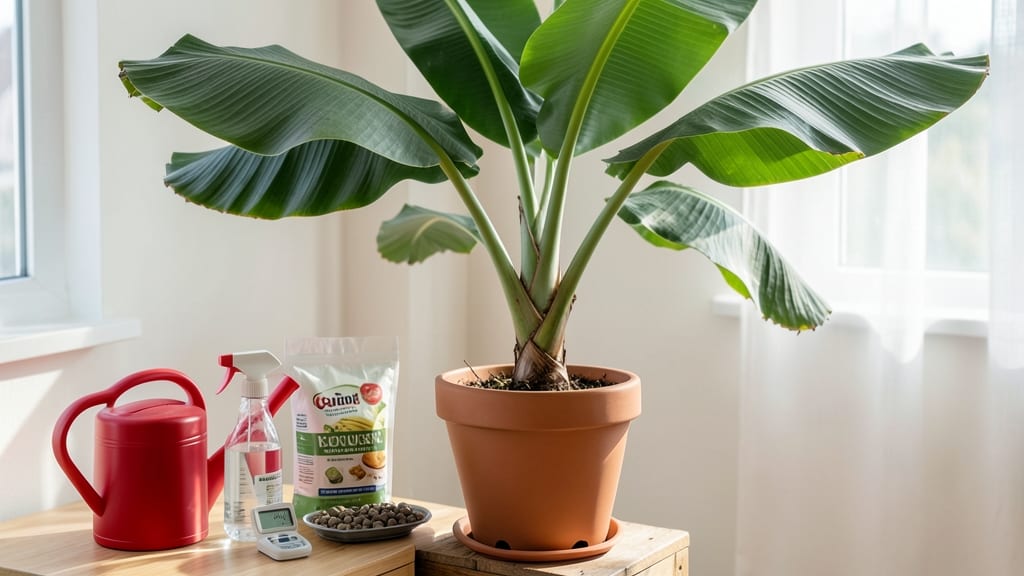
Growing a banana plant indoors brings jungle vibes to your living room—without needing a greenhouse. 🌿 I’ve watched mine grow from a 6-inch pup to nearly 7 feet tall in just 18 months, and it’s become the conversation starter of my home.
The key isn’t luck; it’s recreating its tropical habitat indoors with the right light, warmth, and care. You’ll need a large container (at least 15 gallons), well-draining soil mixed with compost, and a sunny spot near a south- or west-facing window.
Dwarf Cavendish varieties are perfect for beginners—they stay manageable indoors and produce small, edible fruit. Just avoid drafts, and keep the soil consistently moist (but not soggy).
By summer, you’ll see bold, glossy leaves unfurling, and within a year, you might even get a few tiny bananas (though they won’t ripen fully indoors). The real magic? That lush, tropical feel all year round, even in winter.
With a few adjustments, your banana plant will thrive like it’s in its natural habitat. Here’s the trick: humidity is everything. A pebble tray under the pot or a humidifier nearby keeps the air just right. And if the leaves start yellowing?
It’s usually overwatering or poor drainage—fix that, and your plant will bounce back faster than you think.
📚 In This Guide
- What you need
- Instructions
- Tips and common mistakes
- Wrapping up and next steps
What you need
- ● Banana plant: A Musa variety like Musa acuminata or Musa balbisiana (dwarf varieties work best for indoor growing). Look for a healthy, potted plant from a nursery or online supplier.
- ● Container: A large pot (12–18 inches in diameter) with drainage holes. Opt for terracotta or ceramic to prevent root rot.
- ● Potting mix: A well-draining blend of 60% peat or coconut coir, 30% perlite or pumice, and 10% compost. Avoid heavy garden soil.
- ● Drainage tray: A shallow tray to catch excess water and prevent messes.
- ● Fertilizer: A balanced liquid fertilizer (10-10-10 or 20-20-20) or organic options like fish emulsion or banana peel tea.
- ● Pruning shears: For trimming dead leaves or overgrowth.
- ● Humidifier or pebble tray: To maintain humidity levels (banana plants love it!).
- ● Grow lights: If natural light is limited, a full-spectrum LED grow light (12–16 hours/day) keeps your plant happy.
- ○ Mulch (optional): A layer of pine bark or straw to retain moisture and regulate soil temperature.
Step-by-step instructions for growing a banana plant indoors
Here's how to coax a towering tropical plant indoors—no greenhouse needed.
🪴 Step 1: Choose the Right Pot and Drainage
Start with a pot that's at least 12 inches wide and deep—banana plants need room for their sprawling roots. I recommend terracotta because it breathes and prevents root rot, but plastic works too if you drill extra drainage holes. Place a layer of 2-3 inches of pebbles or broken pottery at the bottom to improve drainage and prevent soggy soil.
Banana plants hate wet feet, so never skip drainage. If your pot has only one small hole, add a second one on the opposite side. The goal is to let excess water escape quickly while keeping the plant stable. A saucer under the pot catches runoff, but empty it after 10 minutes to avoid root suffocation.
🌱 Step 2: Plant Your Banana and Prepare the Soil
Dig a hole in the soil that's just deep enough to bury the base of the plant's stem—about 1-2 inches below soil level. Gently loosen the roots if they're tightly bound in a nursery pot. I like to add a handful of orchid bark or coconut coir to the soil mix for better aeration, since banana plants need well-draining, slightly acidic soil.
Fill the hole with soil and press lightly around the base to secure the plant. Don't pack it too tightly—you want air pockets for those hungry roots. Water thoroughly until water runs out the drainage holes, then let the plant sit for a day before moving it to its final spot. This helps the soil settle and prevents transplant shock.
☀️ Step 3: Position for Maximum Light
Banana plants crave bright, indirect light—think of it as a sunbathing tropical queen who burns easily. A south- or west-facing window is ideal, but avoid harsh afternoon sun that can scorch leaves. If your space is low-light, supplement with a grow light positioned 12-18 inches away for 12-14 hours daily.
Rotate the pot a quarter turn weekly so the plant grows evenly. You'll notice leaves leaning toward the light? That's your cue to move it closer or add a brighter light source. Yellowing leaves mean it's getting too much direct sun—immediately shift it to a shadier spot.
💧 Step 4: Water and Feed for Rapid Growth
Keep the soil consistently moist but never soggy—banana plants drink heavily but can't handle waterlogged roots. Water when the top 2 inches of soil feel dry to the touch, using room-temperature water to avoid shocking the roots. In summer, you might water every 2-3 days; in winter, every 5-7 days.
Feed your banana plant monthly with a balanced liquid fertilizer (like 10-10-10) during spring and summer. I dilute it to half-strength to avoid burning the roots. In fall and winter, cut back to every 6-8 weeks—the plant's growth slows naturally. Over-fertilizing leads to salt buildup, which shows up as brown leaf tips.
✂️ Step 5: Prune and Maintain Year-Round
Remove any yellow or brown leaves at the base with clean, sharp scissors—this keeps the plant's energy focused on new growth. If your banana plant grows leggy or develops long, bare stems, trim back 1/3 of the top growth** to encourage bushier growth. This is especially helpful if your plant isn't getting enough light.
Watch for pests like spider mites or mealybugs, which love the sap of banana plants. Wipe leaves with a damp cloth weekly to remove dust and deter pests. If you spot pests, treat with neem oil or insecticidal soap. A healthy banana plant will reward you with new leaves and, in ideal conditions, even flower stalks indoors!
Tips & tricks for growing a banana plant indoors
These simple strategies will help your indoor banana plant thrive like a tropical showstopper.
Drainage is Non-Negotiable: The 10-minute rule for emptying saucers after watering is crucial—banana roots rot faster than you'd think. If you notice water pooling at the bottom of the pot after 10 minutes, your drainage isn't working properly. Consider adding a third drainage hole if your pot feels too stable with just two. I've seen plants recover from overwatering, but never from root rot.
Light Positioning Secrets: That 12-14 hours of grow light isn't just about duration—placement matters just as much. Position your grow light so the leaves are just brushing against it, not touching. I like to use a small clip-on light that I can easily adjust as the plant grows. Watch for leaves that turn yellow on the edges—this is your plant's way of saying "too much sun" or "not enough light."
Soil Mix Upgrade: While regular potting soil works, I've found that mixing in 20% perlite or orchid bark creates the perfect airy environment banana roots love. This prevents that compacted, waterlogged feeling that leads to root suffocation. The extra aeration helps those sprawling roots breathe while still holding enough moisture for thirsty tropical plants.
Fertilizer Timing: The monthly feeding schedule during spring/summer is perfect, but here's a pro move: alternate between liquid fertilizer and a slow-release granular fertilizer every other month. This gives your plant a steady nutrient supply without risking salt buildup from too much liquid. I always fertilize after watering—this prevents root burn from concentrated fertilizer.
Pro Tips for Grow A Banana Plant Indoors
- These simple strategies will help your indoor banana plant thrive like a tropical showstopper.
- Drainage is Non-Negotiable: The 10-minute rule for emptying saucers after watering is crucial—banana roots rot faster than you'd think.
- Light Positioning Secrets: That 12-14 hours of grow light isn't just about duration—placement matters just as much.
Frequently asked questions
Got questions about growing bananas indoors?
You’re not alone—this tropical plant has quirks! Below, we’ve rounded up the most common FAQs to help you troubleshoot, optimize, and enjoy your banana plant’s growth.
How fast will my indoor banana plant grow?
Indoor banana plants grow slowly compared to outdoor varieties—expect 6–12 inches per year under ideal conditions (bright light, warmth, and humidity). Patience is key! With proper care, you might see a 6-foot plant in 3–5 years.
Can I grow bananas indoors year-round?
Yes! Banana plants thrive indoors as long as you maintain warmth (65–85°F), humidity (50%+), and bright, indirect light. Avoid drafts (like AC vents) and supplement with grow lights in winter if natural light fades. Just skip expecting fruit—indoor plants focus on leafy growth.
Will my indoor banana plant ever produce fruit?
Unlikely! Indoor banana plants (Musa spp.) rarely fruit because they need large spaces, specific pollination, and tropical climates to bloom. Focus on their stunning foliage instead. For fruit, consider dwarf varieties like Musa acuminata ‘Dwarf Cavendish’ or grow outdoors in zones 10–12.
Why are my banana plant’s leaves turning yellow?
Yellow leaves usually signal overwatering, poor drainage, or nutrient deficiency. Check soil moisture—it should dry 1–2 inches deep between waterings. Repot in well-draining mix (cactus/succulent blend) and fertilize monthly with banana-friendly food (high potassium).
What’s the best indoor location for a banana plant?
Place your plant near a south- or west-facing window for bright, indirect light. Avoid harsh direct sun (it burns leaves). If natural light is limited, use a grow light 6–12 inches above the plant for 12–14 hours daily. Rotate the pot monthly for even growth!
How cold can my banana plant tolerate indoors?
Banana plants hate cold drafts—keep them above 55°F (13°C). Below 50°F (10°C), leaves may blacken or drop. Use a space heater near the plant in winter or move it to a warmer room (like a sunroom). Avoid AC vents or open windows!
Wrapping up and next steps
Growing a banana plant indoors is a rewarding adventure that brings a touch of the tropics to your home—no greenhouse required! 🌿 With the right light, care, and patience, you’ll enjoy lush foliage, fragrant blooms, and the satisfaction of nurturing a plant that thrives in small spaces.
Whether you’re a beginner or a seasoned plant parent, this guide makes it simple to cultivate your own mini banana paradise.
Ready to take the next step? Start with one plant and experiment with different care techniques to see what works best in your home. Share your progress with fellow plant lovers—your indoor jungle might just inspire others to grow their own!