
Planting
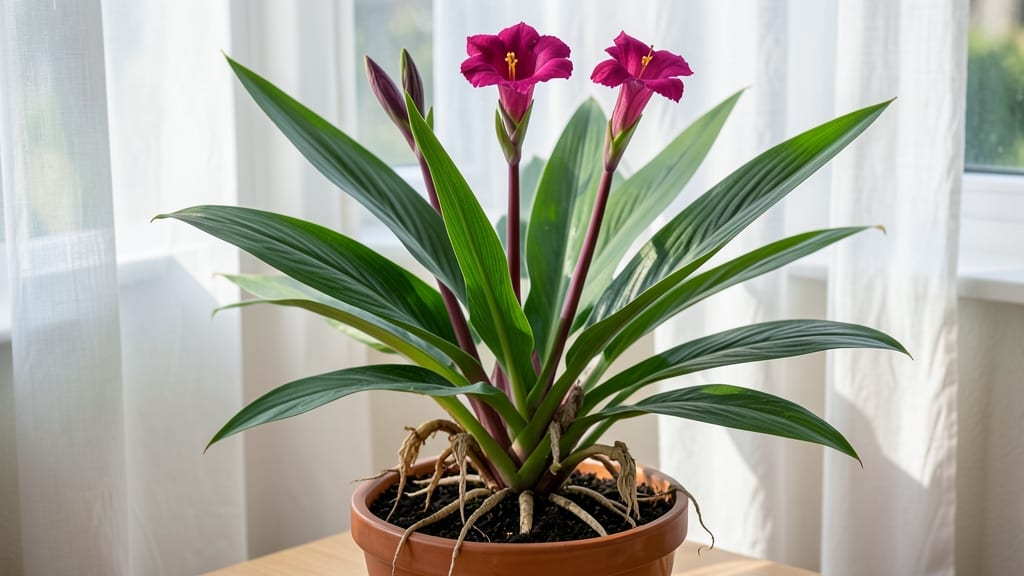
Growing canna plants indoors transforms your space with bold foliage that thrives where other plants struggle. 🌿 I've kept mine alive in my dim living room for years by mimicking their natural tropical habitat—bright indirect light, high humidity, and rich soil.
The secret isn't complicated: these plants want warmth and moisture, not direct sun or dry air.
You'll need a 12-inch pot with drainage, well-draining potting mix, and a spot within 3-5 feet of a window. Cannas tolerate lower light than you'd expect, but their leaves will be most vibrant near east or west-facing windows.
Keep the soil consistently moist but never soggy—these plants drink water like it's their job, especially in dry indoor air.
What you end up with is lush, tropical-looking foliage that grows taller than most houseplants, reaching 3-5 feet indoors. The deep green leaves with striking veins create a dramatic focal point, and with proper care, they'll reward you with occasional summer-like blooms even inside.
For those worried about space or humidity, don't stress—cannas adapt well to indoor conditions. Just rotate the pot occasionally for even growth and watch as your plant becomes the showstopper of your home. Here's how to keep it thriving all season long.
📚 In This Guide
- What you need
- Instructions
- Tips and common mistakes
- Wrapping up and next steps
What you need
- ● Canna Plant: 1 healthy rhizome or potted plant (choose varieties like Canna indica or Canna × generalis for indoor adaptability).
- ● Container: A pot with drainage holes (12–18 inches in diameter for mature plants; smaller for young rhizomes).
- ● Potting Mix: 1 bag (5–10 gallons) of well-draining, peat-based mix (amend with perlite or orchid bark for aeration).
- ● Rhizome (if starting from scratch): 1–2 dormant rhizomes (soak in water for 24 hours before planting).
- ● Gloves: 1 pair (canna rhizomes can be prickly!).
- ● Trowel or spoon: 1 for planting rhizomes.
- ● Watering can or spray bottle: 1 for gentle hydration.
- ● Fertilizer: Balanced liquid fertilizer (10-10-10 or 20-20-20) or slow-release granules.
- ○ Grow lights (optional): LED or fluorescent lights (12–16 hours/day) if natural light is very limited.
- ○ Humidity tray (optional): A pebble tray with water to boost moisture in dry indoor air.
Step-by-Step instructions for growing canna plants indoors
Here's how to cultivate these dramatic tropical plants indoors—where their bold leaves shine even without sun.
🪴 Step 1: Choose the Right Container and Soil
Cannas need room to spread, so select a container at least 12 inches wide and deep for each plant. I use unglazed terracotta pots because they wick away excess moisture—crucial since indoor air stays drier than their native tropics. Drill extra drainage holes if your pot lacks them; waterlogged roots will rot quickly.
Fill the pot with a lightweight, well-draining potting mix (I blend 50% peat moss with 50% perlite for aeration). Avoid garden soil—it compacts and suffocates roots. Press the mix down gently until it's firm but not packed. Cannas have thick rhizomes that need good contact with soil to anchor properly.
🌱 Step 2: Plant Rhizomes Correctly for Fast Growth
Place the canna rhizome (the thick, knobby root) 2-3 inches deep in the soil, with the eyes (growth nodes) facing upward. These are the small dimples where new shoots emerge. I like to angle the rhizome slightly—this encourages multiple stems to grow from different nodes instead of one leggy shoot.
Cover the rhizome with soil, leaving just the top ½ inch exposed. Water thoroughly until moisture drains from the bottom holes. The soil should feel evenly damp but not soggy. Place the pot in a warm spot (70-80°F)—a bathroom or kitchen windowsill works well—until you see first green shoots in 2-4 weeks.
☀️ Step 3: Provide Indirect Light and Adjust Care
Cannas tolerate low to bright indirect light, but their foliage stays boldest with 4-6 hours of filtered sun daily. A south- or east-facing window is ideal. If leaves yellow or stretch toward the light, your plant needs more brightness—move it closer or supplement with a grow light 12-18 inches away for 12 hours daily.
Water when the top 1-2 inches of soil feel dry—stick your finger in to check. Cannas store moisture in their rhizomes, so they prefer consistent moisture over soggy conditions. Mist the leaves occasionally to mimic humidity, but avoid wetting the foliage if your space is drafty (this invites fungal issues).
🌿 Step 4: Fertilize and Prune for Lush Growth
Feed every 4-6 weeks with a balanced liquid fertilizer (10-10-10) diluted to half strength. I skip fertilizer in winter when growth slows. Over-fertilizing burns roots, so always water the plant first to flush the soil. You'll know it's happy when new leaves unfurl every 2-3 weeks and stems thicken noticeably.
Pinch back the tallest stems when they reach 18-24 inches to encourage bushier growth. Use clean bypass pruners to cut just above a leaf node. Remove any yellow or damaged leaves immediately—they drain energy. Deadheading spent blooms (if your variety flowers) keeps the plant focused on foliage production.
⏰ Step 5: Overwinter and Prepare for Next Season
When temperatures drop below 50°F, cannnas go dormant. Reduce watering and stop fertilizing. Let the soil dry slightly between waterings. In late winter (February), trim back all dead foliage and repot if roots have filled the container. Place the pot in bright, indirect light and resume watering when you see new shoots in 3-6 weeks.
Here's the thing—cannas are forgiving. Even if you skip a watering or forget to fertilize, their rhizomes store enough energy to bounce back. The key is light and warmth. Keep them in a spot where they won’t freeze, and you’ll have year-round tropical drama on your windowsill.
Tips & tricks for perfect indoor canna plant growth
Took me a while to figure these out, so here goes—cannas are forgiving, but these tricks will help you avoid common pitfalls and get that showstopping foliage.
Container and Drainage: Unglazed terracotta pots are ideal, but if you use plastic, add extra drainage holes—waterlogged roots are the #1 killer. I've also seen success with fabric grow bags, which allow roots to breathe even more. Just make sure the container is at least 12 inches wide and deep for proper rhizome development.
Rhizome Placement: The angle trick in Step 2 makes all the difference—it encourages multiple stems instead of one tall, leggy shoot. If your rhizome has multiple eyes, space them out horizontally instead of stacking them vertically. This creates a fuller plant from the start.
Light Supplementation: If your space lacks natural light, a simple LED grow light on a timer (12 hours daily) works wonders. Position it 12-18 inches away—closer for weaker light, farther for stronger bulbs. I've used basic 6000K daylight LEDs with great results, no need for expensive setups.
Fertilizer Timing: The 4-6 week feeding schedule is perfect, but here's the secret: always water thoroughly first. This prevents fertilizer burn, which can happen even with diluted solutions. I've seen plants recover from over-fertilizing, but it's easier to prevent than fix. In winter, I completely skip fertilizer—cannas go dormant when temps drop below 50°F.
Pro Tips for Canna Plant Indoors
- Took me a while to figure these out, so here goes—cannas are forgiving, but these tricks will help you avoid common pitfalls and get that showstopping foliage.
- Container and Drainage: Unglazed terracotta pots are ideal, but if you use plastic, add extra drainage holes—waterlogged roots are the #1 killer.
- Rhizome Placement: The angle trick in Step 2 makes all the difference—it encourages multiple stems instead of one tall, leggy shoot.
Frequently asked questions
Got questions about growing canna plants indoors?
You’re not alone! Here are answers to the most common concerns—from lighting to care—to help your bold foliage thrive without the fuss.
Can canna plants really grow indoors without sunlight?
While they crave bright, indirect light, cannas adapt well to indoor spaces with grow lights (12–14 hours/day). Place them near east- or north-facing windows, or supplement with LED grow bulbs. Avoid harsh direct sun—it can scorch their leaves! Pro tip: Rotate the pot weekly for even growth.
How long does it take for canna plants to grow indoors?
Indoor cannas grow slower than outdoors but can still reach 3–5 feet tall in 3–6 months with proper care. Expect new leaves and stems every 2–4 weeks. Patience is key—think of it as a slow-burning indoor statement plant! For faster growth, ensure warm temps (65–80°F) and keep soil consistently moist (but not soggy).
What’s the easiest way to revive a leggy or droopy canna plant?
Leggy or floppy cannas usually need more light or support. Trim back overgrown stems to encourage bushier growth, and stake tall varieties with bamboo poles or a small trellis. If soil feels dry, water deeply and place the pot in a shower (with the plant) to hydrate leaves. Bonus: A dilute fertilizer (half-strength) every 4–6 weeks keeps them perky!
Can I grow canna plants from grocery store flowers?
Yes! Save the seed pods from grocery-store canna flowers (like those in bouquets) and let them dry completely. Plant the seeds in moist potting mix at ½-inch deep, keeping soil warm (70–75°F). Germination takes 2–4 weeks. For faster results, buy tuberous rhizomes online—they’re foolproof!
Do indoor cannas need winter care?
Cannas are tropical and need a rest period in winter. Reduce watering, trim dead leaves, and move them to a cool (50–60°F) but bright spot. Resume normal care in early spring when new growth appears. Pro move: Repot in fresh soil to refresh roots!
What’s a good indoor alternative if cannas are too tricky?
If cannas feel high-maintenance, try these low-light, bold-leafed pals:
- Calathea – Vibrant patterns, thrives in shade.
- Peace Lily – Hardy and forgiving.
- ZZ Plant – Nearly indestructible.
- Dracaena – Tall, architectural, and pet-friendly.
Wrapping up and next steps
Growing canna plants indoors is a rewarding way to bring bold, tropical energy into low-light spaces—no green thumb required! 🌿 With the right pot, soil, and a little patience, you’ll enjoy vibrant foliage and even stunning blooms year-round.
Whether you’re a beginner or a seasoned plant parent, this guide gives you everything you need to succeed.
Ready to level up your indoor garden? Start by selecting your favorite canna variety, then plant with confidence! Share your progress or ask questions in the comments—we’d love to see (and cheer on) your thriving cannas. 💚