
Container Gardens
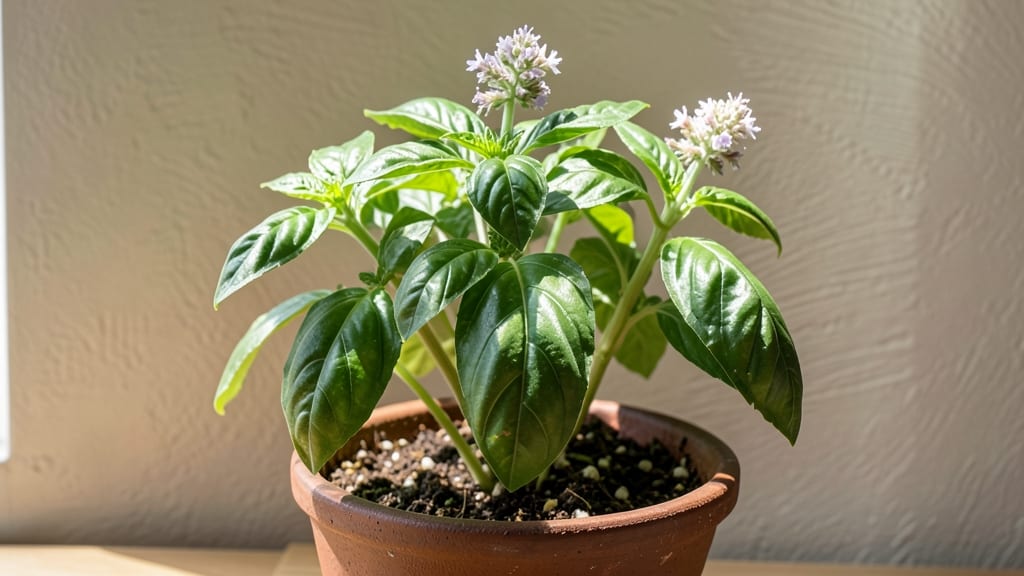
Growing basil indoors means fresh, fragrant leaves anytime—no matter how many gray days your window offers. 🌱 I’ve turned my kitchen counter into a basil factory by mastering three key moves: light, water, and pruning.
The first time I saw those purple flower buds form, I knew I’d cracked the code for year-round harvests.
You’ll need just three things: a 6-inch pot with drainage, well-draining potting mix, and a south-facing window (or a grow light if natural light is weak). Overwatering is the real villain—let the top inch of soil dry before watering again.
My plants now thrive through winter because I stopped guessing and started measuring moisture with my finger.
By week 4, you’ll be snipping leaves for pesto without ever leaving the house. The secret’s in the pruning: pinch off the top sets of leaves when stems reach 6 inches, and watch the plant branch out like a bush.
No more sad, leggy basil—just compact, productive plants that keep giving.
This works for any sunny spot, from kitchen windows to sunrooms. Even my black thumb basil now grows faster than store-bought plants wilt. Let’s get those seeds (or seedlings) started—your first harvest is closer than you think.
📚 In This Guide
- What you need
- Instructions
- Tips and common mistakes
- Wrapping up and next steps
What you need
- ● Basil seeds or seedlings: 1 packet (or 3–5 young plants for faster growth). Look for Genovese, Sweet Basil, or Thai Basil varieties.
- ● Containers: 1–2 pots (5–7 inches wide) with drainage holes. Terracotta or fabric pots work best—just avoid plastic without holes!
- ● Potting mix: 1 bag of well-draining, seed-starting mix (avoid garden soil—it’s too dense!). Add perlite or vermiculite (10–20%) for extra airflow.
- ● Watering can or spray bottle: A gentle sprayer helps avoid overwatering delicate seedlings.
- ● Trowel or small shovel: For transplanting seedlings (if starting from seed).
- ○ Grow lights (optional but helpful): A full-spectrum LED light (12–16 hours/day) if your windowsill gets <6 hours of sunlight.
- ● Fertilizer: A balanced liquid fertilizer (like 10-10-10) or organic options like fish emulsion. Dilute to half-strength!
- ● Pruning shears: Small, sharp scissors to harvest leaves and encourage bushier growth.
- ○ Humidity tray (optional): A shallow tray with pebbles and water to boost moisture in dry climates.
Step-by-step instructions for growing basil indoors
Here’s how to grow lush, flavorful basil year-round without fancy equipment—just a sunny spot and a little patience.
🌱 Step 1: Choose the Right Pot and Soil
Start with a container at least 6 inches deep—basil roots need room to stretch. I like terracotta pots because they breathe and prevent soggy soil. Fill it with well-draining potting mix (never garden soil—it compacts and drowns roots). Add a handful of perlite or sand to improve drainage if your mix feels heavy.
Moisten the soil lightly before planting—it should feel like a damp sponge, not dripping. Press it down gently so the surface is firm but not packed. This ensures roots get good contact with the soil right away.
🌿 Step 2: Plant Seeds or Transplants Correctly
If using seeds, plant 2-3 seeds per pot about ¼ inch deep—they’re tiny, so don’t bury them too deep. Cover lightly with soil and mist gently with water. For transplants, dig a hole the same depth as the root ball and place the plant in, then firm soil around the base. Water immediately after planting to settle everything.
I always label my pots because basil seedlings look identical until they sprout true leaves. Place the pot in a warm spot (65-75°F) until germination—seeds usually sprout in 7-10 days. Keep the soil consistently moist but not soggy during this time.
☀️ Step 3: Place in Bright, Direct Light
Basil craves 6+ hours of direct sunlight daily. A south-facing window is ideal, but if yours isn’t sunny enough, supplement with a grow light kept 4-6 inches above the plant. Without enough light, stems grow leggy and pale—watch for this and adjust immediately.
Rotate the pot a quarter turn every few days so the plant grows straight instead of leaning toward the light. You’ll know it’s happy when leaves are dark green, glossy, and grow in tight clusters.
💧 Step 4: Water and Feed for Maximum Growth
Water when the top inch of soil feels dry—stick your finger in to check. Overwatering is the #1 killer of indoor basil, so let excess water drain completely. I water at the base to avoid wetting leaves, which can cause fungal issues.
Feed every 2-3 weeks with a balanced liquid fertilizer (like 10-10-10) diluted to half strength. You’ll see new growth within a week—that’s your signal everything’s working. Pinch off any flowers that appear to encourage leaf production.
✂️ Step 5: Harvest and Prune for Bushier Plants
Start harvesting when the plant has 4-6 leaves. Pinch off the top set of leaves just above a pair of leaves—this triggers bushier growth. Keep harvesting regularly to prevent the plant from flowering, which makes leaves bitter.
If your basil gets leggy, cut back to 4 inches tall—it’ll bounce back with fresh, compact growth. With proper care, one plant can produce pounds of basil all year long.
Tips & tricks for growing basil indoors
Here's what nobody tells you about keeping your basil thriving—these little details make all the difference between a sad, leggy plant and a flourishing windowsill garden.
Pot Selection Matters: While terracotta pots are ideal, any container with drainage holes works—just avoid plastic, which traps moisture and can lead to root rot. I've had great success with fabric grow bags too, especially for larger plants. The key is ensuring excess water can escape, because soggy roots are basil's worst enemy.
Light is Non-Negotiable: That 6+ hours of direct sunlight isn't just a suggestion—it's a must. If your windowsill isn't sunny enough, invest in a basic LED grow light. I place mine 4-6 inches above the plant for 12 hours a day, and it makes all the difference in preventing those sad, stretched-out stems. Watch for leaves turning pale or yellowing—they're begging for more light.
Pruning Strategy: When you pinch back those top sets of leaves in Step 5, don't just snip randomly! Look for where leaves grow in pairs—this is your plant's natural growth pattern. Cut just above this pair, and you'll encourage bushier growth. I also recommend cutting at an angle to prevent water from pooling on the cut, which can cause rot.
Fertilizing Frequency: That 2-3 week feeding schedule works perfectly, but here's a pro move: alternate between liquid fertilizer and a diluted compost tea every other feeding. The compost tea gives your basil a gentle nutrient boost without the risk of over-fertilizing. Just make sure to water thoroughly before and after applying either to prevent root burn.
Pro Tips for Growing Basil Indoors
- Here's what nobody tells you about keeping your basil thriving—these little details make all the difference between a sad, leggy plant and a flourishing windowsill garden.
- Pot Selection Matters: While terracotta pots are ideal, any container with drainage holes works—just avoid plastic, which traps moisture and can lead to root rot.
- Light is Non-Negotiable: That 6+ hours of direct sunlight isn't just a suggestion—it's a must.
Frequently asked questions
Got questions about growing basil indoors?
Here are answers to the most common ones—from light needs to pests and beyond!
How much light does indoor basil really need?
Basil thrives on bright, direct sunlight (6–8 hours daily). A south-facing window is ideal, but if natural light is weak, supplement with a grow light 12–16 inches away for 12–14 hours/day. Watch for leggy stems—this is a sign it’s stretching for light!
How long does it take for indoor basil to grow?
From seed, expect 4–6 weeks for sprouts, and 6–8 weeks to harvest your first leaves. Transplanted seedlings may produce harvestable basil in 3–4 weeks. Patience pays off—consistent care speeds up growth!
What pests should I watch for, and how do I treat them?
Common culprits include aphids (tiny green bugs), spider mites (webby threads), and fungus gnats (tiny flying insects). Combat them with:
- Neem oil spray (diluted, applied weekly)
- Insecticidal soap (targets soft-bodied pests)
- Yellow sticky traps (for gnats)
- Prune affected leaves immediately to stop spread.
Can I regrow basil from store-bought stems?
Yes! Place 4–6-inch stems in a jar of water, changing it every 2–3 days. Once roots appear (after 1–2 weeks), transplant to soil. This method works best with organic, pesticide-free basil—avoid pre-treated stems!
What do I do if my basil turns yellow or wilts?
Yellow leaves often signal overwatering (check soil moisture—it should be dry 1 inch down) or nutrient deficiency. Wilting can mean underwatering or root rot (from soggy soil). Adjust care:
- Water only when topsoil is dry.
- Ensure pots have drainage holes.
- Fertilize lightly with balanced liquid fertilizer every 4–6 weeks.
What’s the best temperature for indoor basil?
Basil loves warmth—ideal temps are 65–80°F (18–27°C). Avoid drafts (like AC vents or cold windows) and keep it away from heat sources (e.g., radiators). If temps drop below 50°F (10°C), growth slows, and leaves may turn bitter.
Wrapping up and next steps
Growing basil indoors isn’t just possible—it’s rewarding! 🌿 With the right setup, you’ll enjoy fresh, fragrant leaves year-round, perfect for pesto, salads, or garnishes. Whether you’re a seasoned gardener or a beginner, your sunny windowsill can now double as a thriving herb garden.
Ready to take the next step? Start with a single plant and experiment with the tips you’ve learned. Before you know it, you’ll be harvesting basil like a pro—and maybe even sharing your success with friends! Happy growing! 🌱