
Container Gardens
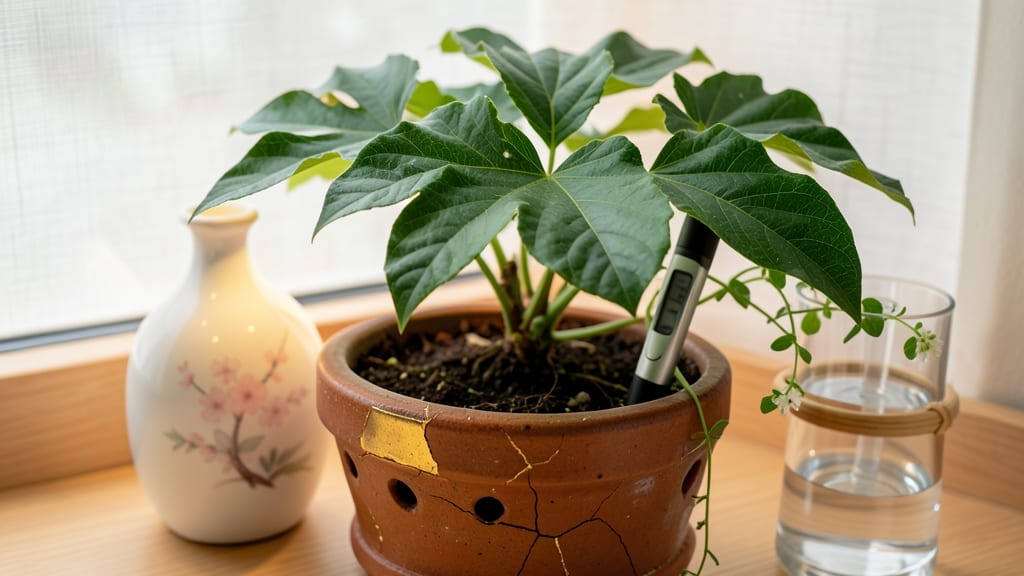
Bring spring indoors with the cherry blossom indoor plant—no yard required. 🌸 These delicate trees thrive with just bright indirect light, making them perfect for apartments or offices where sunlight is limited.
My Prunus mume has bloomed every February for three years now, proving you don’t need a greenhouse to grow them. The secret lies in mimicking their natural habitat: cool nights, humid air, and a well-draining soil mix.
Most people overwater, which causes those dreaded brown leaves—stick your finger in the soil first. If it’s dry an inch down, water; if not, wait. A pebble tray under the pot keeps humidity up without fuss.
By late winter, you’ll see tight buds forming, and within weeks, those iconic pink blossoms will fill your space with fragrance. Even in low light, these trees stay compact enough for small spaces, and with proper pruning, they’ll reward you with blooms for decades.
For best results, choose a dwarf variety like ‘Kanzan’ or ‘Shirotae’—they’re bred for indoor growing and handle pruning like pros. Let’s get yours blooming!
📚 In This Guide
- What you need
- Instructions
- Tips and common mistakes
- Wrapping up and next steps
What you need
- ● Cherry Blossom Indoor Plant: A dwarf variety like Prunus ‘Shirofugen’ or Prunus ‘Kanzan’ (ensure it’s labeled for indoor/container growth).
- ● Pot: 12–18" diameter with drainage holes (terracotta or ceramic preferred).
- ● Well-Draining Soil: 50% high-quality potting mix + 50% perlite or orchid bark (sterilized).
- ● Drainage Layer: 1–2" of gravel or expanded clay pebbles.
- ● Fertilizer: Balanced liquid fertilizer (10-10-10) or slow-release granules (osmocote).
- ● Watering Can: With a narrow spout for precise watering.
- ● Pruning Shears: Sharp, sterilized shears (for shaping and deadheading).
- ○ Grow Lights (Optional but Recommended): Full-spectrum LED grow lights (12–16 hours/day).
- ● Spray Bottle: For misting leaves (especially in dry climates).
- ● pH Test Kit: To check soil pH (ideal: 6.0–7.0).
- ● Humidity Tray: A shallow tray with pebbles and water (to boost humidity).
- ○ Gloves: For handling soil and pruning (optional but handy!).
- ● Patience & Love: Cherry blossoms thrive with consistent care! 💖
Step-by-Step instructions for growing a cherry blossom indoor plant
Here’s how to coax those dreamy blooms indoors—no greenhouse needed.
🌱 Step 1: Choose the Right Variety and Container
Cherry blossom indoor plants thrive as Prunus serrulata 'Kanzan' or Prunus x yedoensis (Yoshino cherry). These are the most cold-hardy types that adapt best to indoor life. Pick a 10-12 inch pot with drainage holes—ceramic or terracotta works best since they wick away moisture.
Fill the pot with well-draining potting mix (equal parts peat moss, perlite, and garden soil). Avoid heavy garden soil—it compacts and drowns roots. I like to add a handful of orchid bark to improve airflow. The mix should feel like a damp sponge, not mud.
☀️ Step 2: Position for Light and Temperature
Place your cherry blossom near an east-facing window for gentle morning sun or a west-facing window for afternoon light. These plants tolerate low light but bloom best with 4-6 hours of indirect sunlight daily. If your home is dim, supplement with a grow light 12 inches away for 6 hours a day.
Keep temperatures between 60-75°F—drafts and sudden temperature swings shock the plant. Avoid radiators or AC vents. You’ll notice the leaves droop if it’s too hot or crisp up if too cold. A humidifier nearby helps, especially in dry winter air.
💧 Step 3: Water and Fertilize for Blooms
Water when the top 1-2 inches of soil feel dry to the touch. Stick your finger in—if it’s damp, wait another day. Overwatering is the #1 killer of indoor cherry blossoms. I use room-temperature water to avoid shocking the roots. Let excess water drain completely from the saucer.
Feed with a balanced 10-10-10 fertilizer every 4-6 weeks during spring and summer. Reduce to half-strength in fall and winter. You’ll see buds form in early spring if the plant is happy—look for tiny pink swellings at the tips of branches.
✂️ Step 4: Prune and Encourage New Growth
Prune after flowering to shape the plant and promote new blooms. Cut back 1/3 of the oldest branches to encourage fresh growth. Use clean, sharp pruners and make cuts just above a leaf node. Avoid cutting into woody stems—this can harm the plant.
If your plant looks leggy, it’s reaching for light. Rotate the pot a quarter turn weekly so it grows evenly. You’ll see new leaves emerge within 2-3 weeks of pruning—this is your sign the plant is recovering. Avoid heavy pruning in winter, as the plant needs energy to survive.
🪴 Step 5: Overwinter for Next Year’s Blooms
Reduce watering in fall as growth slows. Move the plant to a cooler spot (55-65°F) if possible, like a garage or basement, for 2-3 months. This mimics dormancy and helps the plant store energy for spring blooms. You’ll notice leaves yellow and drop—this is normal.
In late winter, bring it back to room temperature and resume regular watering. You’ll see the first signs of new buds in 4-6 weeks. If your plant doesn’t bloom, it may need more light or a rest period. Patience is key—cherry blossoms reward consistency with stunning spring displays.
Tips & tricks for perfect cherry blossom indoor plant care
Mastering these small details makes all the difference between a struggling plant and one that bursts with blooms. Here's what nobody tells you—
Light Strategy: The 4-6 hours of indirect sunlight in Step 2 should ideally come from the same direction daily. If your east-facing window gets blocked, try rotating the plant slightly each morning to mimic sun movement. For grow lights, position them 12 inches away and use a timer for consistent 6-hour exposure—this mimics natural daylight cycles and prevents leggy growth.
Soil Science: When mixing your well-draining potting blend in Step 1, press it gently—it should hold its shape but crumble easily when squeezed. If it feels too dense, add more perlite. The orchid bark isn't optional; it creates tiny air pockets that prevent root rot. I've seen plants thrive in this mix for years because it mimics their natural forest floor habitat.
Pruning Precision: That 1/3 pruning in Step 4 isn't about removing random branches—look for the oldest, thickest stems. Make cuts just above a leaf node (where leaves grow) at a 45-degree angle. This encourages new growth from the base while maintaining the plant's natural shape. I always prune after blooming so the plant can focus its energy on next year's flowers.
Winter Survival: The 2-3 month cooler period in Step 5 is your secret weapon. If you can't move to a garage, place the plant near an unheated window or in a closet with a small space heater set to 60°F. The key is consistency—sudden warmth shocks the plant out of dormancy too early. You'll know you've nailed it when you see those first pink buds appear after 4-6 weeks.
Pro Tips for Cherry Blossom Indoor Plant
- Mastering these small details makes all the difference between a struggling plant and one that bursts with blooms.
- Light Strategy: The 4-6 hours of indirect sunlight in Step 2 should ideally come from the same direction daily.
- Soil Science: When mixing your well-draining potting blend in Step 1, press it gently—it should hold its shape but crumble easily when squeezed.
Frequently asked questions
about your cherry blossom indoor plant—because even the prettiest blooms come with questions!How much light does a cherry blossom indoor plant really need?
A cherry blossom thrives in bright, indirect light (think east-facing windows or a few feet from a south window). It can tolerate low light for short periods, but expect slower growth and fewer blooms. If leaves yellow or stretch toward the light, it’s begging for more brightness—try a grow light 12 inches away for 6–8 hours daily.
Why isn’t my cherry blossom blooming indoors?
Blooms need consistency! Ensure your plant gets 6+ hours of light daily, cool nights (60–65°F), and a balanced fertilizer (like 10-10-10) every 4–6 weeks during spring/summer. Overwatering or sudden temperature swings can also stunt blooms. Patience is key—some varieties take 1–2 years to flower indoors!
How often should I water my cherry blossom indoor plant?
Water when the top 1–2 inches of soil feel dry—usually once a week, but adjust for humidity/climate. Overwatering is the #1 killer! Use a pot with drainage holes and empty the saucer after 10 minutes to prevent root rot. In winter, reduce watering to every 2–3 weeks as growth slows.
Can I grow a cherry blossom from a cutting or seed?
Cuttings are easier! Take a 4–6 inch stem in spring/summer, dip in rooting hormone, and plant in moist perlite or sand. Keep humid (use a plastic bag) and in bright, indirect light. Seeds are trickier—germination takes 4–6 weeks and results vary. For reliable blooms, opt for a nursery-grown plant instead.
What pests should I watch for on my cherry blossom plant?
Keep an eye out for spider mites (tiny webs), aphids (sticky residue), or scale insects (bumpy brown spots). Wipe leaves with neem oil or insecticidal soap weekly as prevention. Isolate infested plants and quarantine new additions. Ladybugs are natural allies—invite them to your garden!
Is a cherry blossom indoor plant toxic to pets?
Good news! Cherry blossom plants (Prunus serrulata varieties) are non-toxic to cats and dogs, according to the ASPCA. However, always monitor pets—some may nibble leaves, causing mild stomach upset. If your pet ingests large amounts, contact your vet. Opt for pet-safe fertilizer to keep them safe!
Wrapping up and next steps
Bringing the beauty of cherry blossoms indoors is easier than you think! With their low-light adaptability and year-round blooms, these plants are perfect for adding a touch of nature to any space.
Whether you're a seasoned plant parent or just starting out, the cherry blossom indoor plant offers a rewarding and low-maintenance way to enjoy spring’s charm indoors.
Ready to transform your home? Start by picking your favorite variety, gathering your supplies, and following the care tips shared above. Watch your little slice of spring flourish—and don’t forget to share your progress with fellow plant lovers! 🌸✨