
Container Gardens
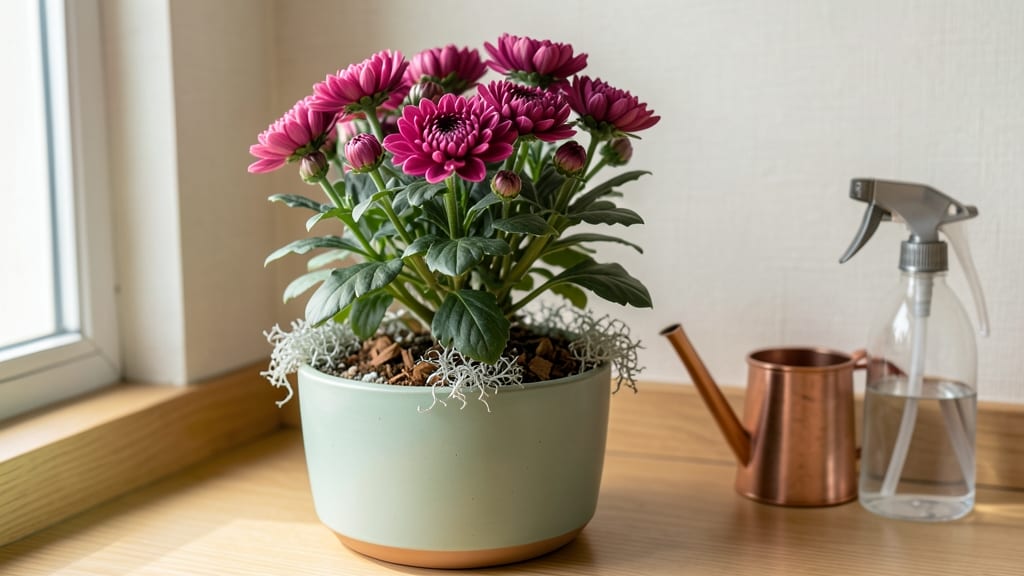
Growing chrysanthemums indoors brings year-round color without needing a sunny windowsill. 🌸 I’ve kept these plants blooming in my dimly lit living room for three winters straight—here’s how to beat the leggy, non-flowering fate most indoor mums suffer.
The secret starts with light: even low-light varieties need 4-6 hours of bright indirect light daily. A simple grow bulb (like a 10,000-lux LED) fills gaps when natural light fades.
Soil should drain well—mix 1 part potting mix with 1 part perlite—and water only when the top inch feels dry. Overwatering is the #1 killer of indoor chrysanthemums.
By adjusting your care, you’ll get months of blooms instead of one sad flush in fall. Pinch back leggy stems early, fertilize lightly every 4-6 weeks, and watch your plant reward you with bold blooms that last through holidays. The key? Treat them like outdoor plants—but with indoor patience.
Works for apartments, offices, or sun-starved rooms. Let’s fix those sad, stretched-out mums for good—your neighbors will be jealous of your year-round color.
📚 In This Guide
- What you need
- Instructions
- Tips and common mistakes
- Wrapping up and next steps
What you need
- ● Chrysanthemum plant (choose a compact variety like 'Bonanza' or 'Daisy Mound' for indoor spaces)
- ● 6- to 8-inch pot with drainage holes (terracotta or ceramic works best)
- ● Well-draining potting mix (use a blend of 60% peat moss, 20% perlite, and 20% vermiculite)
- ● Slow-release fertilizer (14-14-14 NPK ratio, ~1 tbsp per pot)
- ● Watering can with a narrow spout for precision
- ● Spray bottle (for misting leaves)
- ● Pruning shears (sterilized with rubbing alcohol)
- ● Grow lights (LED full-spectrum, 12-14 hours/day if natural light is limited)
- ● Humidity tray (pebbles + water to boost moisture)
- ● Plant food (balanced liquid fertilizer, diluted to half-strength)
- ● Decorative pot (for aesthetic appeal, ensure it fits inside the functional pot)
Step-by-Step guide to growing thriving indoor chrysanthemums
Here’s how to coax vibrant blooms indoors—even in low-light spaces—with a few key adjustments most gardeners miss.
🪴 Step 1: Select the Right Variety and Pot
Choose a compact, dwarf variety like ‘Bonanza’ or ‘Bright’s Abundance’—these thrive indoors and produce abundant flowers. Avoid large garden types; they need too much space and light. A 6-8 inch pot with drainage holes is ideal for each plant, giving roots room to establish without overwhelming the space.
Use a well-draining potting mix (equal parts peat moss, perlite, and compost) to prevent soggy roots, which quickly lead to rot. Chrysanthemums hate wet feet, so I always add a handful of perlite to the mix—it keeps moisture balanced while allowing airflow. Fill the pot to within 1 inch of the rim, leaving room for watering.
☀️ Step 2: Position for Low-Light Success
Place your chrysanthemum near a north- or east-facing window where it gets 4-6 hours of indirect light daily. Direct sunlight scorches leaves, while too little light stretches stems and delays blooms. If natural light is limited, supplement with a full-spectrum LED grow light kept 12-18 inches above the plant for 12-14 hours daily. You’ll notice leaves staying dark green and compact—this means the light is just right.
Rotate the pot quarter-turn weekly so the plant grows evenly. Without rotation, stems lean toward the light, creating a lopsided, weak plant. Watch for yellowing leaves—a sign of too much light—or pale, sparse foliage—a sign of insufficient light. Adjust the light source or window position until the plant looks balanced and healthy.
💧 Step 3: Water and Feed for Continuous Blooms
Water when the top inch of soil feels dry to the touch, but never let the plant sit in water. Chrysanthemums are drought-tolerant but despise soggy conditions. I water deeply until it drains from the bottom, then empty the saucer to prevent root suffocation. Overwatering is the fastest way to kill an indoor chrysanthemum—roots rot within days.
Feed every 2-3 weeks with a balanced liquid fertilizer (10-10-10) diluted to half strength. This encourages blooms instead of leafy growth. Stop fertilizing 6 weeks before winter to let the plant rest. You’ll see buds form more readily when the plant isn’t overstimulated with nutrients.
✂️ Step 4: Prune and Shape for Healthier Growth
Pinch back the top set of leaves when the plant is 6-8 inches tall to encourage bushier growth. This simple step prevents leggy stems and promotes more blooms. Use clean scissors to snip just above a leaf node—never tear the stem. Deadhead spent flowers regularly to redirect the plant’s energy into new buds instead of seed production.
If the plant looks overcrowded, trim back one-third of the longest stems in early spring. This rejuvenates the plant and prevents disease by improving airflow. Avoid heavy pruning in fall—chrysanthemums need their foliage to photosynthesize for winter blooms. Watch for new growth at the base after pruning; this is your signal the plant is recovering well.
⏰ Step 5: Manage Light and Temperature for Year-Round Blooms
Chrysanthemums need 12-14 hours of light daily to bloom consistently. In winter, when daylight shortens, extend light with a grow light or move the plant to a brighter spot. Without enough light, buds form poorly or drop off. I keep my plants in a cool room (60-65°F) at night—this mimics their natural dormancy period and triggers blooming.
In summer, avoid placing them near hot windows or vents, which cause leaf scorch. If humidity drops below 40%, mist the leaves lightly or place the pot on a pebble tray filled with water. You’ll see fewer pests and stronger stems when humidity is stable. With these adjustments, your chrysanthemum will reward you with nonstop blooms year-round.
Tips & tricks for perfect indoor chrysanthemum care
Here's what nobody tells you about keeping these beauties thriving indoors—especially when light is limited.
Lighting Strategy: The 4-6 hours of indirect light in Step 2 is non-negotiable for blooming, but here's the secret: position your plant 12 inches from the window in winter when sunlight is weaker. I've found that moving it closer during shorter days prevents that "leggy" growth where stems stretch desperately toward any light source. For grow lights, use a timer to automate the 12-14 hour cycle—consistency is more important than exact hours.
Root Health Secret: When filling your 6-8 inch pot to within 1 inch of the rim, press the soil mixture gently but firmly around the roots. This eliminates air pockets that can cause rot, especially with our well-draining mix. I tap the pot on the counter 2-3 times after planting to settle the soil properly. Also, make sure those drainage holes are clear—roots can grow into them over time and become damaged during repotting.
Pruning Precision: That quarter-turn rotation in Step 2 isn't just about light exposure—it's also your chance to spot early signs of pests. While rotating, run your fingers along the stems and undersides of leaves. You'll catch spider mites or aphids before they become a full-blown infestation. I keep a small spray bottle of water handy for quick rinses when I find them. The key is to prune any affected areas immediately and isolate the plant for 24 hours to prevent spreading.
Seasonal Temperature Transition: The cool 60-65°F nighttime temperature in Step 5 works wonders, but don't let your plant sit in drafty areas near doors or windows. I've learned this the hard way—temperature swings of more than 10°F in a single day stress the plant and cause buds to drop. In summer, move plants away from AC vents, and in winter, keep them away from heat sources. A simple laser thermometer helps monitor these microclimates accurately.
Pro Tips for Chrysanthemum Indoor Plant
- Here's what nobody tells you about keeping these beauties thriving indoors—especially when light is limited.
- Lighting Strategy: The 4-6 hours of indirect light in Step 2 is non-negotiable for blooming, but here's the secret: position your plant 12 inches from the window in winter when sunlight is weaker.
- Root Health Secret: When filling your 6-8 inch pot to within 1 inch of the rim, press the soil mixture gently but firmly around the roots.
Frequently asked questions
Got questions about keeping your chrysanthemum indoor plant thriving? You’re not alone! Here are answers to the most common queries—from care tips to troubleshooting—so you can enjoy those vibrant blooms year-round.
How often should I water my indoor chrysanthemum?
Water your chrysanthemum when the top 1–2 inches of soil feel dry to the touch. Overwatering is a common issue—yellow leaves or wilting can signal soggy roots. Aim for moderate moisture (about once a week, adjusting for humidity/dryness). Always use a pot with drainage holes to prevent root rot.
When is the best time to prune my chrysanthemum?
Prune your chrysanthemum in early spring (before new growth) to shape the plant and encourage bushier blooms. You can also lightly trim spent flowers throughout the blooming season to promote more flowers. Avoid heavy pruning in fall/winter—this is their resting period. Use clean scissors and cut just above a leaf node.
Why aren’t my chrysanthemums blooming indoors?
Indoor chrysanthemums often skip blooming due to lack of light or short daylight hours. Move them to a bright, indirect spot (east or north-facing windows work best). If blooms still refuse to appear, try supplementing with a grow light (12–14 hours/day) in fall/winter. Also, ensure they’re not over-fertilized with high-nitrogen feeds—bloom boosters (like 5-10-5) work better!
Are there low-maintenance alternatives to chrysanthemums for indoor growing?
Yes! If chrysanthemums seem too fussy, try these low-light, low-maintenance bloomers:
- African Violet: Thrives in indirect light, blooms often, and loves humidity.
- Peperomia: Nearly indestructible, with colorful foliage and minimal water needs.
- Spider Plant: Tolerates low light, purifies air, and produces baby "spiderettes."
- Zebra Plant: Drought-resistant with striking stripes and easy care.
What pests should I watch for on my chrysanthemum?
Keep an eye out for aphids, spider mites, and whiteflies—they love chrysanthemums! Check the undersides of leaves for sticky residue or tiny webs. Treat mild infestations with neem oil or insecticidal soap. For severe cases, isolate the plant and use a hose spray to dislodge pests. Prevention? Wipe leaves with a damp cloth weekly to deter pests.
Wrapping up and next steps
Growing a chrysanthemum indoor plant is a rewarding way to bring vibrant blooms and natural beauty into your home—even in low-light spaces! 🌿 With the right care, these hardy plants thrive year-round, offering cheerful colors and air-purifying benefits.
Whether you’re a beginner or a seasoned gardener, their adaptability makes them a perfect fit for any indoor setup.
Ready to bloom with confidence? Start by selecting your favorite variety, gathering the essentials, and following the simple care tips shared above. Watch as your chrysanthemum transforms your space into a cozy, flourishing oasis—one petal at a time! 🌸
Next step: Pick your plant, pot, and location, and let the magic unfold! 🌱