
Container Gardens
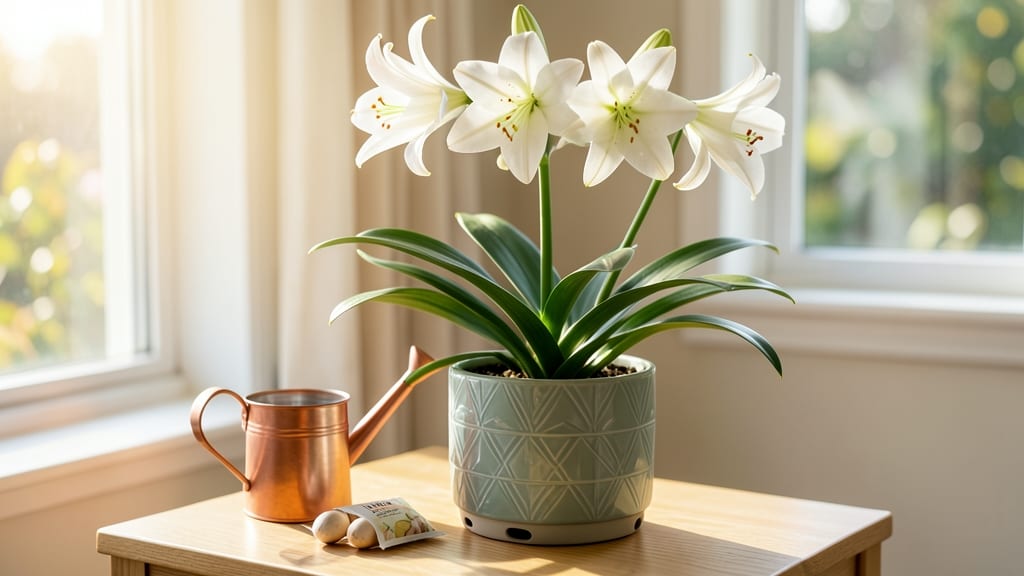
Easter lily care indoors is simple once you understand their forest-floor roots—these beauties thrive with just bright indirect light and no sunny windowsill drama. 💚 I’ve kept mine blooming for years by mimicking their natural habitat: cool nights, moderate water, and a little patience when they go dormant. The key is understanding their seasonal rhythm, not treating them like cut flowers. These plants love well-draining soil and 60-70°F temperatures—warmer spots make them bolt. Water when the top inch feels dry, and avoid soggy soil. After blooms fade, let the leaves yellow naturally before trimming, as they feed next year’s growth. Most people rush this step and never get reblooms. With proper care, you’ll enjoy stunning white blooms in spring and sometimes a second flush in fall. The fragrance alone makes it worth the effort. Just don’t over-fertilize—they’re sensitive to salts, and that’s how you lose them. Repot every 2-3 years in spring, and watch for pests like spider mites. My biggest mistake? Ignoring the humidity—these lilies love it moist, like a jungle corner. A pebble tray with water helps if your air feels dry.
📚 In This Guide
- What you need
- Instructions
- Tips and common mistakes
- Wrapping up and next steps
What you need
- ● Easter lily bulb or potted plant: Choose a healthy bulb or a pre-potted Easter lily (look for firm, vibrant blooms and no yellowing leaves).
- ● Well-draining potting mix: A high-quality, lightweight mix designed for bulbs or flowering plants (e.g., 50% peat moss, 30% perlite, 20% compost). Quantity: Enough to fill a 6–8 inch pot (about 2–3 gallons).
- ● Pot with drainage holes: A container with holes to prevent root rot. Size: 6–8 inches in diameter (one bulb per pot, or 2–3 bulbs in a larger container).
- ● Watering can or spray bottle: For gentle, even watering (avoid over-saturating the soil).
- ● Balanced liquid fertilizer: A 10-10-10 or 20-20-20 formula (diluted to half-strength). Quantity: Enough for 2–3 applications during the growing season.
- ● Pruning shears or scissors: For trimming spent blooms and foliage.
- ○ Grow lights (optional but helpful): A full-spectrum LED bulb (10–15 watts) if natural light is limited (6–8 hours/day).
- ● Mulch or pebbles: To retain moisture and add aesthetic appeal (e.g., decorative stones or coconut coir).
- ● Humidity tray: A shallow tray with pebbles and water to boost humidity (especially useful in dry climates).
- ● Soil moisture meter: To monitor hydration levels without overwatering.
- ● Decorative pot or cachepot: A stylish outer pot to elevate your lily’s charm (ensure it has drainage holes if repotting).
Step-by-step instructions for growing Easter lilies indoors
Here's how to keep your Easter lily thriving indoors with simple, low-light care.
🪴 Step 1: Choose the Right Container and Soil Mix
Select a pot with drainage holes that's just 1-2 inches wider than the plant's root ball. I like ceramic pots because they retain moisture well while still allowing airflow. Fill the bottom with 1 inch of pebbles or perlite to improve drainage—this prevents soggy roots that invite rot.
Use a well-draining potting mix designed for bulbs or mix equal parts of peat moss, perlite, and compost. The soil should feel light and crumbly, not dense. Gently loosen the roots of your Easter lily before placing it in the pot to encourage outward growth. Press the soil around the base firmly but don't compact it too tightly.
☀️ Step 2: Position for Bright, Indirect Light
Easter lilies thrive in bright, indirect light—think east-facing windows or a few feet from a south window. Too much direct sun will scorch the leaves, while too little light means fewer blooms. You'll know the light is right when leaves stay a vibrant green without yellowing.
Rotate the pot a quarter turn weekly so the plant grows evenly. If you notice leaves leaning toward the light, it's time to move the plant closer to the window or add a grow light. A simple LED bulb kept 12-18 inches away for 12-14 hours daily works wonders in low-light spaces.
💧 Step 3: Water Consistently Without Overdoing It
Water your Easter lily when the top inch of soil feels dry to the touch. Stick your finger in the soil—if it's damp, wait another day. During active growth (spring and summer), you'll water about once a week, but reduce to every 10-14 days in winter when growth slows.
Always water at the base of the plant, avoiding the leaves to prevent fungal diseases. Let excess water drain completely—no soggy saucers. Yellowing leaves often mean overwatering, while crispy edges signal underwatering. Find that happy medium, and your lily will reward you with glossy, healthy foliage.
✂️ Step 4: Fertilize and Prune for Long-Term Health
Feed your Easter lily with a balanced, water-soluble fertilizer (like 10-10-10) every 4-6 weeks during the growing season. Dilute the fertilizer to half-strength to avoid burning the roots. Stop fertilizing in late summer to let the plant rest—this prepares it for next year's blooms.
After the flowers fade, trim the spent blooms back to where the flower stalk meets the foliage. Don't cut the leaves until they yellow naturally—this ensures the bulb stores enough energy for next year. Once the leaves turn brown, you can trim them back to 2 inches above the soil line and let the plant rest.
🌱 Step 5: Encourage Reblooming with Proper Care
To get your Easter lily to rebloom, keep it in a cool spot (55-65°F) with minimal water for 6-8 weeks in late summer
In early fall, bring the pot back to a warmer, brighter spot and resume regular watering and feeding. You'll see new growth in 4-6 weeks, and with patience, your Easter lily can bloom again the following spring. This cycle takes consistency, but the payoff is worth it—year-round beauty with minimal effort.
Tips & tricks for perfect indoor Easter lily care
Took me a while to figure these out, so here goes—your Easter lily will thrive with these simple secrets.
Container and Drainage: The 1-2 inch wider pot recommendation isn't just about space—it's about airflow. I've seen soggy roots ruin otherwise healthy plants because of poor drainage. That 1 inch of pebbles or perlite at the bottom isn't optional; it's your first line of defense against root rot. If your pot doesn't have drainage holes, drill them yourself—trust me, it's worth it.
Lighting Strategy: That quarter turn weekly rotation makes a huge difference in preventing lopsided growth. I've noticed my plants grow much more evenly when I stick to this schedule. For low-light spaces, the 12-18 inches away for 12-14 hours daily with LED grow lights is perfect—just make sure the bulb stays cool to the touch. Too much heat from the bulb can damage the leaves.
Watering Wisdom: The top inch dry test is foolproof, but here's what nobody tells you—water in the morning. This gives the soil time to dry out properly during the day, preventing fungal issues. I've also found that using room temperature water prevents shocking the roots, which can cause stress and yellowing.
Reblooming Secret: That 6-8 week cool period in late summer is critical for reblooming. I keep mine in my garage where temps naturally drop to 55-65°F. The key is consistency—don't bring it back too early. I've tried moving it back in fall too soon, and the new growth always takes longer to appear.
Pro Tips for Easter Lily Care Indoors
- Took me a while to figure these out, so here goes—your Easter lily will thrive with these simple secrets.
- Container and Drainage: The 1-2 inch wider pot recommendation isn't just about space—it's about airflow.
- Lighting Strategy: That quarter turn weekly rotation makes a huge difference in preventing lopsided growth.
Frequently asked questions
Got questions about keeping your Easter lily thriving indoors?
Here are answers to the most common concerns—from blooming secrets to troubleshooting—so you can enjoy those stunning white flowers all year!
How long do Easter lilies last indoors?
With proper care, Easter lilies can bloom for 4-6 weeks indoors. After flowering, the plant may go dormant, but don’t toss it! With patience, it can rebloom next year. Keep it in a cool, bright spot (like a north-facing window) during this time to encourage regrowth.
Why are my Easter lily leaves turning yellow?
Yellowing leaves usually signal overwatering or poor drainage. Let the top 1-2 inches of soil dry out between waterings, and ensure the pot has drainage holes. If the roots smell sour or feel mushy, trim the affected parts and repot in fresh, well-draining soil.
Can I make my Easter lily rebloom next year?
Yes! After blooms fade, cut back the flower stalk but leave the foliage. Place the pot in a cool (60–65°F) spot with bright, indirect light for 6–8 weeks. Resume normal care in spring. Fertilize lightly every 4–6 weeks to encourage new growth and future blooms.
What’s the best alternative if my Easter lily dies?
If your Easter lily doesn’t survive, try these low-light, long-blooming alternatives:
- Peace Lily: Thrives in dim corners, blooms white, and purifies air.
- Spider Plant: Hardy, pet-friendly, and produces baby "spiderettes."
- African Violet: Compact, colorful blooms with minimal light needs.
How often should I water an indoor Easter lily?
Water when the top inch of soil feels dry—typically every 7–10 days, depending on humidity and temperature. Avoid soggy soil (a common killer!), and use room-temperature water. In winter, reduce watering to every 2–3 weeks as growth slows.
Do Easter lilies need direct sunlight?
Nope! They prefer bright, indirect light (like an east- or north-facing window). Too much direct sun can scorch leaves, while low light may reduce blooming. A grow light 12 inches away for 6–8 hours daily works if natural light is lacking.
Wrapping up and next steps
Caring for an Easter lily indoors is easier than you think—just provide the right balance of light, water, and patience! With minimal sunlight needs and a few simple steps, you can enjoy their stunning blooms year-round.
Whether you’re a beginner or a seasoned plant parent, these tips will help your lily thrive and bring beauty to your space.
Ready to level up your indoor garden? 🌱 Start by exploring more container gardening tips or check out our guide on keeping lilies blooming beyond Easter!