
Container Gardens
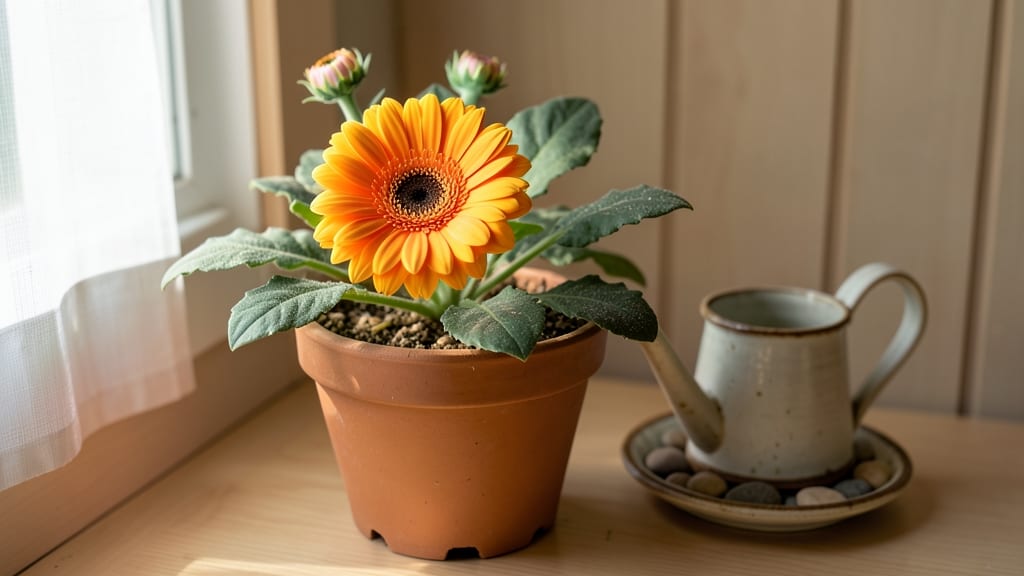
Growing daisies indoors brings sunlit joy to any room, but getting them to bloom reliably takes the right lighting tricks. 🌻 I’ve turned my dim apartment into a daisy paradise by mastering just three key factors: light, airflow, and the perfect pot size—no greenhouse needed. The secret isn’t expensive gear but matching your space to what daisies actually need (hint: it’s not the brightest window you own).
Start with Gerbera or African daisies—they’re the most forgiving for indoor growing. You’ll need a 6-inch pot with drainage, well-draining soil, and a south-facing window (or a grow light if that’s not an option).
Overwatering is the #1 killer, so let the top inch of soil dry out between drinks. Humidity matters too: mist leaves or place a tray of pebbles with water nearby to keep them happy.
Leggy stems? That’s your plant begging for light. Rotate the pot weekly so it grows straight, and pinch back leggy growth to encourage bushier blooms. With the right setup, you’ll see buds in 6-8 weeks—and once they start flowering, they’ll keep you smiling for months.
The payoff? A burst of color that outshines any store-bought bouquet.
This works for small apartments, offices, or even a sunny bathroom. The key is adapting the basics to your space—no fancy setups required. Let’s get those daisies thriving!
📚 In This Guide
- What you need
- Instructions
- Tips and common mistakes
- Wrapping up and next steps
What you need
- ● Daisy plants or seeds: 1–3 Gerbera daisies (hardier for indoor growing) or Shasta daisies (if using cuttings)
- ● OR 5–10 daisy seeds (slow-growing; requires patience!)
- ● Containers: 1–2 6–8-inch pots (per plant) with drainage holes (required!)
- ○ Optional: Self-watering planters or decorative cachepots (for aesthetics)
- ● Potting mix: 1 bag well-draining, peat-based mix (e.g., African Violet or succulent blend)
- ○ Optional: Perlite or vermiculite (10% mix) for extra aeration
- ● Grow lights: 1 full-spectrum LED grow light (12–16 hours/day) (critical for indoor success!)
- ● OR A sunny south-facing window (if natural light is abundant)
- ● Watering tools: 1 spray bottle (for seedlings) or watering can with a fine rose
- ○ 1 moisture meter (optional but helpful)
- ● Fertilizer: Balanced liquid fertilizer (diluted to half-strength, every 4–6 weeks)
- ● Humidity tray: A shallow tray with pebbles + water (to boost moisture levels)
- ● Support stakes: Small wooden or bamboo stakes (if daisies grow tall)
- ● Pruning shears: For trimming dead blooms or leggy stems
Step-by-Step instructions for growing daisies indoors
Here’s how to coax those cheerful blooms indoors using light hacks and simple care.
🌱 Step 1: Select the Right Daisy Variety and Containers
Start with gerbera daisies or shasta daisies, as they adapt best to indoor conditions. Avoid tall varieties—they’ll outgrow indoor spaces quickly. Use 6-8 inch diameter pots with drainage holes to prevent root rot, and fill them with a well-draining potting mix designed for flowering plants.
I like to add a handful of perlite to the mix for extra aeration—this prevents soggy soil, which daisies despise. Press the soil lightly to remove air pockets, then water until moisture runs freely from the drainage holes. Let excess water drain completely before planting.
☀️ Step 2: Position for Maximum Light Exposure
Daisies need 6-8 hours of bright, direct light daily to bloom. A south-facing window is ideal, but if that’s not available, supplement with a grow light placed 6-12 inches above the plants. I use a full-spectrum LED bulb on a timer for 14 hours per day to mimic natural sunlight.
Rotate the pots quarter-turn weekly so plants grow evenly. Watch for leaves stretching toward the light—that’s a sign your light source is too weak or too far away. Adjust immediately to prevent leggy stems, which rarely produce flowers.
💧 Step 3: Water and Fertilize for Consistent Blooms
Water when the top inch of soil feels dry, but never let the soil stay soggy. Overwatering causes root rot, which kills daisies faster than any other issue. I water at the base to avoid wetting the leaves, which can invite fungal diseases. Use room-temperature water to prevent shocking the roots.
Feed every 4-6 weeks with a balanced 10-10-10 fertilizer diluted to half-strength. Too much fertilizer leads to lush foliage but few blooms. Deadhead spent flowers by snipping stems just above the first set of leaves—this encourages more blooms and keeps plants tidy.
✂️ Step 4: Prune and Maintain for Long-Term Health
Trim back leggy stems to encourage bushier growth, and pinch off any buds that form in the first 8 weeks. This might seem counterintuitive, but it redirects energy into root and stem development. Once established, daisies bloom more reliably if you prune back by one-third after each flowering cycle.
Check for pests like aphids or spider mites weekly. Wipe leaves with a damp cloth to remove dust, which blocks light absorption. If you notice yellowing leaves, it’s usually a sign of overwatering or poor drainage—adjust your care routine immediately.
Tips & tricks for perfect indoor daisy growth
Here's what nobody tells you about keeping your daisies thriving indoors—these tricks make all the difference.
Lighting Strategy: If you're using a grow light, position it 6-12 inches above your plants and keep it on for the full 14 hours per day as specified. I've found that using a timer eliminates the guesswork—set it before bed so you don't have to remember. For windows, place pots within 12 inches of the glass to maximize light penetration, especially on cloudy days.
Soil Preparation: The perlite addition in Step 1 is crucial—it prevents that dreaded soggy soil that daisies absolutely hate. I like to mix in one part perlite to three parts potting mix for optimal aeration. After planting, give the soil a gentle press to eliminate air pockets, then water thoroughly until it drains freely from the bottom. This ensures your roots get both air and moisture in perfect balance.
Pruning Insight: That initial 8-week pinch-off might seem counterintuitive, but it's a game-changer for strong stems. I've seen daisies grow leggy and weak when people skip this step. After the first bloom cycle, pruning back by one-third encourages bushier growth and more flowers. Use clean, sharp scissors to avoid damaging the plant tissue.
Fertilizer Timing: The 4-6 week feeding schedule is perfect for maintaining blooms without overfeeding. I've learned that less is more—too much fertilizer creates lush leaves at the expense of flowers. Always dilute that 10-10-10 to half-strength, and apply it to the soil (not leaves) to prevent burn. Water thoroughly after fertilizing to help distribute nutrients evenly.
Pro Tips for Growing Daisies Indoors
- Here's what nobody tells you about keeping your daisies thriving indoors—these tricks make all the difference.
- Lighting Strategy: If you're using a grow light, position it 6-12 inches above your plants and keep it on for the full 14 hours per day as specified.
- Soil Preparation: The perlite addition in Step 1 is crucial—it prevents that dreaded soggy soil that daisies absolutely hate.
Frequently asked questions
Got questions about growing daisies indoors?
Here are some of the most common ones—plus quick, practical answers to help you keep your blooms happy and thriving!
Can I grow daisies indoors year-round?
Yes, but with a few tweaks! Most daisies thrive indoors as long as they get 6-8 hours of bright, indirect light daily (a south-facing window or grow lights work best). However, they’re seasonal bloomers—expect fewer flowers in winter unless you supplement with artificial light. Choose compact varieties like Shasta or Gerbera daisies, which adapt better to indoor conditions.
Why aren’t my indoor daisies blooming?
Indoor daisies often skip blooming due to light deprivation, overcrowding, or lack of nutrients. First, check their light source—if it’s dim, move them closer to a window or upgrade to a full-spectrum LED grow light. Next, ensure they’re not root-bound (repot if needed) and fertilize lightly with a balanced liquid fertilizer every 4-6 weeks during growing season. Pro tip: A cool nighttime temp (55–60°F) can also trigger blooming!
What’s the best temperature for indoor daisies?
Daisies love moderate temps between 60–75°F during the day and a 5–10°F drop at night to encourage blooming. Avoid drafts (like AC vents or heaters) and keep them away from fluctuating temps, which can stress the plants. If your home stays too warm, open a window occasionally or use a small fan to improve air circulation—just don’t let it blow directly on the leaves!
Can I grow daisies in small pots or containers?
Daisies do well in containers as small as 6–8 inches wide, but ensure the pot has drainage holes to prevent root rot. Use a light, well-draining potting mix (like a 50/50 blend of peat moss and perlite) and refresh it every 1–2 years. For extra cheer, try hanging baskets or tiered planters—just monitor moisture closely, as small pots dry out faster.
What should I do if my indoor daisy leaves turn yellow?
Yellow leaves usually signal overwatering, underwatering, or nutrient deficiencies. First, check the soil—if it’s soggy, let it dry out before watering again. If it’s bone-dry, water thoroughly but avoid drowning the roots. Yellowing can also mean too much fertilizer (flush the soil with water) or low light (move the plant closer to a brighter spot). Bonus: Wipe leaves gently with a damp cloth to remove dust and help them absorb light better!
Wrapping up and next steps
Growing daisies indoors isn’t just possible—it’s a rewarding way to bring sunshine and joy into your space! With the right lighting hacks, containers, and care, you’ll enjoy vibrant blooms year-round. 🌸 Start small, experiment with setups, and don’t hesitate to troubleshoot along the way.
Ready to dive in? Pick your favorite daisy variety and get planting—your indoor garden awaits! For extra inspiration, explore indoor gardening communities or try your hand at expanding to other low-light plants next.