
Plants
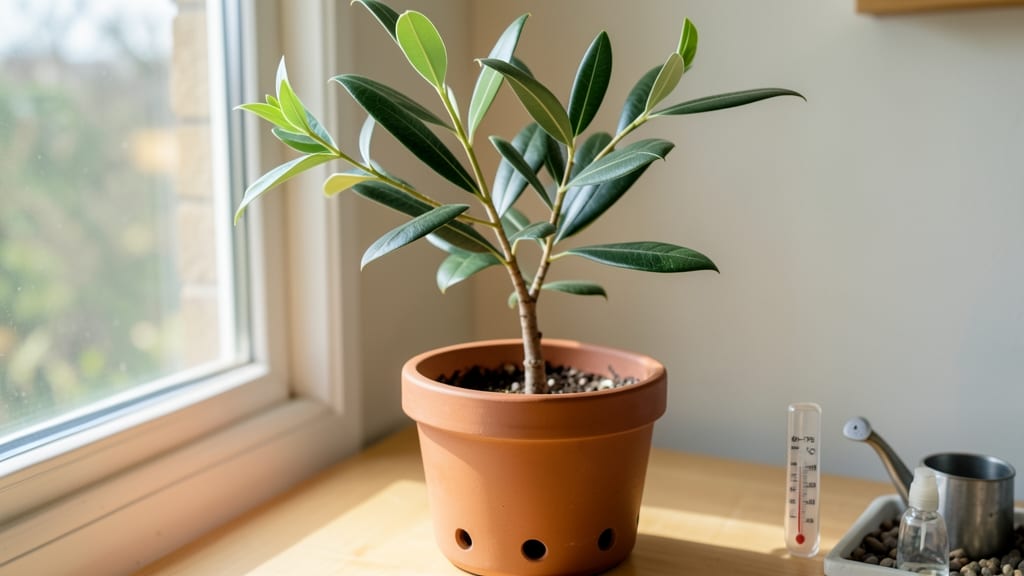
Growing eucalyptus indoors transforms your space into a fragrant retreat—no outdoor sunlight required. 🌿 I’ve nurtured these silvery-leaved wonders in apartments with just a bright window and consistent care, and they’ve thrived where other plants wilt. The key isn’t mimicking their native sunbaked landscapes but understanding their adaptable nature.
Start with compact varieties like Eucalyptus pauciflora or E. gunnii, which handle indoor conditions best. You’ll need a pot with drainage, well-draining soil, and a spot near a south- or west-facing window (or a grow light for 6+ hours daily).
Water when the top inch feels dry—overwatering is the fastest way to kill these drought-tolerant plants.
With proper care, your eucalyptus will reward you with glossy, aromatic leaves that release a crisp scent when brushed. Prune leggy growth to encourage bushiness, and watch as it grows 1-2 feet per year indoors. The real magic? That fresh, clean fragrance filling your home year-round.
Fair warning: eucalyptus oil is toxic to pets, so keep it out of reach. But for humans, it’s a low-maintenance, high-reward houseplant that outperforms most tropicals in indoor settings. Ready to bring the bushland indoors?
📚 In This Guide
- What you need
- Instructions
- Tips and common mistakes
- Wrapping up and next steps
What you need
- ● Eucalyptus plant: Choose a small, healthy Eucalyptus pauciflora (Snow Gum) or Eucalyptus globulus (Tasmanian Blue Gum) from a nursery. Opt for a 4-6 inch pot size for starters.
- ● Well-draining pot: A 6-8 inch diameter container with drainage holes (terracotta or ceramic works best).
- ● High-quality potting mix: A blend of 50% peat moss or coconut coir, 30% perlite or pumice, and 20% sand for aeration.
- ● Grow lights: A full-spectrum LED grow light (12-16 inches above the plant) for 12-14 hours/day.
- ● Humidity tray or humidifier: Eucalyptus loves moisture! A pebble tray with water or a small humidifier keeps humidity levels 50-70%.
- ● Watering can with a narrow spout: For precise watering without disturbing the soil.
- ● Fertilizer: A balanced liquid fertilizer (10-10-10 or 20-20-20) diluted to half-strength every 4-6 weeks.
- ● Soil moisture meter: To avoid overwatering—eucalyptus hates soggy roots!
- ● Pruning shears: For shaping and encouraging bushier growth.
- ● Misting bottle: For occasional foliar hydration (especially in dry climates).
- ● Decorative pot or cache pot: To hide the functional container and match your decor.
Step-by-step instructions for growing eucalyptus indoors
Here’s how to coax fragrant eucalyptus into thriving indoor life—no greenhouse needed.
🌱 Step 1: Select the Right Variety and Pot
Not all eucalyptus makes the cut indoors. Look for compact varieties like Eucalyptus gunnii (cider gum) or Eucalyptus pauciflora (snow gum), which tolerate lower light and smaller spaces. Avoid towering species—they’ll outgrow your home in months.
Choose a pot with drainage holes (critical for preventing root rot) and at least 12 inches in diameter for each plant. Terra cotta wicks away excess moisture, but plastic retains humidity better if your home runs dry. I always add a 2-inch layer of gravel at the bottom to improve drainage—this prevents soggy roots that eucalyptus despises.
🪴 Step 2: Use Well-Draining Soil and Plant Properly
Eucalyptus roots need oxygen, so skip garden soil. Mix 50% cactus/succulent mix with 50% perlite or pumice to create a fast-draining blend. This prevents the heavy, clay-like soil eucalyptus hates in its native habitat.
Dig a hole twice as wide as the root ball but only as deep. Gently remove the plant from its nursery pot and tease apart any circling roots. Position it so the top of the root ball sits ½ inch below the rim—this ensures stability without burying the stem. Fill gaps with your mix, pressing lightly but not compacting.
☀️ Step 3: Place in Bright, Indirect Light
Eucalyptus craves light but burns easily. A south- or west-facing window with filtered light works best. If your space is dim, supplement with a grow light 6-12 inches away for 12-14 hours daily. You’ll know it’s happy when new growth appears bright green and glossy—dull leaves mean more light.
Rotate the pot a quarter turn weekly so the plant grows evenly. Avoid direct midday sun, which scalds leaves. If you notice crispy edges or yellowing, move it farther back immediately—eucalyptus forgives neglect but not sunburn.
💧 Step 4: Water Deeply but Infrequently
Let the top 2 inches of soil dry out completely between waterings. Stick your finger in—if it feels dry past your first knuckle, it’s time. When you water, soak until liquid runs from the drainage hole. Empty the saucer afterward to prevent root rot.
Eucalyptus stores water in its stems, so wilting doesn’t always mean thirst. Instead, check the soil. Overwatering is the #1 killer—yellowing leaves or mushy stems are red flags. If this happens, stop watering entirely for a week to let the roots recover.
✂️ Step 5: Prune and Fertilize for Bushier Growth
Pinch back the tips of new growth when stems reach 6-8 inches to encourage branching. Use clean, sharp pruners and make cuts just above a leaf node. This prevents leggy, sparse growth and keeps your plant compact.
Feed every 4-6 weeks in spring and summer with a ½-strength balanced liquid fertilizer (10-10-10 or similar). Skip fertilizer in fall and winter—eucalyptus grows slowly indoors and doesn’t need extra nutrients when dormant. Flush the soil with water monthly to prevent salt buildup from fertilizers.
Tips & tricks for perfect indoor eucalyptus growth
A few subtle adjustments make all the difference when nurturing eucalyptus indoors—here's what we've learned from years of trial and error.
Selection Tip: When choosing your eucalyptus variety, look for plants labeled "compact" or "dwarf" at the nursery. These are bred specifically for indoor conditions and won't outgrow your space. I've found that Eucalyptus gunnii handles indoor environments best—it's the most forgiving when light conditions aren't perfect. The key is checking the plant's growth habit before you bring it home, not just the species name.
Pot Placement Strategy: Position your eucalyptus pot where it'll receive morning sun and afternoon shade—this mimics its natural habitat. If you notice leaves curling or developing brown spots, it's getting too much direct sunlight. A simple test: hold your hand near the plant for 10 minutes—if it feels too hot to touch, the light is too intense. Rotating the pot weekly ensures even growth without creating a lopsided plant.
Soil Mix Insight: The 50/50 cactus mix and perlite blend isn't just about drainage—it's about mimicking eucalyptus' native sandy soils. I've seen dramatic improvements when adding a handful of coarse sand to the mix, which improves aeration even more. This prevents that compacted soil feeling that eucalyptus roots hate. The secret is to mix thoroughly before planting—don't just sprinkle on top.
Watering Wisdom: That 2-inch soil dryness rule is non-negotiable, but here's the trick: use your finger to check moisture at two different soil depths. Surface soil can dry faster than deeper layers, giving a false "ready to water" signal. When you water, let the excess drain completely—eucalyptus roots need oxygen as much as they need moisture. The saucer under the pot should be empty within 10 minutes after watering.
Pro Tips for Growing Eucalyptus Indoors
- A few subtle adjustments make all the difference when nurturing eucalyptus indoors—here's what we've learned from yea...
- Selection Tip: When choosing your eucalyptus variety, look for plants labeled "compact" or "dwarf" at the nursery. Th...
- Pot Placement Strategy: Position your eucalyptus pot where it'll receive morning sun and afternoon shade—this mimics ...
Frequently asked questions
Got questions about growing eucalyptus indoors?
You’re not alone—this fragrant plant can be tricky! Here are answers to the most common queries to help you succeed.
Can eucalyptus grow indoors without sunlight?
While eucalyptus thrives in bright light, some varieties (like Eucalyptus gunnii) can tolerate lower light if placed near a south-facing window. Supplement with a grow light (12–14 hours/day) to prevent leggy growth. Expect slower growth but still fragrant leaves!
How long does it take for indoor eucalyptus to grow?
Indoor growth is slower than outdoors—typically 6–12 months for noticeable height (1–3 feet). Patience is key! Use pruning to encourage bushier growth and adjust light/nutrients to speed up progress.
Why are my eucalyptus leaves turning yellow?
Yellowing leaves usually signal overwatering or nutrient deficiency. Let the top 1–2 inches of soil dry out between waterings, and fertilize monthly with a balanced liquid fertilizer (diluted to half-strength). Check for pests too—spider mites love eucalyptus!
What’s the best alternative if eucalyptus is too high-maintenance?
Try these low-light, fragrant alternatives:
- Lavender (needs bright light but drought-tolerant)
- Rosemary (thrives indoors with pruning)
- Lemon Verbena (citrusy scent, grows in pots)
- Ornamental Pepper (colorful + easy-care)
Can I propagate eucalyptus from cuttings indoors?
Take 4–6 inch cuttings from healthy stems, strip lower leaves, and dip in rooting hormone. Plant in moist perlite/sand mix, cover with a plastic bag, and keep in bright, indirect light. Roots form in 4–6 weeks—patience pays off!
Wrapping up and next steps
Growing eucalyptus indoors is totally doable—even if your space lacks natural sunlight! With the right containers, lighting, and care, you can enjoy fragrant foliage and a touch of nature year-round. Remember, patience and consistency are key, so don’t rush the process.
Ready to take the next step? Start small—pick a healthy cutting, set up your grow light, and watch your eucalyptus thrive! Share your progress with fellow plant lovers or explore other low-light indoor plants for a lush, green space. 🌱✨