Container Gardens
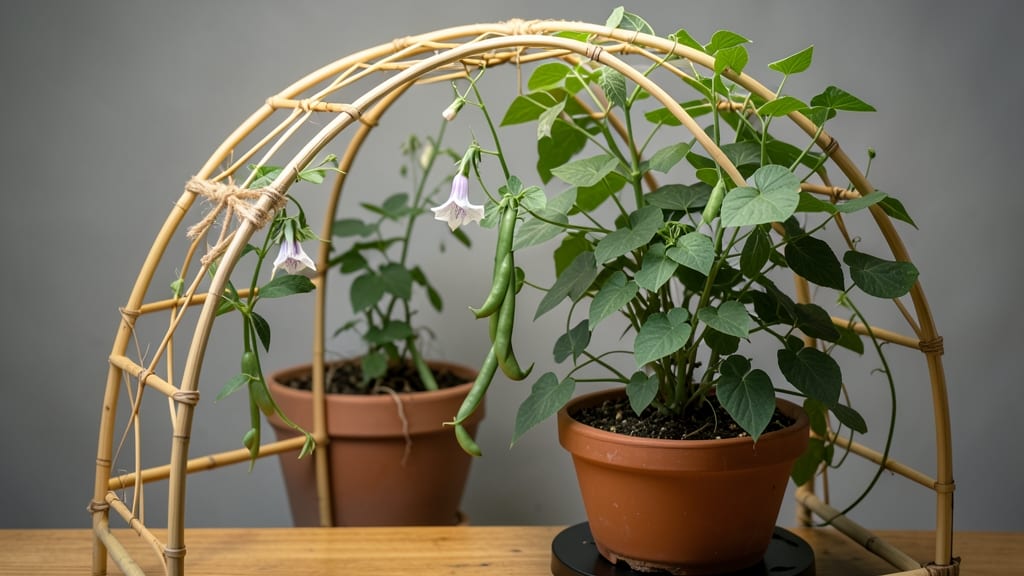
Growing green beans indoors might sound tricky, but I’ve harvested crisp, homegrown beans in my kitchen using just a 5-foot-tall tower and a grow light. 🌱 The secret isn’t fancy equipment—it’s matching their needs to your space, even without a sunny window.
Green beans thrive in 5-7 hours of light daily, so a simple LED grow bulb or south-facing window works. Use a 5-gallon container with well-draining soil, and plant seeds 1 inch deep, 2 inches apart.
They’ll climb a trellis or tower, saving space while producing pounds of beans in just 60 days.
Water when the top inch feels dry, and pinch off flowers if you want longer beans. Harvest every 2-3 days to keep production going—fresh-picked beans taste sweeter than store-bought. Troubleshoot yellow leaves by checking light or water, and watch for spider mites if the air feels dry.
This method works year-round, even in apartments. Start with 3-4 plants to test your setup, and scale up once you see how much you’ll eat. No garden? No problem—your kitchen can be the harvest spot!
📚 In This Guide
- What you need
- Instructions
- Tips and common mistakes
- Wrapping up and next steps
What you need
- ● Green bean seeds: Choose bush or pole varieties (e.g., 'Blue Lake' or 'Contender'). Start with 3–5 seeds per tower for a decent yield.
- ● Growing tower or container: A 5–10 gallon fabric grow bag (like those for hydroponics) or a deep 5-gallon bucket with drainage holes (minimum 12–18 inches tall).
- ● Growing medium: A lightweight, well-draining mix—opt for a blend of 50% coco coir or peat moss and 50% perlite or vermiculite (about 3–5 gallons per tower).
- ● Grow lights: A full-spectrum LED grow light (e.g., 15W–20W) with adjustable height. Position it 6–12 inches above plants for 12–16 hours/day.
- ● Support system: For pole beans, add a trellis, bamboo stakes, or a spiral cage (install early to avoid root disturbance).
- ● Fertilizer: A balanced liquid fertilizer (e.g., 10-10-10) or compost tea for nutrient boosts. Dilute to half-strength and apply every 2–3 weeks.
- ● Humidity tray: A shallow tray with pebbles and water to increase air moisture (especially useful in dry climates).
- ● pH test kit: To monitor soil pH (ideal range: 6.0–7.0).
- ● Insecticidal soap or neem oil: For preventive pest control (green beans attract aphids!).
Step-by-step instructions for growing green beans indoors
Here's the method I've perfected for thriving green beans without natural sunlight—using just the right setup and care.
🌱 Step 1: Select Containers and Prepare Growing Medium
For four plants, choose two 12-inch deep containers with drainage holes—green beans need deep roots to climb and store nutrients. I use fabric grow bags because they breathe better than plastic and prevent root circling. Fill each container with 3 gallons of lightweight potting mix blended with 1 cup perlite for aeration.
Moisten the mix until it feels like a wrung-out sponge—damp but not soggy. Press it down lightly to remove air pockets, then create a 2-inch deep trench along one side of each container. This trench will guide the bean plants to climb naturally. Here's the thing—green beans are sensitive to compacted soil, so don't pack it too tightly.
🌿 Step 2: Plant Seeds and Install Support Structure
Place 4-5 seeds per trench, 1 inch deep and 2 inches apart. Green bean seeds germinate best at 75-80°F, so I use a seedling heat mat for the first week. Cover the trench with ½ inch of soil, then gently water until the surface feels evenly moist.
Install a 5-foot tall trellis or tower in each container immediately—beans grow fast and need vertical support. I use metal mesh towers because they're sturdy and let roots grow through naturally. Place the trellis along the trench so vines can climb upward as they emerge. Watch for first sprouts in 7-14 days—they'll push through the soil with surprising speed.
☀️ Step 3: Provide Grow Lights and Control Humidity
Green beans need 12-14 hours of light daily for strong growth. Position full-spectrum LED grow lights 6-8 inches above the plants and set a timer for consistent lighting. I adjust the height weekly as vines climb—too close causes leaf burn, too far makes them leggy.
Maintain 60-70% humidity with a small humidifier or by placing a tray of water near the plants. You'll know humidity is right when leaves stay plump and don't curl at the edges. Green beans are heavy feeders, so after true leaves appear (2-3 weeks), mix ½ teaspoon of 10-10-10 fertilizer into the top inch of soil and water deeply.
💧 Step 4: Water and Prune for Continuous Harvest
Water when the top 1-2 inches of soil feel dry—green beans wilt quickly if thirsty. I water at the base in the morning to prevent fungal issues. As vines climb, prune side shoots that form at leaf junctions to encourage upward growth and more pods. You'll see first flowers in 4-6 weeks, followed by beans in 2-3 weeks after flowering.
Harvest beans every 2-3 days to keep production going—pods left too long become tough and woody. Pick in the morning when pods are firm and crisp. If you notice yellowing leaves, it's usually overwatering or nutrient deficiency. Cut back water slightly and feed with a liquid fertilizer to revive the plant.
⏰ Step 5: Extend the Season with Proper Care
Green beans produce for 6-8 weeks before slowing down. To prolong harvests, replace old plants with a new batch every 2-3 weeks using the same method. Keep lights and humidity consistent, and watch for aphids or spider mites—wipe leaves with soapy water at the first sign of pests.
When growth slows, reduce watering gradually and let the soil dry slightly between waterings. With proper care, you can enjoy continuous harvests for months—even without natural sunlight. The key is consistency in light, water, and pruning. Here's the reward: fresh, tender green beans straight from your indoor garden.
Tips & tricks for perfect indoor green bean growth
Here's what I've learned after growing green beans indoors for years—these tricks make all the difference between struggling plants and a thriving harvest.
Container Selection: Fabric grow bags are my go-to because they prevent root circling, but if you don't have them, use any container with drainage holes that's at least 12 inches deep. I've had great success with repurposed buckets too—just make sure they're clean and sanitized first. The key is that green beans need room to stretch their roots downward, so deeper is always better than wider.
Lighting Strategy: Those 12-14 hours of daily light are non-negotiable, but here's my secret: I use two LED grow lights on a timer that automatically adjusts height as the plants grow. Start with lights 6-8 inches above the plants, then raise them weekly. Too close causes leaf burn, and too far makes plants stretch toward the light. I also rotate the containers daily to ensure even growth—this prevents lopsided plants reaching for the light source.
Germination Boost: That 75-80°F temperature range is critical for germination, but if your space runs cooler, try placing the containers on a seedling heat mat for the first week. I've even used a simple heating pad covered with a towel when I didn't have a dedicated heat mat. Once sprouts appear, you can remove the heat source—they'll tolerate normal room temperatures just fine after that initial boost. Watch for those first sprouts between 7-14 days, and don't be surprised if they pop up faster than expected!
Pruning Technique: When pruning those side shoots in Step 4, here's what I do: I use clean, sharp scissors to cut just above the leaf junction where the side shoot emerges. This encourages the plant to focus energy on upward growth and pod production. I prune every 2-3 weeks as the vines climb, always keeping the main stem clear for maximum vertical growth. The goal is to create a single strong vine with plenty of pods rather than a bushy plant with lots of leaves but few beans.
Pro Tips for Growing Green Beans Indoors
- Here's what I've learned after growing green beans indoors for years—these tricks make all the difference between str...
- Container Selection: Fabric grow bags are my go-to because they prevent root circling, but if you don't have them, us...
- Lighting Strategy: Those 12-14 hours of daily light are non-negotiable, but here's my secret: I use two LED grow ligh...
Frequently asked questions
Got questions about growing green beans indoors? You’re not alone! Here are some of the most common concerns—and their easy solutions.
Can I grow green beans indoors without sunlight?
Yes! Green beans thrive under grow lights (LED or fluorescent) for 12–16 hours daily. Place lights 6–12 inches above plants and adjust as they grow. South-facing windows may work in bright climates, but supplement with lights for consistent growth.
How long does it take for indoor green beans to mature?
Indoor green beans typically mature in 50–60 days for bush varieties or 60–70 days for pole beans. Start with fast-maturing varieties like ‘Blue Lake’ or ‘Contender’ for quicker harvests. Monitor soil moisture and light exposure to speed up growth!
What if my indoor beans taste bland or starchy?
Bland flavor often means insufficient light or nutrients. Boost flavor by:
- Using full-spectrum grow lights (12+ hours/day).
- Fertilizing with balanced organic fertilizer (10-10-10) every 3–4 weeks.
- Harvesting young pods (4–6 inches long) for sweeter taste.
Why are my indoor green beans wilting or yellowing?
Wilting or yellow leaves usually signal overwatering, underwatering, or nutrient deficiencies. Check soil moisture (top inch should be dry), ensure proper drainage, and adjust watering. Yellow leaves? Try a chelated iron supplement or switch to a calcium-rich fertilizer.
What’s the best indoor setup for green beans if I have limited space?
Opt for vertical growing towers or hanging baskets to save space. Pole beans (like ‘Kentucky Wonder’) climb 6+ feet, while bush beans (like ‘Derby’) stay compact. Use a 5-gallon container or fabric grow bag for each plant, and rotate pots weekly for even light exposure.
Wrapping up and next steps
Growing green beans indoors isn’t just possible—it’s a rewarding way to enjoy fresh, homegrown produce year-round! With the right setup, like compact towers or containers, you can bypass sunlight struggles and still harvest crisp, flavorful beans.
Whether you’re a beginner or a seasoned gardener, this method proves that space and creativity are all you need to grow your own.
Ready to take the next step? Start small—pick a container, gather your supplies, and plant those seeds! Soon, you’ll be savoring the taste of homegrown green beans, no matter the season. Happy growing! 🌱