
Container Gardens
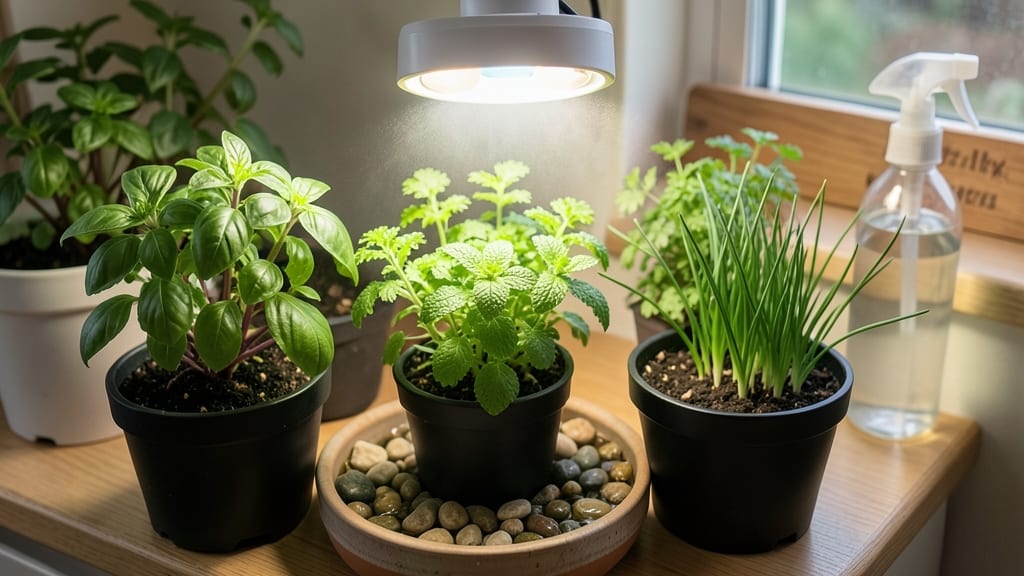
Growing herbs indoors without sunlight isn't just possible—it's a game-changer for city apartments and dim offices. 🌿 I've turned my kitchen windowsill into a lush herb garden using just a basic grow light and a few simple tricks that work for basil, mint, and parsley.
The secret lies in the right setup: a compact LED grow light (or even a bright desk lamp) placed 6-12 inches above your plants, paired with reflective surfaces like aluminum foil to bounce extra light onto leaves.
Watering becomes more precise too—let the top inch dry out between waterings to avoid soggy roots that invite pests. By week 3, you'll see vibrant green growth that rivals outdoor plants. The fragrance alone makes it worth the effort, and you'll never buy wilted store herbs again.
Even my black thumb can't kill these with the right care. Works for any indoor space, from sunny balconies to dark basements. Let's get those herbs thriving!
📚 In This Guide
- What you need
- Instructions
- Tips and common mistakes
- Wrapping up and next steps
What you need
- ● Herb seeds or seedlings – Choose fast-growing varieties like basil, mint, parsley, or chives (start with 3–5 plants for a small setup).
- ● Containers – 4–6" deep pots with drainage holes (1–2 per herb type; terracotta or fabric pots work best).
- ● Well-draining potting mix – A lightweight, organic blend (e.g., 60% coco coir, 30% perlite, 10% worm castings).
- ● Grow lights – A full-spectrum LED grow light (12–15 watts per square foot) or a smart bulb (like Philips Hue Grow). Pro tip: 💡 Place lights 6–12 inches above plants for optimal growth!
- ● Timer – A plug-in light timer to provide 12–16 hours of light daily (mimics sunlight cycles).
- ● Misting bottle (for humidity-loving herbs like basil).
- ● pH testing kit (ideal soil pH: 6.0–7.0).
- ● Humidity dome or tray (to retain moisture in dry climates).
- ● Fertilizer (balanced liquid fertilizer, diluted to half-strength).
- ● Pruning shears (for trimming and encouraging bushier growth).
- ● Temperature: Keep herbs in a 65–75°F (18–24°C) range (avoid drafts or heaters).
- ● Humidity: Aim for 40–60% (use a humidifier or pebble tray if needed).
- ● Ventilation: A small fan on low (2–3 hours/day) prevents mold and strengthens stems.
Step-by-step instructions for growing herbs indoors without sunlight
Here’s how to grow four lush herb pots using just artificial light and basic supplies.
🪴 Step 1: Choose the Right Containers and Soil Mix
Pick 4-inch diameter pots with drainage holes for each herb—herbs hate soggy roots. I use terra cotta because it breathes and prevents overwatering. Fill each pot with premium potting mix (never garden soil—it compacts and suffocates roots). Tap the pot gently to settle the soil, then water lightly until the mix feels damp but not dripping.
Add a tablespoon of slow-release fertilizer to each pot to give your herbs a nutrient boost right from the start. This ensures they have everything they need while you wait for the first true leaves to appear. The soil should feel like a damp sponge—if it crumbles, add a little more water.
🌱 Step 2: Select and Plant Your Herb Starts
Choose four easy-to-grow herbs like basil, parsley, chives, or mint—they thrive indoors with artificial light. Plant one young herb per pot, burying the stem up to the first set of leaves. Press the soil gently around the base to remove air pockets, but don’t pack it down too hard.
If you’re starting from seed, sprinkle 2-3 seeds per pot at a depth of ¼ inch, then cover lightly with soil. Mist the surface with water until it’s evenly damp. Place the pots in a warm spot (around 70°F) until sprouts appear—usually within 7-10 days. Overwatering now will drown the seeds, so wait until the top inch of soil feels dry before watering again.
☀️ Step 3: Set Up Your Artificial Light System
Place the pots under a full-spectrum LED grow light (12-16 inches above the plants) for 12-14 hours daily. Herbs need bright light to stay compact and flavorful—without it, they’ll stretch and turn leggy. Adjust the light height as the plants grow, keeping it close enough to see shadows but not touching the leaves.
I use a simple clip-on LED bulb for my windowsill setup—it’s affordable and fits perfectly over my pots. If your herbs start leaning toward the light, rotate the pots a quarter turn daily so they grow straight and sturdy. You’ll notice leaves turning darker green within a week—that’s your sign the light is working.
💧 Step 4: Water and Maintain for Healthy Growth
Water when the top inch of soil feels dry—stick your finger in to check. Herbs like consistent moisture but hate sitting in water. I use a spray bottle for gentle watering, avoiding the leaves to prevent fungal issues. After watering, let excess moisture drain completely—no soggy bottoms!
Fertilize every 4-6 weeks with a balanced liquid fertilizer (like 10-10-10) to keep your herbs thriving. Watch for yellowing leaves—that’s usually a sign of overwatering or nutrient deficiency. If you see pests like spider mites, wipe the leaves with a damp cloth and isolate the plant until they’re gone.
✂️ Step 5: Harvest and Encourage Continuous Growth
Start harvesting basil and parsley when they reach 3-4 inches tall—pinch back the top sets of leaves to encourage bushier growth. For chives and mint, snip the outer stems when they’re 4-6 inches high. Always cut just above a leaf node so new growth can sprout.
Here’s the trick: Never harvest more than a third of the plant at once. If you do, your herbs will look stressed and take forever to recover. Instead, snip little by little, and you’ll have fresh herbs all season long. With the right light and care, your indoor herb garden will stay productive for months!
Tips & tricks for growing herbs indoors without sunlight
Let me share the little tricks that'll turn your kitchen counter into a thriving herb garden—no sunlight required!
Light Placement: Position your grow light so it's 12-16 inches above the plants, but don't be afraid to adjust as they grow. I like to keep it close enough that I can see distinct shadows on the leaves when I hold my hand between the light and plants. This ensures they get the full spectrum without burning. The 12-14 hours of daily light is non-negotiable—set a timer to remind you to turn it on and off consistently.
Soil Preparation: Before planting, I give my premium potting mix a quick boost by mixing in one tablespoon of slow-release fertilizer per pot. This prevents nutrient deficiencies right from the start. For extra insurance, I add a handful of perlite to improve drainage—herbs hate soggy roots! Tap the pot gently after filling to eliminate air pockets, then water just until the mix feels like a damp sponge. This ensures even moisture distribution from day one.
Seed Starting Secret: When planting seeds at ¼ inch deep, I use a toothpick to make small holes in the soil first. This prevents crushing the seeds and gives them room to sprout upward. After planting, I cover the pots with plastic wrap to create a mini greenhouse effect—this keeps moisture in while the seeds germinate. Remove the wrap once sprouts appear, usually within 7-10 days at 70°F.
Harvesting Technique: When harvesting basil and parsley at 3-4 inches tall, I always make my cuts at a 45-degree angle just above a leaf node. This creates a larger surface area for new growth while preventing water from pooling on the cut. For chives and mint, I snip the stems at 4-6 inches and use them immediately in recipes—they wilt fastest after cutting. The "never harvest more than a third" rule is golden: your herbs will thank you with bushier growth!
Pro Tips for Growing Herbs Indoors Without Sunlight
- Let me share the little tricks that'll turn your kitchen counter into a thriving herb garden—no sunlight required!
- Light Placement: Position your grow light so it's 12-16 inches above the plants, but don't be afraid to adjust as they grow.
- Soil Preparation: Before planting, I give my premium potting mix a quick boost by mixing in one tablespoon of slow-release fertilizer per pot.
Frequently asked questions
Got questions about growing herbs indoors without sunlight? You’re not alone! Here are answers to the most common concerns—so you can keep your green friends happy, even in low-light spaces.
Can I grow herbs indoors without sunlight?
Herbs like basil, mint, and parsley thrive with artificial grow lights (LED or fluorescent) for 12–16 hours daily. Just mimic natural sunlight by placing lights 6–12 inches above plants. Avoid window sills—most indoor spaces lack sufficient natural light for long-term growth.
How long does it take for herbs to grow indoors under artificial light?
With proper care, herbs like cilantro and chives sprout in 1–2 weeks, while basil or rosemary may take 4–6 weeks to mature. Speed up growth by using full-spectrum LEDs and maintaining consistent light cycles. Patience pays off—harvest small leaves to encourage bushier growth!
What’s the best artificial light for indoor herbs?
Opt for LED grow lights (energy-efficient, heat-free) or fluorescent bulbs (budget-friendly). Avoid incandescent lights—they emit too much heat. For large setups, smart grow lights with adjustable spectra (red/blue) boost yields. Pro tip: Rotate plants weekly for even light exposure!
Why are my indoor herbs turning yellow or leggy?
Yellow leaves? Overwatering or nutrient deficiency (use a balanced liquid fertilizer). Leggy stems? Your herbs need more light—move them closer to the bulb or extend light hours. Check soil moisture (keep it slightly damp, not soggy) and trim leggy stems to encourage compact growth.
Can I reuse soil from outdoor herb pots indoors?
Not ideal! Outdoor soil may harbor pests or diseases. Instead, use a sterile, well-draining potting mix (add perlite or vermiculite for aeration). Repurpose outdoor soil by composting it first or mixing it with fresh mix only if disease-free. Always sanitize containers with soap and water.
Wrapping up and next steps
Growing herbs indoors without sunlight isn’t just possible—it’s empowering! 🌱 With the right setup, you can enjoy fresh basil, mint, or parsley year-round, even in tiny spaces. Start small, experiment with light sources, and don’t hesitate to tweak your approach until you find what works best.
Your next step? Pick one herb to try this week—whether it’s a sunny windowsill hack or a grow light experiment. Watch your green thumb grow, and soon, you’ll be sharing homegrown flavors with confidence! 🌟