
Container Gardens
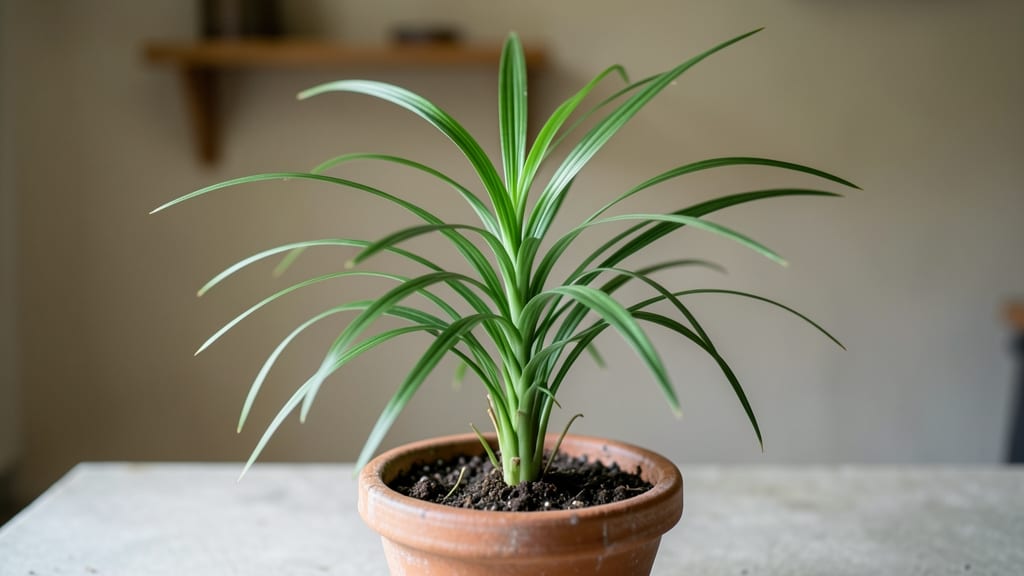
Growing lemongrass indoors brings that bright citrus aroma straight to your kitchen without needing a sunny yard. 🌿 I've kept mine thriving on a windowsill for years, and the secret is simpler than you'd think—just the right pot, soil, and a little patience.
The first time I snipped fresh stems for my tea, I realized how easy this fragrant staple could be, even in small spaces.
You'll need a 6-inch-wide pot with drainage, well-draining potting mix, and a spot with 4-6 hours of indirect light daily. Lemongrass hates soggy roots, so let the top inch dry out between waterings.
The real magic happens when you see those tight, grass-like clumps pushing out new shoots—proof you're doing it right. Most people overwater, but lemongrass is surprisingly forgiving if you keep it slightly dry.
Harvesting is the best part: snip stems just above a node (where leaves grow) whenever they reach 12-18 inches tall, and they'll keep producing. The lemony scent gets stronger as the plant matures, and you'll have enough for cooking, teas, or even homemade cleaning products.
My plants last 2-3 years with proper care, and I've never had pests bother them indoors.
If your plant starts looking leggy, it needs more light—try a grow bulb if natural light is weak. Yellow leaves usually mean overwatering, so adjust your schedule. The key is consistency: lemongrass is low-maintenance once you find its rhythm.
Before you know it, you'll have a steady supply of fresh, fragrant stems right on your countertop.
📚 In This Guide
- What you need
- Instructions
- Tips and common mistakes
- Wrapping up and next steps
What you need
- ● Lemongrass stalks: 3–5 fresh, healthy stalks (preferably with roots or at least 3–4 inches of the base). Look for plump, green stalks with no brown spots.
- ● Containers: 1–2 6–8 inch pots (with drainage holes) or a 12-inch container if growing multiple stalks.
- ○ Grow bags (optional, for easy transplanting later).
- ● Potting mix: 1–2 bags of well-draining, peat-based or coconut coir mix (avoid heavy garden soil). Add perlite or sand (1 part perlite to 3 parts soil) for extra drainage.
- ● Drainage: A layer of pebbles or broken pottery (1–2 inches) at the bottom of the pot to prevent root rot.
- ● Watering can or spray bottle: For gentle hydration (lemongrass hates soggy roots!).
- ○ Fertilizer (optional but helpful): Balanced liquid fertilizer (10-10-10 or 20-20-20), diluted to half-strength.
- ● Slow-release granules (like osmocote) mixed into the soil at planting.
- ● Light: Bright, indirect sunlight (3–6 hours daily). A south- or west-facing window works, or use a grow light (12–14 hours/day) if natural light is limited.
- ● Temperature: Keep in a warm spot (65–90°F). Avoid drafts or cold windowsills.
- ○ Humidity: Lemongrass loves moisture! Use a humidifier or place the pot on a pebble tray with water (optional but recommended).
- ● Patience: Stalks may take 4–6 weeks to show new growth. Don’t give up!
Step-by-step instructions for growing lemongrass indoors
Here's the straightforward method I use to grow vigorous, fragrant lemongrass indoors with just a few hours of light.
🌱 Step 1: Select and Prepare Your Lemongrass Starter
Start with a healthy 3-4 inch lemongrass stalk from a grocery store or nursery—look for fresh, firm stems with tight, green leaves at the top. Trim off the bottom 2 inches of root (if present) and cut the stalk just above a leaf node where new roots will emerge.
Place the cut end in a glass of warm water (about 70-75°F) so the bottom 1 inch of the stalk is submerged. Change the water every 2-3 days to prevent bacterial growth. Within 2-3 weeks, you'll see white roots forming along the submerged portion—that's your signal it's ready to plant.
🪴 Step 2: Plant in Well-Draining Soil
Fill a 6-inch pot with a mix of 50% potting soil and 50% perlite or coarse sand to ensure excellent drainage. Lemongrass roots rot easily in soggy conditions. Gently remove your rooted stalk from the water and plant it so the bottom 2 inches are buried while keeping the top leaves above soil level.
Press the soil lightly around the base to secure the plant but don't compact it. Water immediately after planting until water runs freely from the drainage hole. Place the pot in a location with bright, indirect light—a south- or east-facing window works best. You'll know the light is right when new leaves emerge with a vibrant green color.
☀️ Step 3: Provide Consistent Light and Water
Lemongrass thrives with 4-6 hours of indirect sunlight daily. If your space gets less light, supplement with a grow light positioned 12-18 inches above the plant for 10-12 hours daily. Too little light causes leggy growth with pale leaves, while too much direct sun scorches the foliage.
Water when the top inch of soil feels dry—typically every 5-7 days, depending on your home's humidity. Stick your finger in the soil to check; if it's still damp, wait another day. Overwatering is the fastest way to kill lemongrass, so always ensure excess water drains away completely.
✂️ Step 4: Harvest and Encourage Regrowth
You can start harvesting when your plant reaches 12-18 inches tall. Cut stems just above a leaf node using clean scissors, leaving at least 6 inches of growth remaining. The plant will regrow from the base, producing new shoots within 2-4 weeks—this is how you get continuous harvests.
Here's the thing—lemongrass grows best when slightly crowded. After a few harvests, you may have multiple stalks emerging. Thin them to 3-4 healthy stems per pot to prevent overcrowding. If your plant outgrows its pot (usually after 6-8 months), transplant it to a 1-gallon container with fresh soil to keep it thriving.
Tips & tricks for perfect indoor lemongrass growth
These simple strategies will help you cultivate vibrant lemongrass indoors with minimal effort—no green thumb required.
Root Development: When you notice white roots forming after the 2-3 weeks in water, it's time to plant—but don't rush! Wait until you see roots at least 1 inch long along the submerged portion. This ensures your lemongrass will establish itself quickly in soil. I've found that patience here pays off with stronger plants that handle transplanting better.
Soil Mix Matters: The 50-50 mix of potting soil and perlite/sand is non-negotiable for lemongrass. The perlite prevents compaction and mimics the tropical conditions lemongrass thrives in. If you're short on perlite, coarse sand works just as well—just avoid fine sand that can clog drainage. This mix prevents the soggy conditions that cause root rot, which is the #1 killer of indoor lemongrass.
Light Positioning: For the 4-6 hours of indirect sunlight, position your plant within 2 feet of the window. If you notice leaves stretching toward the light (a sign of legginess), rotate the pot a quarter turn daily so all sides get even exposure. This creates a bushier, more compact plant. For grow lights, keep them 12-18 inches above and use a timer to maintain consistent 10-12 hours of light daily.
Harvesting Technique: When cutting your 12-18 inch stalks, always make your cuts just above a leaf node—you'll see these as the small bumps where leaves emerge. This encourages new growth from that exact spot. I like to harvest every 6-8 weeks to maintain continuous production. The plant will reward you with fresh regrowth within 2-4 weeks after each cut.
Pro Tips for Growing Lemongrass Indoors
- These simple strategies will help you cultivate vibrant lemongrass indoors with minimal effort—no green thumb required.
- Root Development: When you notice white roots forming after the 2-3 weeks in water, it's time to plant—but don't rush!
- Soil Mix Matters: The 50-50 mix of potting soil and perlite/sand is non-negotiable for lemongrass.
Frequently asked questions
Got questions about growing lemongrass indoors?
You’re not alone! Here are answers to the most common concerns—from light needs to harvest timing—so you can grow this fragrant herb like a pro.
How much light does lemongrass really need indoors?
Lemongrass thrives in bright, indirect light (4–6 hours daily). A south- or west-facing window works best, but a grow light (12–14 hours/day) can save your plants if natural light is weak. Avoid harsh direct sun—it scorches the leaves!
How long does it take for lemongrass to grow indoors?
From seeds, expect 3–6 months for harvestable stalks. If you start with a young plant (3–4 inches tall), you can snip the outer stalks in 8–12 weeks. Patience pays off—lemongrass grows slower indoors than outdoors.
Can I regrow lemongrass from store-bought stalks?
Yes! Save the 3-inch bottom stub of a store-bought stalk, trim the leaves, and place it in water or moist soil. Roots form in 2–4 weeks. Just avoid the dry, woody base—it won’t regrow. Pro tip: Use a humidity dome to speed up growth!
Why is my lemongrass turning yellow or brown?
Yellow leaves often mean overwatering (check soil moisture—it should stay damp but not soggy). Brown tips? Low humidity or fluoride in tap water (use filtered water instead). Pests like spider mites (tiny webs!) can also strike—spray with neem oil if needed.
How do I harvest lemongrass indoors without killing the plant?
Cut stalks 3–4 inches from the base, leaving the inner core intact. Harvest outer stalks first to encourage regrowth. Avoid taking more than ⅓ of the plant at once. Store stalks in water or wrap them in a damp towel in the fridge for up to 2 weeks!
Wrapping up and next steps
Growing lemongrass indoors is a rewarding and fragrant adventure that anyone can enjoy—even with limited space or sunlight! 🌿 With just a few supplies, patience, and a little care, you’ll soon have fresh, zesty lemongrass ready for cooking or tea.
The key is consistency: keep it hydrated, provide bright (but indirect) light, and trim regularly to encourage growth.
Now that you’re armed with the know-how, why not take the plunge? Start with a single stalk and watch your indoor herb garden flourish. Happy growing! 🌱