
Container Gardens
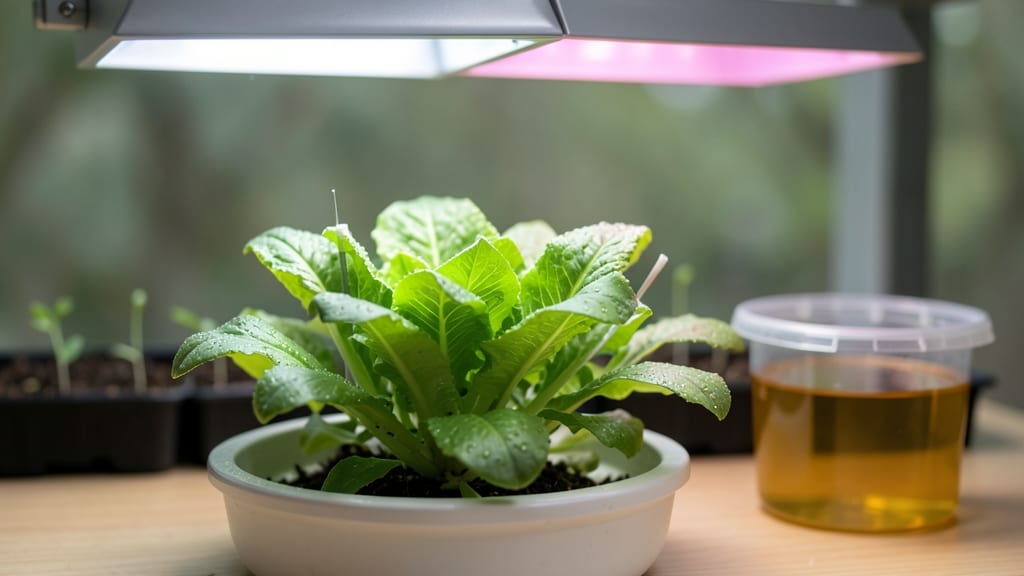
Growing lettuce indoors means crisp, homegrown greens year-round—no garden required. 🌱 I’ve grown lettuce in my kitchen for years, and the secret isn’t fancy equipment but matching light, soil, and patience to what lettuce actually needs.
Most people overwater or give it too little light, but with the right setup, you’ll harvest in just 3-4 weeks—faster than store-bought lettuce wilts.
The trick is 6 hours of bright light daily, either from a sunny window or a basic grow light. Lettuce thrives in shallow containers (think 6 inches deep) with well-draining soil, and it hates soggy roots—water only when the top inch feels dry.
My favorite varieties for indoor growing are butterhead and romaine; they bolt slower in cooler indoor temps than heat-loving romaine.
By week 3, you’ll be snipping outer leaves for salads, and the plants keep producing for 4-6 weeks if you harvest gently. The first batch will taste shockingly fresh—nothing like the sad, wilted heads from the grocery store.
Plus, you avoid pesticides and get to experiment with heirloom varieties you’d never find in stores.
This method works for apartments, offices, or even a sunny bathroom—anywhere with consistent light. The biggest mistake? Letting plants get leggy from insufficient light. If that happens, just trim the tops and replant the bases—they’ll regrow like magic. Ready to start your indoor lettuce patch?
📚 In This Guide
- What you need
- Instructions
- Tips and common mistakes
- Wrapping up and next steps
What you need
- ● Lettuce seeds: Choose cold-hardy varieties like Buttercrunch, Romaine, or Leaf Lettuce (1 packet, ~50-100 seeds).
- ● Growing container: A shallow tray (6–8 inches deep) or pot with drainage holes (minimum 12" x 12" for 4–6 plants).
- ● Potting mix: Lightweight, well-draining soil blend (1–2 bags, ~1–2 cubic feet). Avoid garden soil—it compacts too easily!
- ● Grow lights or sunny windowsill: LED grow lights: Full-spectrum bulb (15–20W) or a clip-on light (~$20–$40).
- ● Sunny spot: South-facing window with 6+ hours of direct light daily.
- ● Watering can or spray bottle: With a gentle nozzle to avoid disturbing seedlings.
- ○ Plant labels: Small sticks or markers to track varieties (optional but helpful!).
- ● Seed-starting kit: Includes trays, domes, and mesh for humidity control (~$15–$30).
- ● Fertilizer: Balanced liquid fertilizer (5-5-5 or 10-10-10) or compost tea for a nutrient boost.
- ● Humidity dome or plastic wrap: To retain moisture while seeds germinate.
- ● Thermometer/hygrometer: Monitors temperature (ideal: 60–70°F) and humidity (50–70%).
- ● Pruning shears: For harvesting outer leaves without damaging the plant.
Step-by-step instructions for growing lettuce indoors
Here's how to grow crisp, flavorful lettuce year-round without a greenhouse—just a sunny windowsill and these simple steps.
🌱 Step 1: Choose the Right Lettuce Varieties and Containers
Start with cut-and-come-again varieties like leaf lettuce or butterhead—they regrow after harvest and thrive in limited space. Avoid head lettuce like romaine or iceberg; they need more room and light. Use 6-inch diameter containers with drainage holes for each plant, or a single 12-inch pot for multiple seedlings spaced 4 inches apart.
I like to use shallow, wide pots because lettuce has a shallow root system. If you're planting seeds, choose a container that's at least 2 inches deep—deeper pots just waste space. Fill the bottom with a layer of pebbles or broken pottery to prevent soil from clogging the drainage holes. This keeps roots healthy and prevents soggy soil, which is lettuce's biggest enemy indoors.
💧 Step 2: Prepare the Soil and Plant Seeds
Fill your containers with a lightweight, well-draining potting mix—avoid garden soil, which compacts and suffocates roots. Moisten the soil until it's damp but not soggy, then press it down gently to create a firm planting surface. Lettuce seeds are tiny, so I use a toothpick or pencil to make small holes about ¼ inch deep.
Sow seeds 2-3 per hole—you'll thin to the strongest seedling later. Cover lightly with a sprinkle of soil, then mist gently with water until the surface looks evenly moist. Place the containers in a warm spot (65-70°F) until germination, which typically takes 7-14 days. You'll know it's working when you see tiny green sprouts pushing through the soil.
☀️ Step 3: Provide Optimal Light and Water
Lettuce needs 6 hours of bright light daily to stay crisp and avoid bolting (going to seed). A south-facing window works, but most homes don't have enough natural light. Supplement with a grow light placed 6-12 inches above the plants for 12-14 hours daily. You'll see leggy, pale growth if light is insufficient—adjust immediately by moving the light closer or extending the hours.
Water when the top inch of soil feels dry. Lettuce roots are shallow, so I water gently from the bottom by placing the pot in a tray of water for 10-15 minutes. This prevents disturbing the roots and ensures even moisture. Avoid overhead watering, which can spread disease. You'll know you're doing it right when the soil stays consistently moist but never waterlogged.
✂️ Step 4: Thin Seedlings and Harvest Regularly
Once seedlings have 2-3 true leaves (the second set after the initial sprouts), thin to the strongest plant per hole. Use scissors to snip weaker seedlings at the base—this prevents disturbing the roots of the ones you're keeping. Space remaining plants 4-6 inches apart to allow airflow and reduce disease risk.
Harvest outer leaves when they reach 3-4 inches tall by cutting just above a leaf node. This encourages regrowth and keeps your plants productive. You'll get 3-4 harvests per plant before the center bolts (sends up a flower stalk). If bolting happens, pull the plant and start fresh—it's a sign the lettuce is done for that cycle. Regular harvesting keeps your plants compact and flavorful.
🌿 Step 5: Maintain and Troubleshoot
Fertilize lightly every 4-6 weeks with a balanced liquid fertilizer diluted to half strength. Lettuce doesn't need much food, and over-fertilizing leads to bitter leaves. Watch for pests like aphids or slugs—remove them by hand or spray with soapy water if they appear. You'll spot trouble early by checking the undersides of leaves weekly for signs of damage.
If your lettuce starts to taste bitter, it's getting too much light or heat. Move it to a slightly cooler spot (55-65°F) and reduce light exposure to 4-5 hours daily for a few days. This resets the plant and brings back sweetness. With these adjustments, you'll enjoy fresh, crisp lettuce straight from your windowsill all year long.
Tips & tricks for perfect indoor lettuce growth
These practical insights will help you avoid common pitfalls and maximize your indoor lettuce harvest—no greenhouse required.
Light Management: The 6 hours of bright light is non-negotiable for crisp lettuce, but don't assume all light is equal. Position your plants within 12 inches of a south-facing window during winter months when sunlight is weaker. For grow lights, LED bulbs with a color temperature of 6500K mimic natural sunlight best—avoid warm white bulbs that encourage leggy growth. I've found that rotating pots ¼ turn daily ensures even light exposure and prevents plants from leaning toward the light source.
Germination Strategy: The 7-14 day germination window can feel like forever, but you can speed things up by using a heat mat set to 70°F underneath your seed trays. Keep the soil consistently moist during this period—use a spray bottle with room-temperature water to avoid shocking the tiny seeds. Confession: I skipped this step for years and wondered why my germination rates were so inconsistent. A humidity dome (even a plastic bag with holes) creates the ideal environment and can cut germination time by nearly half.
Thinning Technique: When thinning seedlings to the strongest plant per hole, I've learned that patience pays off. Wait until seedlings have at least 2 true leaves before thinning—this gives you a better chance of identifying the strongest specimen. Use clean scissors and cut at the base rather than pulling, which can damage remaining roots. The 4-inch spacing between plants might feel generous, but it's crucial for airflow and preventing fungal diseases that thrive in crowded conditions.
Harvesting Hack: For continuous harvests, I've developed a system where I mark the 3-4 inch height with a small flag or toothpick when first harvesting. This visual cue helps me judge when to harvest subsequent leaves without over-cutting. When bolting occurs, don't despair—pull the entire plant and compost it. The energy from this plant will feed your next batch, creating a natural cycle in your indoor garden.
Pro Tips for Growing Lettuce Indoors
- These practical insights will help you avoid common pitfalls and maximize your indoor lettuce harvest—no greenhouse r...
- Light Management: The 6 hours of bright light is non-negotiable for crisp lettuce, but don't assume all light is equa...
- Germination Strategy: The 7-14 day germination window can feel like forever, but you can speed things up by using a h...
Frequently asked questions
Got questions about growing lettuce indoors?
You’re not alone! Here are answers to the most common concerns—from speedy harvests to troubleshooting wilted leaves.
How long does it take to grow lettuce indoors?
With the right setup (like LED grow lights), you can harvest leaf lettuce in 4–6 weeks and head lettuce in 8–10 weeks. Use fast-maturing varieties like Buttercrunch or Black Seeded Simpson for quicker results. Pro tip: Succession planting (sowing new seeds every 2 weeks) ensures a steady supply!
Can I grow lettuce indoors without sunlight?
Lettuce thrives on 6–8 hours of artificial light daily—LED or fluorescent grow lights work best. Place lights 6–12 inches above the plants and adjust as they grow. No windowsill? A sunny south-facing spot (if available) can supplement, but lights are more reliable year-round. Warning: Avoid direct heat from bulbs to prevent bolting (premature flowering).
Why is my indoor lettuce turning bitter or bolting?
Bitter taste or bolting (sending up a flower stalk) usually means your lettuce is stressed. Common triggers:
- Too much light/heat: Keep temps 55–65°F and limit light to 6–8 hours.
- Not enough water: Soil should stay consistently moist (not soggy).
- Overcrowding: Thin seedlings to 2–3 inches apart for airflow.
For extra sweetness, harvest outer leaves instead of the whole head—this delays bolting! Fix it: Move plants to a cooler spot and reduce light if needed.
What’s the easiest lettuce variety for beginners?
Start with leaf lettuce (like Oakleaf or Red Sails)—they’re fast-growing, forgiving, and cut-and-come-again. Avoid Romaine or Iceberg for indoor setups; they’re slower and need more space. Bonus: Try Looseleaf varieties for zero bolting and continuous harvests! Pro tip: Check seed packets for "heat-tolerant" labels to avoid summer struggles.
Can I reuse soil or containers from previous indoor lettuce grows?
Reusing containers is fine, but sterilize soil first to prevent disease. Mix old soil with 20–30% fresh potting mix and add compost for nutrients. Skip reuse if:
Sanitize containers with a 10% bleach solution (rinse well) or soak in hot water. Upgrade: Use soilless mixes (like coco coir) for cleaner, pest-free grows.
Wrapping up and next steps
Growing lettuce indoors isn’t just possible—it’s easy, rewarding, and delicious! 🌱 With just a few hours of light, the right setup, and a little patience, you’ll enjoy crisp, homegrown greens year-round.
Whether you’re a beginner or a seasoned gardener, this method lets you harvest freshness without leaving your kitchen.
Ready to take the next step? Start small—try a single container or shelf—and experiment with varieties to find your favorite. Soon, you’ll be savoring homegrown salads with pride! 🥗✨