
Container Gardens
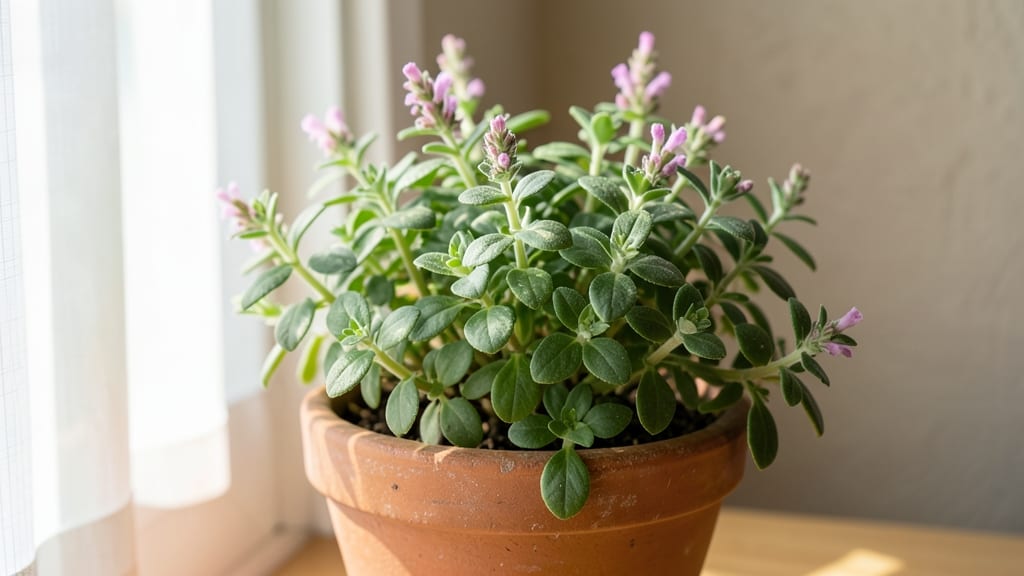
Growing oregano indoors means fresh, fragrant herbs on your windowsill year-round—no garden required. 🌿 I’ve grown oregano in kitchens with fluorescent lighting, and it thrives when you match its Mediterranean roots to indoor conditions.
The key is replicating its natural environment: bright light, well-draining soil, and just the right amount of water.
You’ll need a small pot (6 inches wide), potting mix designed for herbs, and a sunny spot—even an east-facing window works. Oregano hates soggy roots, so a terracotta pot helps prevent overwatering.
Start with a single plant or seeds, and within 4-6 weeks, you’ll have enough sprigs for cooking and sharing.
The payoff? A bushy, aromatic plant that keeps growing for years with minimal care. Pinch back leggy stems to encourage bushiness, and harvest regularly to keep it productive. The scent alone—earthy, slightly citrusy—makes it worth the effort.
Perfect for small spaces, city apartments, or anyone tired of store-bought herbs. Even if your light isn’t perfect, these tips will keep your oregano thriving indoors. Let’s get growing!
📚 In This Guide
- What you need
- Instructions
- Tips and common mistakes
- Wrapping up and next steps
What you need
- ● Oregano plant: Start with a healthy nursery-grown oregano plant (preferably Greek oregano for robust flavor) or organic seeds (if germinating from scratch).
- ● Container: A 5-7 inch diameter pot with drainage holes (terracotta or ceramic works best). For multiple plants, use a shallow, wide container (e.g., 12" x 12" tray) with 3-4" spacing between plants.
- ● Potting mix: A well-draining, sterile mix like cactus/succulent blend or add perlite/pumice (20-30%) to regular potting soil to prevent sogginess.
- ● Grow lights: A full-spectrum LED grow light (e.g., 12-15W bulb) or a clip-on LED light for small setups. Position 6-12 inches above the plant for 12-16 hours of light daily.
- ● Watering can: A spray bottle or small watering can with a narrow spout to avoid overwatering.
- ● Pruning shears: Sharp, clean scissors for trimming (sterilize with rubbing alcohol between uses).
- ● Humidity tray: A pebble tray with water to boost humidity (especially useful in dry climates).
- ● Fertilizer: Balanced liquid fertilizer (5-5-5 or 10-10-10) diluted to half-strength (use every 4-6 weeks in growing season).
- ● Self-watering system: Wick-based or reservoir pots to maintain consistent moisture.
- ● Support stake: A small bamboo stake if your oregano grows tall (though it’s typically bushy).
- ● Harvesting basket: A small mesh bag or bowl to collect fresh leaves without bruising them.
Step-by-step instructions for growing oregano indoors
Here's how I grow fragrant, bushy oregano year-round without relying on direct sunlight.
🪴 Step 1: Select and Prepare the Container
Choose a 6-inch diameter pot with drainage holes—oregano hates soggy roots. I use terracotta because it breathes and prevents root rot. Fill the bottom 1 inch deep with small gravel or perlite to improve drainage. This layer ensures excess water flows away immediately, which is critical for Mediterranean herbs.
Next, add 2 inches of cactus/succulent mix blended with 1 inch of perlite. Oregano thrives in gritty, well-draining soil that mimics its native rocky terrain. Press the mix down lightly with your fingers—just enough to remove air pockets but not compact it. The goal is loose, aerated soil that water can penetrate quickly.
🌱 Step 2: Plant Your Oregano Starter
Gently remove your oregano plant from its nursery pot and tease the roots apart if they're circling. Place it in the center of your prepared container, then fill around the sides with additional soil mix. Press lightly to eliminate air gaps, but don't pack it down—oregano roots need room to breathe. The soil surface should sit about ½ inch below the pot's rim to prevent spills during watering.
I always water immediately after planting to help settle the soil around the roots. Use room-temperature water and pour until it flows freely from the drainage holes. This initial soaking removes air pockets and establishes good root contact with the soil. Place the pot in a saucer to catch any excess water that drips through.
☀️ Step 3: Position for Optimal Indoor Light
Move your oregano to a spot with 6-8 hours of bright indirect light daily. A south-facing window works best, but I supplement with a 12-inch LED grow light on a timer for 14 hours per day when natural light is insufficient. Oregano won't tolerate dim corners—you'll see leggy growth and pale leaves if it's not getting enough light.
Rotate the pot ¼ turn weekly so the plant grows evenly toward all light sources. You'll notice the stems naturally lean toward the brightest side, so this simple rotation keeps the plant compact and bushy. Watch for leaves that look stretched or pale—this is your signal to move it closer to the light or increase the grow light's intensity.
💧 Step 4: Water and Fertilize Strategically
Let the top 1 inch of soil dry out completely between waterings—oregano is drought-tolerant and will wilt slightly before it's truly thirsty. When you water, do it thoroughly until water runs from the drainage holes. Empty the saucer immediately after 10 minutes to prevent root suffocation from sitting water.
Feed your oregano every 4-6 weeks during spring and summer with a ½-strength liquid fertilizer (I use fish emulsion). The key is "feed light, feed often"—over-fertilizing burns the roots and makes the plant soft and prone to disease. You'll know it's getting enough nutrients when new growth appears vibrant and the leaves stay a deep green color.
✂️ Step 5: Prune and Harvest for Bushier Growth
Pinch back the tips of new stems when they reach 3-4 inches tall to encourage branching. This simple pruning trick transforms leggy plants into dense, bushy bushes. Use clean scissors to snip just above a set of leaves where new growth will emerge. The plant will respond by sending out multiple side shoots within 2-3 weeks.
Harvest leaves regularly by snipping entire stems just above a leaf node. This encourages more growth and prevents the plant from becoming woody. Dry your harvest by hanging small bunches upside down in a dark, well-ventilated area for 1-2 weeks. You'll know it's ready when the leaves crumble easily between your fingers—a sure sign the oils have concentrated.
Tips & tricks for perfect indoor oregano growth
These battle-tested strategies will help you cultivate thriving oregano even when sunlight is scarce.
Container Selection: While terracotta is ideal, any pot with drainage holes will work—just avoid plastic, which traps moisture. I’ve successfully grown oregano in glazed ceramic pots by adding an extra ½ inch of gravel at the bottom for improved drainage. The key is preventing soggy roots, which is oregano’s biggest enemy. For larger plants, consider a slightly bigger pot (7-8 inches) to give roots room to spread.
Light Optimization: The 6-8 hours of bright indirect light is non-negotiable, but you can maximize it by placing your plant near a west-facing window where afternoon sun is strongest. If using a grow light, position it just 6-8 inches above the plant—closer than the suggested 12 inches—and adjust the timer to match your plant’s needs. Watch for leaves stretching toward the light; this means it needs more intensity or duration.
Soil Mix Secrets: For the cactus/succulent mix, I recommend adding a handful of coarse sand to improve drainage further. This mimics the rocky Mediterranean soil oregano thrives in. If you can’t find cactus mix, blend equal parts potting soil with perlite and coarse sand. The goal is soil that crumbles easily when dry—oregano roots need oxygen as much as water.
Pruning Payoff: When pinching back stems at 3-4 inches, make your cuts at a 45-degree angle just above a leaf node. This exposes more surface area for new growth to emerge. I’ve found that pruning every 6-8 weeks keeps my plants bushy and productive year-round. The 2-3 week regrowth window is your reward for patience—you’ll see dense foliage filling in where you pinched.
Pro Tips for Growing Oregano Indoors
- These battle-tested strategies will help you cultivate thriving oregano even when sunlight is scarce.
- Container Selection: While terracotta is ideal, any pot with drainage holes will work—just avoid plastic, which traps moisture.
- Light Optimization: The 6-8 hours of bright indirect light is non-negotiable, but you can maximize it by placing your plant near a west-facing window where afternoon sun is strongest.
Frequently asked questions
Got questions about growing oregano indoors?
You’re not alone! Here are answers to the most common ones to help you cultivate a thriving herb stash—even without a sunny windowsill.
How long does it take for indoor oregano to grow enough for harvesting?
With proper care, you can start harvesting small leaves in 4–6 weeks from planting seeds or 2–3 weeks after transplanting a nursery starter. For full, flavorful growth, wait 8–12 weeks—patience pays off with robust, aromatic leaves!
Can I grow oregano indoors without natural sunlight?
Use a grow light (LED or fluorescent) for 12–16 hours daily, keeping it 2–4 inches above the plant. South-facing windows work too, but supplement with artificial light if your space is dim. Pro tip: Rotate the pot weekly for even growth!
Why is my indoor oregano turning yellow or leggy?
Yellow leaves often mean overwatering (let soil dry slightly between waterings) or nutrient deficiency (use a balanced fertilizer every 4–6 weeks). Leggy growth? It’s craving more light—move it closer to a window or adjust your grow light setup.
What’s the best container size for indoor oregano?
Aim for at least 6–8 inches in diameter with drainage holes to prevent root rot. Oregano has shallow roots, so wider (not deeper) pots encourage bushier growth. Bonus: Terracotta pots help wick away excess moisture!
Can I use dried indoor-grown oregano the same way as store-bought?
Yes! Drying indoor oregano is easy—hang stems upside down in a dark, dry, well-ventilated spot for 2–3 weeks or use a dehydrator. The flavor may be slightly milder than wild oregano, but it’s perfect for cooking, teas, or homemade remedies.
Wrapping up and next steps
Growing oregano indoors is a rewarding journey—one that brings fresh, fragrant herbs right to your kitchen with minimal effort!
Whether you’re a seasoned gardener or a curious beginner, this aromatic plant thrives in containers, even without direct sunlight. Your next step? Grab those supplies, follow the steps, and watch your little oregano plant flourish into a lush, flavorful harvest. Happy growing—your taste buds will thank you! 🌿✨