
Container Gardens
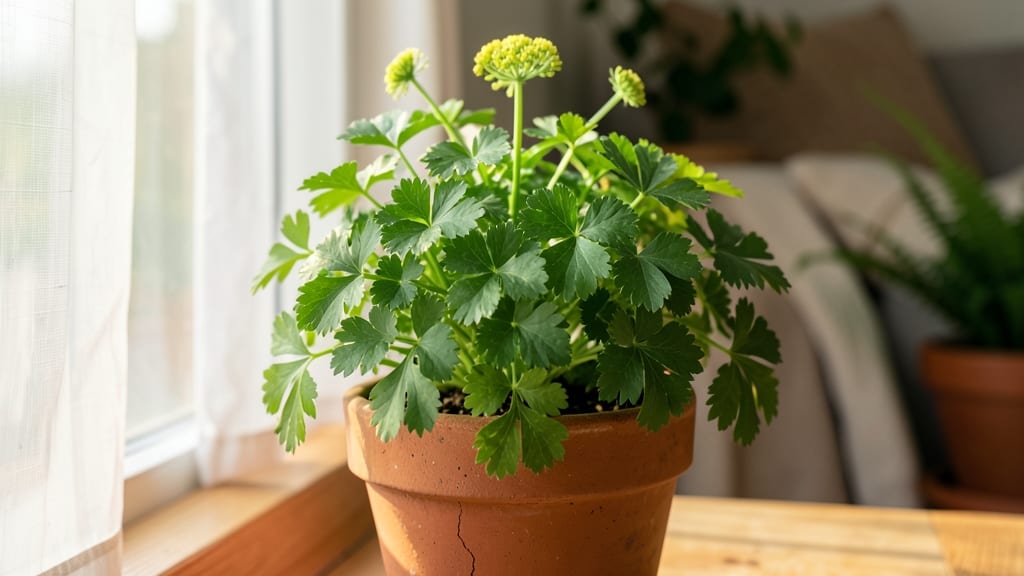
Growing parsley indoors transforms a sunny windowsill into a fragrant herb garden that never wilts. 🌿 I’ve grown parsley indoors for years—it’s the one herb that thrives where others fail, even in dimmer corners. The secret lies in understanding its light needs, soil preferences, and patience with slow growth.
You’ll need a 4-6 inch pot, well-draining potting mix, and a spot with 4-6 hours of indirect light daily. Parsley grows slowly but steadily, so don’t rush it—it prefers cooler temperatures and consistent moisture. Overwatering is the biggest mistake, but underwatering makes the leaves crisp and bitter.
By month three, you’ll have a lush, 4-6 inch tall plant ready for snipping. The flavor deepens as the plant matures, and you’ll never need to buy it again. It’s also pest-resistant and forgiving, making it perfect for beginners.
Works in kitchens, offices, or even bathrooms with the right care. Let’s get that parsley growing!
📚 In This Guide
- What you need
- Instructions
- Tips and common mistakes
- Wrapping up and next steps
What you need
- ● Parsley seeds or seedlings: Choose flat-leaf (Italian) or curly parsley—both work well indoors. Start with 3-5 seeds per pot (or 1-2 seedlings) for a lush harvest.
- ● Containers: Use pots with drainage holes (4-6 inches in diameter). Terracotta or fabric pots work best to prevent root rot.
- ● High-quality potting mix: Opt for a well-draining, seed-starting mix (avoid garden soil—it’s too dense!). A 5-gallon bag covers 2-3 pots.
- ○ Grow lights (optional but recommended): A full-spectrum LED grow light (12-15 watts per square foot) for 12-16 hours/day if natural light is limited.
- ● Misting bottle or spray nozzle: Keeps seeds/seedlings moist during germination.
- ● Fertilizer: A balanced liquid fertilizer (10-10-10 or 5-5-5) or fish emulsion (diluted to half-strength).
- ● Plant labels & marker: Track varieties and planting dates!
- ● Light: 6+ hours of bright, indirect light daily (south- or west-facing windows work best). Supplement with grow lights if needed.
- ● Temperature: Ideal range: 50–75°F (10–24°C). Avoid drafts or cold windowsills.
- ● Humidity: Parsley loves moderate humidity (40-60%). Group plants together or use a humidity tray if your home is dry.
- ● Water: Keep soil consistently moist but not soggy (bottom-watering helps!).
- ● Self-watering planters to maintain even moisture.
- ● Peat moss or perlite for improving drainage in dense mixes.
- ● Organic mulch (like straw) to retain soil moisture.
- ● A small fan for gentle airflow (reduces pests and strengthens stems).
- ● Pruning shears for harvesting leaves without damaging the plant.
Step-by-step instructions for growing parsley indoors
Here's how to cultivate vibrant parsley indoors—perfect for cooks who crave fresh flavor year-round.
🪴 Step 1: Choose the Right Container and Soil
Select a container with drainage holes at least 6 inches deep—parsley needs room for its taproot. I use terracotta pots because they wick away excess moisture, preventing root rot. Fill the bottom 1 inch with small pebbles or broken pottery to improve drainage.
Use a well-draining potting mix (never garden soil) blended with 20% perlite for aeration. Moisten the mix until it feels like a damp sponge—you shouldn’t see water pooling at the bottom. Parsley hates soggy roots, so drainage is non-negotiable.
🌱 Step 2: Plant Seeds at the Correct Depth
Parsley seeds are tiny and slow to germinate, so precision matters. Scatter 4-5 seeds per pot (since it produces 4 servings) about ¼ inch deep—they need light to germinate, so don’t bury them too deeply. Cover lightly with a sprinkle of soil to protect them from drying out.
Mist the surface with a spray bottle until the soil looks evenly damp. Place the pot in a clear plastic bag or cover it with a humidity dome to retain warmth and moisture. Keep it in a spot with indirect light (like a north-facing window) until sprouts appear in 2-3 weeks. Patience is key—parsley’s germination is famously sluggish.
☀️ Step 3: Provide Optimal Light for Healthy Growth
Once seedlings emerge, remove the cover and move them to the brightest indirect light you have. Parsley tolerates low light better than most herbs, but it won’t thrive without at least 4-6 hours of indirect sunlight daily. If your space is dim, supplement with a grow light kept 6-12 inches away for 12-14 hours a day.
Rotate the pot quarter-turn weekly so the plant grows straight, not lopsided. You’ll notice leaves yellowing or stretching toward the light if it’s insufficient—this is parsley’s way of begging for more photons. Strong growth means deep green, sturdy stems with no legginess.
💧 Step 4: Water and Fertilize for Lush Parsley
Water when the top inch of soil feels dry—about once a week, depending on your humidity. Overwatering is the fastest way to kill parsley, so always check the soil before adding more moisture. Use room-temperature water to avoid shocking the roots, and water at the base to keep leaves dry.
Feed with a balanced liquid fertilizer (like 10-10-10) diluted to half strength every 4-6 weeks during the growing season. You’ll see a difference in leaf size and vibrancy within a few weeks. If the soil feels compacted, gently fluff the top layer with a fork to encourage root growth.
✂️ Step 5: Harvest and Prune for Continuous Yield
Harvest outer stems when they reach 4-6 inches tall by snipping just above a set of leaves. This encourages bushier growth and prevents the plant from flowering too soon. Regular harvesting keeps parsley productive for 6-12 months indoors—far longer than store-bought bunches.
If the plant bolts (sends up a flower stalk), trim it back to the base. While it won’t produce edible leaves after bolting, new growth often emerges from the base. With consistent care, your parsley will reward you with fresh, flavorful leaves all winter long.
Tips & tricks for growing parsley indoors
Real talk: Growing parsley indoors isn't rocket science, but these small details make all the difference between wimpy seedlings and a thriving herb garden.
Container and Drainage: The 6-inch depth requirement isn't arbitrary—parsley develops a long taproot that needs space to grow. If you're using a shallow container, consider planting in a deeper pot and transferring later. I've also had success with fabric grow bags that allow excess water to drain completely while still providing excellent aeration. The 1-inch layer of pebbles at the bottom isn't just for looks—it creates crucial air pockets that prevent waterlogging, which is parsley's Achilles' heel.
Germination Strategy: Here's what nobody tells you—parsley seeds need warmth to germinate. Place your covered pot on top of your fridge (not inside) or near a sunny window where temperatures stay around 70°F. I've seen germination rates double when I use a seedling heat mat set to 75°F. The 2-3 week window can feel like an eternity, but resist the urge to check daily—consistent moisture is more important than frequent peeking.
Light Optimization: That 4-6 hours of indirect light isn't just a minimum—it's where parsley's magic happens. If you're using artificial light, LED grow lights work best because they emit the full spectrum plants need. Position them 6 inches away initially, then adjust as your parsley grows. I notice a significant difference when I use a timer to maintain those 12-14 hours of light—consistency matters more than intensity. The yellowing leaves you might see are parsley's way of screaming for more light.
Harvesting Technique: When harvesting those 4-6 inch stems, always cut just above a set of leaves. This might seem counterintuitive, but it encourages new growth from that leaf node. I've found that harvesting every 2-3 weeks keeps my parsley bushier and more productive than letting it grow tall and leggy. And if your plant bolts, don't panic—simply trim it back to the base. You'll often get a second wave of growth that's just as flavorful.
Pro Tips for Growing Parsley Indoors
- Real talk: Growing parsley indoors isn't rocket science, but these small details make all the difference between wimpy seedlings and a thriving herb garden.
- Container and Drainage: The 6-inch depth requirement isn't arbitrary—parsley develops a long taproot that needs space to grow.
- Germination Strategy: Here's what nobody tells you—parsley seeds need warmth to germinate.
Frequently asked questions
Got questions about growing parsley indoors? You’re not alone! Here are some of the most common concerns—and their easy solutions—to help you cultivate a thriving indoor herb garden.
Can parsley grow in low-light conditions?
Parsley is one of the most low-light-tolerant herbs, making it perfect for windowsills with indirect sunlight (3–6 hours daily). If your space is dim, place it near a north-facing window or under a grow light for 6–8 hours. Just avoid direct sun, which can scorch its delicate leaves.
How long does it take for parsley to grow indoors?
With patience, you’ll see slow but steady growth! Parsley is a biennial, meaning it takes 6–10 weeks to reach harvestable size (4–6 inches tall) from seed. If starting with seedlings, expect 4–6 weeks. Snip leaves as needed—it won’t bolt like basil, so you can harvest for months!
Why is my parsley turning yellow or wilted?
Yellow leaves often signal overwatering (root rot) or underwatering. Let the top inch of soil dry out between waterings, and ensure the pot has drainage holes. Wilting? Check for pests (like spider mites) or nutrient deficiencies—feed with a balanced liquid fertilizer every 4–6 weeks.
Can I grow parsley from store-bought stems?
Yes! Place a 3–4 inch parsley stem in water, changing it every 2–3 days. Roots should appear in 1–2 weeks. Once rooted, transplant to soil. Pro tip: Trim the stems under water to encourage bushier growth!
What’s the best parsley variety for indoor growing?
Choose flat-leaf (Italian) or curly parsley—both thrive indoors. Flat-leaf is more flavorful and easier to snip for cooking, while curly is great for garnishes. Avoid Hungarian parsley (a biennial with a stronger root system), as it’s trickier to grow indoors.
| Issue | Quick Fix |
|---|---|
| Leggy or weak stems | Rotate the pot weekly for even light exposure and trim leggy growth. |
| Slow growth | Move to a brighter spot or supplement with a grow light. |
| Pests (aphids, mites) | Wipe leaves with soapy water or spray with neem oil. |
Still stumped? Drop your question in the comments—we’re happy to help your parsley thrive!
Wrapping up and next steps
Growing parsley indoors is a rewarding way to enjoy fresh, flavorful herbs year-round—even in low-light spaces! With just a few simple steps, you can cultivate a thriving container garden that brightens your kitchen and meals.
Whether you're a beginner or a seasoned gardener, this low-maintenance herb is perfect for adding greens to your culinary adventures.
Ready to take the next step? Start with a single pot and experiment with different varieties—flat-leaf or curly—to see what thrives best in your home. Before you know it, you’ll be harvesting fresh parsley for soups, salads, and garnishes with pride! 🌱