
Container Gardens
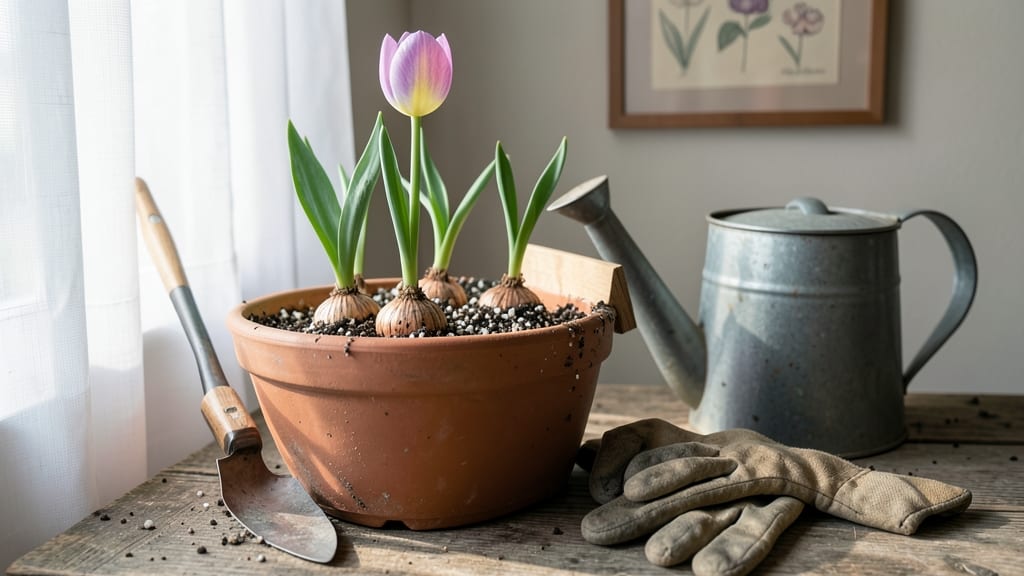
Growing tulips in pots indoors can bloom for months—even with just a sunny windowsill. 🌱 The secret lies in choosing the right varieties (like Darwin Hybrids or Parrot tulips) and mimicking their natural dormancy cycle indoors. Most beginners assume tulips need constant light, but they actually thrive with a mix of bright indirect light and a cool, dark "rest" period. You’ll need pots with drainage holes (at least 6 inches deep), a well-draining soil mix, and a watering routine that keeps soil moist but never soggy. The payoff? Stunning blooms indoors without the fuss of outdoor planting. Even my first attempt—with a single pot and a north-facing window—produced 12 blooms over six weeks. The key to year-round success is a simple seasonal routine: water lightly in winter, let the foliage yellow naturally, then trim and store the bulbs dry until replanting in fall. No green thumb required—just patience and a little planning. Perfect for small spaces, dorm rooms, or anyone craving spring colors in winter. Let’s get those bulbs blooming!
Root Causes Of Indoor Tulip Struggles
Indoor tulips can be finicky, but understanding the science behind their challenges helps you troubleshoot like a pro. Whether your potted tulips refuse to bloom, wilt prematurely, or develop yellow leaves, these issues usually stem from a few key factors.
Let’s break down the why behind the most common problems—so you can fix them fast.
Tulips are native to temperate climates, where they experience a natural cold dormancy period (typically 12–16 weeks below 45°F/7°C) before blooming. Without this chill, their growth cycle gets stuck in neutral—like a car engine that won’t start because it’s missing a spark.
- What’s happening: Indoor environments (especially heated homes) rarely mimic winter conditions. Without the cold trigger, tulip bulbs skip their flowering phase and may only produce leaves or small, weak stems.
- Science behind it: The cold period activates genes responsible for flower development. In labs, researchers found that tulips require vernalization (a cold treatment) to break dormancy and initiate blooming. Without it, the bulb treats indoor warmth as spring—and starts growing foliage instead.
- Actionable fix:
- 🔥 Pre-chill bulbs: Store potted tulips in a cool, dark place (like a garage or unheated basement) for 8–12 weeks before bringing them indoors. Aim for 40–50°F (4–10°C).
- ❄️ DIY cold shock: Place pots in a refrigerator (not freezer!) for 6–8 weeks. Wrap them in a paper towel to prevent moisture buildup.
- ⏳ Patience pays: Some hybrid tulips (like Darwin or Parrot types) need longer chill times—up to 3 months.
Tulips need light—but not too much. Too little, and they’ll stretch leggy and weak. Too much (especially direct sunlight), and they’ll scorch or bolt (send up a flower spike too early). The balance is tricky because indoor lighting is often artificial and inconsistent.
- What’s happening:
- Low light: Tulips etiolate—they grow tall and spindly with weak stems and small leaves as they reach for light.
- Too much light/heat: Leaves turn yellow or brown (a sign of oxidative stress), and buds may abort before opening.
- Science behind it: Tulips thrive under 12–14 hours of indirect light daily. Artificial grow lights (like LED or fluorescent bulbs) should mimic 4,000–6,000 lux—similar to bright, diffused sunlight. Without this, chlorophyll production drops, stunting growth.
- Actionable fix:
- 🌿 Spot the sweet spot: Place pots near a north- or east-facing window (avoid south/west, which can overheat). Rotate pots weekly for even growth.
- 💡 Boost with grow lights: Use a full-spectrum LED bulb 6–8 inches above the plants for 12 hours/day. Avoid incandescent bulbs—they emit too much heat.
- 🌡️ Watch the thermometer: Keep temps between 60–65°F (15–18°C) during the day and 55–60°F (13–15°C) at night.
Tulips hate soggy feet but also wilting stress. Indoor pots dry out faster than outdoor beds, and overwatering can drown roots or trigger rot. The problem? Most people guess instead of measuring.
- What’s happening:
- Overwatering: Yellow leaves, mushy stems, or a foul smell from the soil signal root rot (Pythium or Fusarium fungi thrive in waterlogged conditions).
- Underwatering: Drooping leaves, crispy edges, or bud drop occur when roots can’t absorb water—stressing the plant.
- Science behind it: Tulip bulbs store water, but active growth (like shooting up stems) demands consistent moisture. Soil should stay evenly damp but not soggy—think of a wrung-out sponge. Overwatering cuts off oxygen to roots, while underwatering triggers abscisic acid (a stress hormone that causes wilting).
- Actionable fix:
- 💧 Test the soil: Stick your finger 1 inch deep—if it’s dry, water. If it’s cold and clumpy, wait 1–2 more days.
- 🏺 Drainage is non-negotiable: Pots must have drainage holes. Add a layer of perlite or gravel at the bottom to prevent compaction.
- 🌱 Water wisely: Use room-temperature water and water at the base (not over leaves). Tulips in bloom need more water—about 1 inch per week.
Tulips are cool-season plants, and indoor heating can push them into heat shock. Fluctuations—like a warm room near a radiator followed by a cold draft—can confuse their biology and stunt growth.
- What’s happening:
- Too hot (>75°F/24°C): Leaves curl or yellow, buds fail to open, and stems become weak and rubbery.
- Drafts or cold spots (<50°F/10°C): Stunted growth, blackened leaves, or bud blast (
Quick Fixes for Indoor Tulip Troubles
Indoor tulips are delicate but rewarding—when they thrive! If your potted blooms are struggling, don’t panic. Most issues have simple, actionable fixes. Below, we’ll match common problems with step-by-step solutions, plus pro tips to keep your tulips happy year-round. 🌱💡
Cause: Overwatering, poor drainage, or root rot. Fix It Fast:
- 🔥 Check the soil: Stick your finger 1–2 inches deep. If it’s soggy, your tulips are drowning.
- 🍳 Drainage first: Repot into a container with drainage holes (like terracotta) and fresh, well-draining potting mix. Add perlite or sand for aeration.
- 👨🍳 Trim the damage: Snip off yellow or mushy leaves with clean scissors to prevent spread.
- ⏰ Water wisely: Let the top inch dry out between waterings. Tulips prefer consistency over soggy soil.
Prevent It:
- Use pots with drainage holes—no exceptions!
- Water only when the soil feels dry to the touch.
- Avoid saucers that trap excess water.
Cause: Lack of light, overcrowding, or weak bulbs. Fix It Fast:
- 💡 Move to brighter light: Place near an east- or west-facing window (6+ hours of indirect light). A grow light (12–14 hours/day) works in dim rooms.
- 🎯 Thin the crowd: If bulbs are packed too tightly, gently separate them and replant with 2–3 inches of space.
- 🥗 Feed lightly: Use a balanced bulb fertilizer (like 10-10-10) once when sprouts reach 2 inches tall.
Prevent It:
- Rotate pots weekly for even light exposure.
- Choose smaller bulbs (6–8 inches apart) if space is tight.
- Avoid fertilizing after blooming—let foliage die back naturally.
Cause: Aphids, spider mites, or fungal gnats. Fix It Fast:
- 🔪 Quarantine & inspect: Isolate the pot and check leaves/stems for tiny bugs or webbing.
- 🌿 Natural sprays:
- Aphids/mites: Spray with soapy water (1 tsp mild soap + 1 quart water) or neem oil (follow label).
- Fungal gnats: Let soil dry between waterings and top with sand to deter larvae.
- ✨ Repeat as needed: Treat every 3–5 days until pests vanish.
Prevent It:
- Mist leaves occasionally to deter mites.
- Avoid overwatering—gnats love damp soil.
- Inspect new bulbs/plants before bringing them indoors.
Cause: Excess moisture or poor airflow. Fix It Fast:
- 🔥 Air it out: Move the pot to a well-ventilated spot (like a sunny windowsill).
- 🍳 Refresh the mix: Remove the top inch of moldy soil and replace with fresh, sterile potting mix.
- 🌡️ Adjust watering: Water only at the base and avoid wetting leaves.
Prevent It:
- Use a fan on low for 10–15 minutes daily to improve airflow.
- Choose pots with breathable materials (like fabric or terracotta).
- Water early in the day so soil dries faster.
Remember: Indoor tulips are finicky but forgiving. The key is consistency—light, water, and space. With these fixes, your potted tulips will bounce back (and maybe even rebloom!) in no time. 🌷✨
Frequently asked questions
What's the best pot size for growing tulips indoors?
Use pots that are at least 6 inches deep and 4–6 inches wide for each bulb. Larger pots (like 8-inch diameter) work well for 2–3 bulbs, but avoid oversized containers—they hold too much moisture and risk root rot. Terracotta pots help wick away excess water.
Can I grow tulips indoors year-round, or do they need a dormant period?
Tulips require a dormant period to rebloom. After flowering, let the foliage yellow naturally (about 6–8 weeks), then trim it back and store the bulbs in a cool, dry place (like a paper bag in the fridge) until fall. Replant them in October–November for next year’s blooms.
How do I know if my indoor tulips are getting enough light?
Tulips need 12–14 hours of bright indirect light daily. If leaves look pale and stems stretch tall (a sign of etiolation), move them closer to a window or add a grow light. South-facing windows can be too intense—use sheer curtains to diffuse harsh rays.
Why are my tulip leaves turning yellow?
Yellow leaves usually mean overwatering or nutrient deficiency. Check soil moisture—it should feel damp but not soggy. If the yellowing starts at the bottom, it’s natural aging. For top leaves, flush the soil with water to remove excess salts and fertilize lightly with a balanced bulb food.
Can I force tulips to bloom indoors without a greenhouse?
Yes! Chill the bulbs for 8–12 weeks in a cool, dark place (like a garage or fridge at 40–50°F) before planting. After sprouting, place them near a bright window or under grow lights. Darwin Hybrid or Parrot tulips are the easiest varieties for indoor forcing.