
Trees
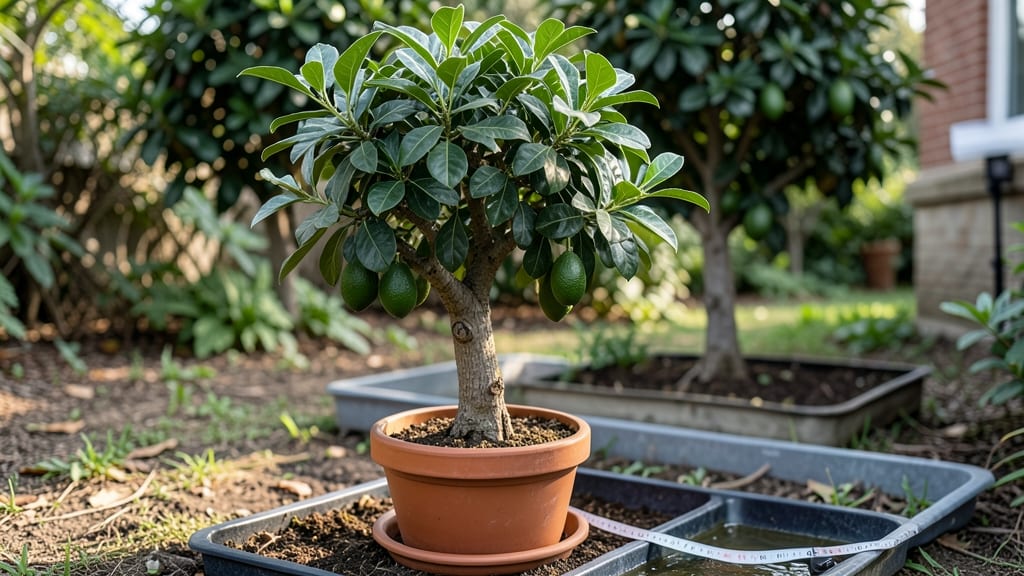
Indoor avocado trees can grow to 6 to 20 feet tall if left unchecked, but with the right approach, you can keep them at a manageable height—even in a small apartment.
Picture this: a lush, 🥑 green avocado tree thriving in your living room, its branches reaching just above your head instead of scraping the ceiling. The key isn’t just choosing the right variety—it’s understanding how pot size, pruning, and light exposure shape its growth over time.
Most indoor avocado trees start small, with 2 to 4 feet of height in their first year, but without control, they can shoot up quickly. The good news? Dwarf varieties aren’t common, but strategic pruning and container limits can keep your tree at a height that fits your space.
In this guide, I’ll break down how to estimate your avocado tree’s growth, the best container sizes to slow it down, and the pruning techniques that keep it compact—so you can enjoy its tropical beauty without the jungle-sized consequences.
Indoor avocado tree size by variety: smallest options for limited spaces
Choosing the right avocado variety is the first step to keeping your indoor tree manageable. While no true dwarf varieties exist, some cultivars naturally stay smaller indoors with proper care.
The Mexican avocado (Persea americana) is the most common choice for indoor growing, and certain selections like Mexicola and Lamb Hass tend to grow more compactly than others.
Even with compact varieties, your avocado tree will need regular pruning and container management to prevent it from reaching heights of 6-10 feet indoors. Without intervention, most indoor avocado trees will eventually outgrow typical home spaces, making variety selection and early training critical for small-space success.
Container size plays a huge role in controlling height. Root-bound trees grow taller faster as they compete for space. Using a 5-10 gallon pot for the first few years will significantly slow vertical growth while still allowing your tree to thrive.
Here's how the most space-friendly avocado varieties compare in terms of mature height, growth rate, and container needs:
The Wurtz variety is your best bet for tiny spaces like desks or shelves, while Mexicola offers the best balance between manageable size and fruit potential. Remember that these heights assume regular pruning and container confinement—without these, even compact varieties will grow taller.
For first-year growth, expect your avocado tree to reach 2-4 feet tall regardless of variety. This rapid early growth is why starting with a smaller container (3-5 gallons) helps establish slower vertical development.
As your tree matures, you'll need to upgrade containers gradually—never more than 2 inches in diameter per year—to maintain control.
Light conditions dramatically affect growth rates. A tree in bright indirect light will grow 20-30% slower than one near a south-facing window with direct sun. If your space has limited light, choose the Wurtz or Mexicola varieties as they tolerate lower light better than other avocado types.
One common misconception is that larger containers equal faster growth. Actually, the opposite is true—root restriction in smaller pots triggers hormonal responses that slow vertical stretching. This is why 5-gallon pots work better for height control than 15-gallon pots, even if your tree looks "root-bound."
To maintain your avocado tree's size long-term, combine variety selection with pruning. The Wurtz variety can remain under 5 feet with annual pruning, while Mexicola typically stays under 6 feet with similar care. Always prune in late winter before new growth begins for best results.
Remember that even compact varieties will eventually need outdoor winter dormancy if you want fruit. Without this, your indoor avocado will continue growing year-round and may become unmanageable. For apartment gardeners, this means planning for seasonal outdoor placement during cooler months.
Pruning and training techniques to control avocado tree height indoors
Controlling your indoor avocado tree height requires a mix of strategic pruning techniques and training methods. Without intervention, these trees can quickly reach 6-20 feet tall, overwhelming small spaces.
The key is to prune at the right growth stages while encouraging bushier, more manageable shapes. I’ve found that combining topiary-style pruning with directional training works best for maintaining compact growth.
Timing is everything when pruning avocado trees. The best time to prune is during the late winter or early spring, just before new growth begins. This allows the tree to heal and establish fresh branches before summer’s rapid growth phase.
Avoid heavy pruning in fall or winter, as this can stress the tree when it’s already in a dormant phase. I’ve seen dramatic differences in growth patterns by sticking to this schedule.
- 1 Assess Growth Direction: Observe your tree’s natural growth pattern. Identify vertical shoots that need pruning and horizontal branches to encourage. Use a notebook to track growth over months.
- 2 Use Sharp Pruning Shears: Always use sterilized pruning shears to make clean cuts at a 45-degree angle, just above a leaf node. Avoid tearing the bark, which can invite disease. I recommend bypass pruners for precision cuts.
- 3 Prune for Shape: Cut back 1/3 of the tallest branches to redirect energy to lower growth. For a bushier shape, trim the tips of horizontal branches to encourage lateral buds. I’ve shaped mine into a rounded topiary for a balanced look.
- 4 Train with Support: Use a bamboo stake or tree tie to guide young branches in your desired direction. Gently bend and secure flexible branches to create a compact canopy. Avoid forcing rigid branches, as this can cause damage.
- 5 Fertilize After Pruning: Apply a balanced fertilizer (10-10-10) 2-3 weeks after pruning to support new growth. I’ve noticed my trees recover faster and grow fuller when fertilized at this stage. Avoid heavy fertilizing immediately after pruning, as it can stress the tree.
- 6 Monitor Light Exposure: Ensure your tree gets 6+ hours of bright indirect light daily. Insufficient light leads to leggy growth, making height control harder. Rotate the pot quarter-turns weekly to promote even growth on all sides.
When pruning, focus on removing water sprouts—those fast-growing, vertical shoots that steal energy from your tree’s structure. These often appear after pruning or during periods of high humidity. I’ve found that pinching back these sprouts early (when they’re just a few inches tall) prevents them from becoming unmanageable.
Always sterilize your tools between cuts to avoid spreading disease, especially if your tree is in a shared indoor space.
For long-term height control, consider repetitive pruning every 3-4 months. This keeps the tree at a manageable height while maintaining its health. I’ve kept my indoor avocado at 5-6 feet tall for years using this method, and it still produces lush foliage.
Pair pruning with regular pot rotation to ensure even growth and prevent the tree from leaning toward light sources, which can create uneven height.
Remember, the goal isn’t just to cut back height but to encourage a strong, healthy structure. A well-pruned avocado tree will have a thicker trunk and denser branches, making it more resilient and visually appealing.
With patience and consistency, you can enjoy a compact, thriving avocado tree that fits perfectly in your indoor space. 🪴