
Plants
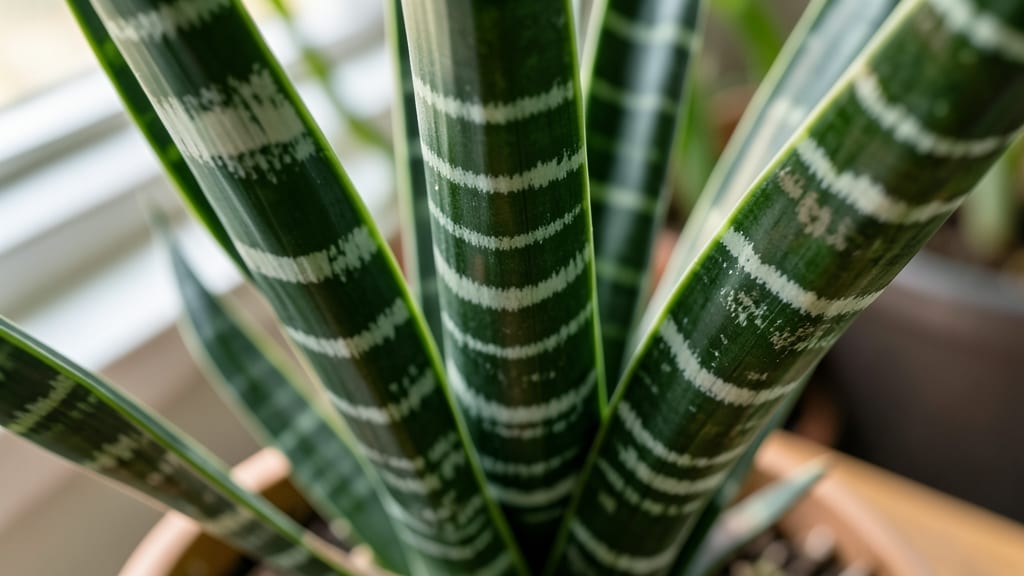
A snake plant needs bright indirect light indoors — not the harsh afternoon sun, but enough glow to keep its leaves perky and vibrant.
Struggling with yellowing leaves on your 🌱? The issue might be simpler than you think — light exposure plays a far bigger role than most gardeners realize.
Too little light, and your plant stretches awkwardly toward the nearest window. Too much direct sun, and those crisp green edges turn brown. The trick is finding that sweet spot where your snake plant thrives without guesswork.
In this guide, I’ll break down the ideal lighting conditions, how to spot signs of stress, and where to place your plant for year-round success — even in dimmer corners of your home.

Ideal light requirements for snake plants: bright indirect light explained
If you've ever wondered how much light does a snake plant need indoors, you're not alone. Many gardeners assume these hardy plants thrive in any lighting condition, but the truth is more nuanced.
Snake plants (Sansevieria) prefer bright indirect light—a balance that keeps their leaves vibrant and growth steady. Too little light slows growth, while too much direct sun can scorch their foliage. Let’s break down the perfect lighting setup for your snake plant.
One of the biggest misconceptions about snake plants is that they can survive in near-darkness. While they tolerate low light better than most houseplants, their growth rate plummets, and leaves become pale and stretched.
The key is finding a spot where they receive filtered sunlight for most of the day, such as near an east-facing window. This mimics their natural habitat in African savannas, where they avoid harsh midday sun.
Snake plants need 4-6 hours of bright indirect light daily to thrive. If your home lacks natural light, supplement with a grow light (LED or fluorescent) placed 12-18 inches away for 6-8 hours. Avoid placing them in south-facing windows unless the light is diffused—direct sun can cause brown patches or crispy edges on the leaves.
To identify the ideal spot for your snake plant, observe the light in your home during different times of day. East-facing windows provide gentle morning light, while west-facing windows offer afternoon warmth without harsh rays.
If your plant is near a window, rotate it quarter-turn every 2–3 months to ensure even growth. This prevents one side from leaning toward the light.
Many gardeners make the mistake of placing snake plants in dark corners because they assume the plants are low-maintenance. While they won’t die in low light, their growth becomes leggy and weak.
If you notice your snake plant’s leaves stretching upward or becoming thin, it’s a clear sign it needs more bright indirect light. Move it closer to a window or add a grow light to revive its health.
Another common issue is overestimating a snake plant’s tolerance for direct sun. While they can handle brief exposure, prolonged direct sunlight—especially in summer—leads to sunburned leaves.
If you notice brown or yellow patches on the tips, move the plant away from the window or use a sheer curtain to diffuse the light. A simple test: If you can hold your hand near the plant and feel warmth but not scorching, the light is likely safe.
Seasonal changes also affect your snake plant’s light needs. In winter, when daylight is shorter, supplement with a grow light for 6–8 hours to maintain its energy levels. Conversely, in summer, watch for longer daylight hours and adjust placement to avoid overheating.
A north-facing window is often the safest year-round option, providing consistent indirect light without extreme temperature fluctuations.
If you’re still unsure about your home’s light conditions, use a light meter app (available for free on smartphones) to measure lux levels. Aim for 10,000–20,000 lux for optimal growth.
For example, a north window might read 15,000 lux, while a south window without a filter could exceed 30,000 lux—too intense for snake plants. Adjust accordingly to keep your plant thriving.
Remember, the goal is to mimic the natural light conditions of a snake plant’s African savanna habitat: bright but filtered. With the right lighting, your snake plant will reward you with bold, upright leaves and minimal care demands.
Start by assessing your space, then make small adjustments to find that perfect balance—your plant’s health will thank you! 🌱
Signs your snake plant isn’t getting enough (or too much) light
Your snake plant (Sansevieria) might be silently screaming for help if its leaves are showing strange signs. Yellowing edges or brown tips often get blamed on overwatering—but light exposure is usually the real culprit.
I’ve seen firsthand how too little light causes leggy, stretched growth, while too much direct sun scorches leaves like a sunburn. Let’s decode these visual clues so you can fix the issue fast.
First, check the leaf color. Healthy snake plant leaves should be deep green with clean edges. If you notice pale, almost white streaks or leaves stretching upward like they’re reaching for the sky, your plant is begging for more bright indirect light.
This is called etiolation, and it’s a clear sign of light deprivation. Meanwhile, crispy brown patches or white spots on leaves mean your plant is getting too much direct sunlight, which burns the delicate tissues.
How Much Light Does a Snake Plant Need Indoors?
Bright indirect light (4-6 hours daily)
- East or north-facing windows
- Filtered sunlight through sheer curtains
- 2-3 feet from a south-facing window (with shade)
Low light or direct sun
- North-facing windows (too dim)
- Direct afternoon sun (scorching)
- Corners with no natural light
- Move to east or south window (with shade cloth)
- Use a grow light (12-14 hrs/day, 6-12 inches away)
- Rotate pot quarter-turn weekly for even growth
- Move 3+ feet from window or add sheer curtain
- Prune damaged leaf tips with clean scissors
- Avoid west or south-facing windows without shade
Here’s how to tell if it’s a light issue vs. overwatering: Light-related problems affect the entire leaf, while overwatering causes mushy stems and yellowing from the base upward. Stick your finger 1-2 inches into the soil—if it’s bone-dry, the issue is light.
If it’s soggy, you’re overwatering. Snake plants store water in their leaves, so they can handle drought better than too much water.
For low-light conditions, place your snake plant near a west-facing window (early morning sun) or use a LED grow light on a timer. I’ve had success with a 10W LED bulb placed 12 inches above the plant for 12 hours daily.
Avoid fluorescent bulbs—they emit too much heat and can scorch leaves. If you notice new growth leaning toward the light, it’s time to rotate the pot to encourage even growth patterns.
If your snake plant is in direct sunlight, act fast. Move it to a shadier spot immediately and trim any sunburned tips with sterilized scissors. Avoid placing it near heat sources like radiators or appliances, which dry out the air and stress the plant.
A simple trick? Use a white reflective surface (like a mirror) behind the plant to bounce extra light away from the leaves.
Remember, snake plants are forgiving, but they won’t thrive in extreme conditions. The key is bright indirect light—think of it as a goldilocks zone: not too dim, not too harsh.
With the right placement, your snake plant will reward you with bold, upright leaves and minimal maintenance. Start by checking your current spot today—your plant’s health might depend on it! 🪴