
How To
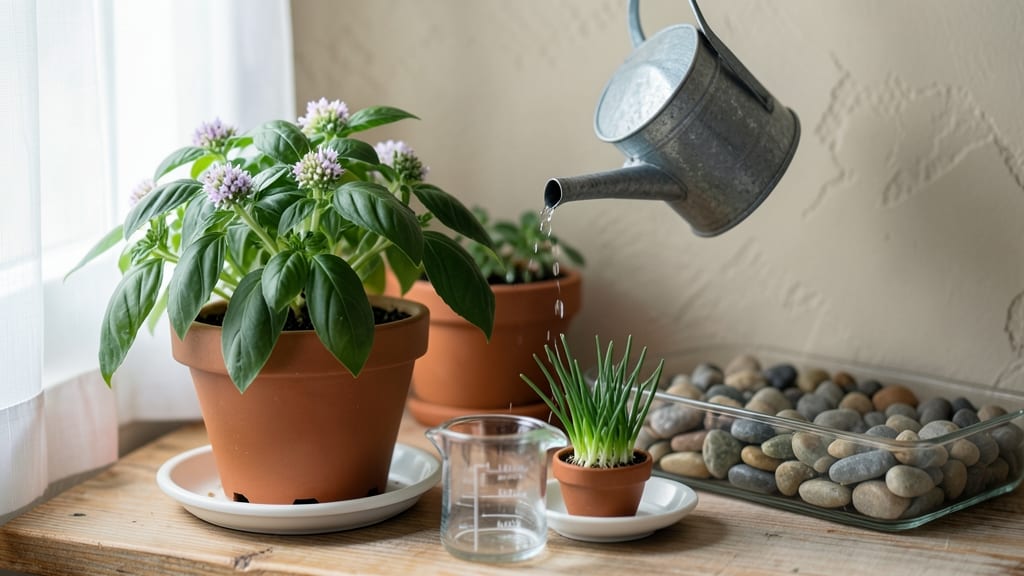
Watering your indoor herbs too often or too little can turn your kitchen garden into a sad, wilted mess—unless you learn the perfect schedule for each type.
Struggling to keep your 🌿 herbs thriving? The key isn’t guessing—it’s checking soil moisture before every watering. Too much water drowns roots, while too little leaves them crispy and flavorless.
In this guide, I’ll break down exactly how often to water basil, mint, parsley, and more, plus the simple soil test that saves herbs from over- or under-watering.
You’ll discover when to water, how to spot trouble early, and adjust for humidity, pot size, and seasonal changes—so your herbs stay lush and ready to harvest.
The ideal watering frequency for indoor herbs by type
Indoor herbs thrive when you water them based on their specific needs—not just a one-size-fits-all approach. Each herb has unique moisture requirements, influenced by factors like pot size, humidity levels, and seasonal light exposure.
For example, basil and cilantro love consistent moisture, while rosemary and parsley prefer drier conditions. Let’s break down the science-backed watering schedules to keep your herbs lush and productive year-round.
Humidity plays a critical role in how often you need to water. In dry winter months, indoor air can become extremely arid, causing soil to dry out faster. During summer, higher humidity might mean you water less frequently.
Always adjust your schedule based on your home’s relative humidity—aim for 40-60% for most herbs. A simple hygrometer can help monitor this.
Now, let’s dive into the specifics. Below is a type-by-type guide for the most popular indoor herbs, including seasonal adjustments and humidity considerations.
For basil and cilantro, which are moisture-loving herbs, I recommend using a self-watering pot or placing a saucer with pebbles and water underneath to maintain consistent humidity.
These herbs are sensitive to drying out, so check the soil daily during hot summers. In contrast, rosemary and thyme prefer drier conditions—overwatering is their biggest enemy.
Seasonal changes drastically affect watering needs. During summer months, when indoor temperatures rise and humidity drops, most herbs will need water 20-30% more frequently. In winter, when homes are heated and air is dry, reduce watering by 30-50% to prevent root rot.
Always adjust based on your home’s environment—your south-facing window might create a microclimate that requires more frequent watering than the rest of your home.
Another pro tip: Group herbs with similar watering needs together. For example, place basil and cilantro near each other on a humidity tray, while keeping rosemary and parsley in drier spots.
This makes maintenance easier and ensures each herb gets the perfect care. Use terracotta pots for herbs like rosemary—they wick away excess moisture faster than plastic containers.
Don’t forget to consider pot size and drainage. A 4-inch pot will dry out faster than a 1-gallon container, so adjust your schedule accordingly.
Always use pots with drainage holes and a well-draining potting mix—a blend of cactus soil and perlite works wonders for Mediterranean herbs like rosemary and thyme.
Finally, trust your senses. Stick your finger 1 inch into the soil—if it feels dry, it’s time to water. If it’s still damp, wait another day. This simple soil-moisture test is the best way to avoid both overwatering and underwatering.
With these science-backed schedules and adjustments, your indoor herbs will stay vibrant, flavorful, and ready for harvest all year.
🌿
How to perform the soil-moisture test (with visual cues)
Guessing how often to water your indoor herbs can lead to soggy soil or crispy leaves—neither is ideal for your kitchen garden. The soil-moisture test is your secret weapon to watering with confidence. Instead of relying on a rigid schedule, learn to read your plants' thirst cues.
This simple method takes just seconds and prevents both overwatering and underwatering. Whether you're growing basil, mint, or parsley, mastering this test ensures your herbs thrive year-round.
Most indoor herbs prefer their soil to dry out slightly between waterings, but the exact timing depends on factors like pot size, soil type, and humidity. A finger test is the most reliable way to check moisture levels without damaging your plants.
By inserting your finger into the soil, you can gauge whether it's time to water or if you should wait a few more days. This hands-on approach eliminates guesswork and keeps your herbs lush and flavorful.
For a quick visual check, lift your herb pot to assess weight. A light pot signals dry soil, while a heavy pot means it’s still moist. Pair this with the finger test for accuracy, especially in terracotta pots, which dry out faster than plastic.
If your herbs are in well-draining soil, they’ll need more frequent watering than those in dense mixes. Always water until you see moisture drain from the bottom—this ensures roots get the hydration they crave.
Seasonal changes also affect moisture levels. During summer months, indoor herbs may need watering every 2–3 days, while in winter, you might stretch it to 7–10 days. Pay attention to your home’s humidity—dry air speeds up evaporation, so you may need to water more often.
If your herbs’ leaves start curling or wilting, it’s a clear sign to check the soil moisture immediately. Pro tip: Keep a small notebook near your plants to track watering dates and adjust your schedule as needed.
Overwatering is just as harmful as underwatering, and the soil-moisture test helps you strike the perfect balance. If the soil smells musty or feels soggy, hold off on watering and let it dry out.
For woody herbs like rosemary, allow the top 2–3 inches of soil to dry completely between waterings, while tender herbs like cilantro prefer slightly moister soil. By tuning into your plants’ needs, you’ll create an optimal environment for growth and flavor.
Once you’ve mastered the soil-moisture test, you’ll notice a dramatic improvement in your herbs’ health. No more brown edges from thirst or yellow leaves from overwatering. Your kitchen garden will thrive with vibrant, aromatic leaves ready for cooking.
Remember, consistency is key—stick to your testing routine, and your indoor herbs will reward you with lush, flavorful growth all year long. Happy gardening! 🌿