
How To
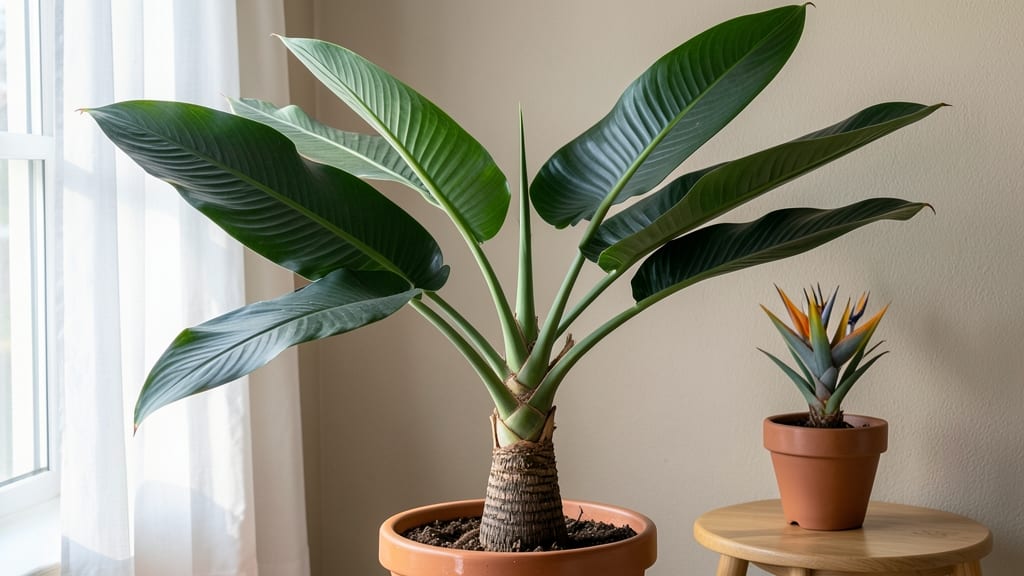
Growing a bird of paradise indoors 🌺 means it typically reaches 3 to 6 feet tall—but how you manage its space makes all the difference.
Struggling to fit a bird of paradise (Strelitzia) in your home but love its dramatic foliage and exotic blooms? You’re not alone—many gardeners assume these tropical plants need outdoor space to thrive.
The truth? With the right care, you can keep one compact and stunning indoors, even in small apartments or sunrooms.
The key lies in light exposure, pot size, and pruning. Too little light stunts growth, while cramped roots force the plant upward.
I’ll break down how to control its height, compare indoor vs. outdoor growth, and share five proven techniques to keep your bird of paradise at your desired size—whether that’s waist-high or ceiling-tall.
Ready to turn your indoor jungle into a showstopper? Let’s dive into the height secrets that’ll transform your space without sacrificing that signature tropical flair.


Bird of paradise indoor height guide: realistic growth expectations by variety
If you're dreaming of a bird of paradise (Strelitzia) indoors but worried about its height potential, you're not alone. These tropical beauties can reach 6 feet tall in ideal conditions, but indoor growth is slower.
The key is choosing the right variety and understanding how light, pot size, and pruning influence their height. Let's break down what to expect for each type and how to manage their growth in compact spaces.
Most bird of paradise varieties grow 2-4 inches per year indoors, with mature heights ranging from 3 to 6 feet. However, Strelitzia reginae (the classic type) typically stays shorter indoors—around 4-5 feet—while Strelitzia nicolai can stretch taller, reaching 5-6 feet with proper care.
Your pot size and light exposure play a huge role in whether your plant hits these heights or stays more compact.
Before we dive into specifics, here’s a quick reference for indoor bird of paradise height expectations by variety. This will help you set realistic goals and plan your space accordingly.
Now that you have a baseline, let’s talk about the factors that shrink or stretch your bird of paradise’s height. Light is the #1 influencer—these plants crave bright indirect light for at least 6 hours daily. Place yours near an east or west-facing window for optimal growth.
Without enough light, expect stunted growth and smaller leaves. If your space lacks natural light, supplement with a grow light to maintain a steady 2-3 inch growth rate per year.
Your pot size also impacts height. A root-bound plant grows taller as it stretches toward light, but if the pot is too large, it may focus energy on root expansion instead of vertical growth.
Choose a container that’s only 2-3 inches wider than the root ball, and repot every 2-3 years to keep growth upward. Pro tip: Use a terracotta pot—it dries out faster, encouraging deeper root growth and a sturdier stem.
Pruning is another tool to control height and encourage bushier growth. If your bird of paradise is getting too tall for its space, prune back the top 2-3 inches of the tallest stems in early spring.
This triggers new shoots to grow from the sides, creating a fuller, more compact shape. Just avoid heavy pruning in winter, as the plant enters a natural dormancy phase and needs to conserve energy.
Here’s a growth rate chart to help you track your plant’s progress. If your Strelitzia reginae is growing less than 1 inch per year, it’s likely light-starved or root-bound. Adjust its location or repot it to see a 20-30% boost in growth within 3-4 months.
For Strelitzia nicolai, aim for 3+ inches per year—if it’s slower, it may need more humidity (mist leaves weekly or use a pebble tray).
One common misconception is that indoor bird of paradise will never reach their outdoor height. While it’s true they grow 20-30% slower indoors, with the right care, you can still achieve 80% of their outdoor potential.
For example, a Strelitzia nicolai might hit 5 feet indoors instead of 6 feet outdoors—but that’s still a stunning statement plant for any room! The key is patience and consistency with light, water, and pruning.
If you’re working with limited vertical space, consider training your bird of paradise to grow horizontally. Use a trellis or sturdy wire frame to guide the stems outward, creating a lush, cascading effect instead of a towering plant.
This works especially well for Strelitzia juncea, which naturally has a more bushy habit. Just ensure the trellis is strong enough to support the weight—these plants can get surprisingly heavy as they mature!
Finally, don’t forget that height isn’t the only measure of a healthy bird of paradise. Focus on leaf size, color, and bloom frequency as well. A plant that’s 3 feet tall but thriving is better than a 6-foot leggy one struggling to stay upright.
With these tips, you’ll have a balanced, beautiful bird of paradise that fits your space—and your style! 🌺
5 Proven techniques to control bird of paradise height indoors
Keeping your bird of paradise (Strelitzia) from reaching sky-high proportions indoors requires strategic care. Since these tropical plants naturally grow 3-6 feet tall outdoors, indoor conditions often slow growth—but not always.
With the right techniques, you can manage its height while maintaining lush foliage and occasional blooms. The key lies in pruning, pot selection, and light management, all tailored to your space constraints.
If your sunroom, apartment, or small living room feels too cramped for this statement plant, don’t worry. I’ve successfully kept mine under 5 feet tall for years using these methods. The secret?
Combining root restriction with targeted pruning and optimizing light exposure. Let’s break down the most effective approaches to keep your bird of paradise at your desired height without stunting its health.
For apartment dwellers, I recommend combining root restriction with pruning every 6 months. This keeps my bird of paradise at a manageable 4 feet tall while still producing blooms.
The key is consistency—don’t let it outgrow your space! Monitor growth closely, and adjust your approach based on how quickly it responds to light and pruning.
One common mistake is underestimating pot size. While a larger pot encourages faster growth, a snug fit (just 1-2 inches wider than the root ball) naturally slows vertical expansion. Pair this with bright indirect light, and you’ll see a more compact, bushier plant.
Remember, bird of paradise thrives on neglect—overwatering or over-fertilizing will send it into a growth spurt you don’t want.
If you’re aiming for a miniature version, consider dwarf varieties like Strelitzia juncea, though they’re rare. For standard types, focus on pruning young plants aggressively to set the growth pattern early.
With patience and the right techniques, you can enjoy this tropical beauty at a height that fits your home—without sacrificing its stunning appearance.