
How To
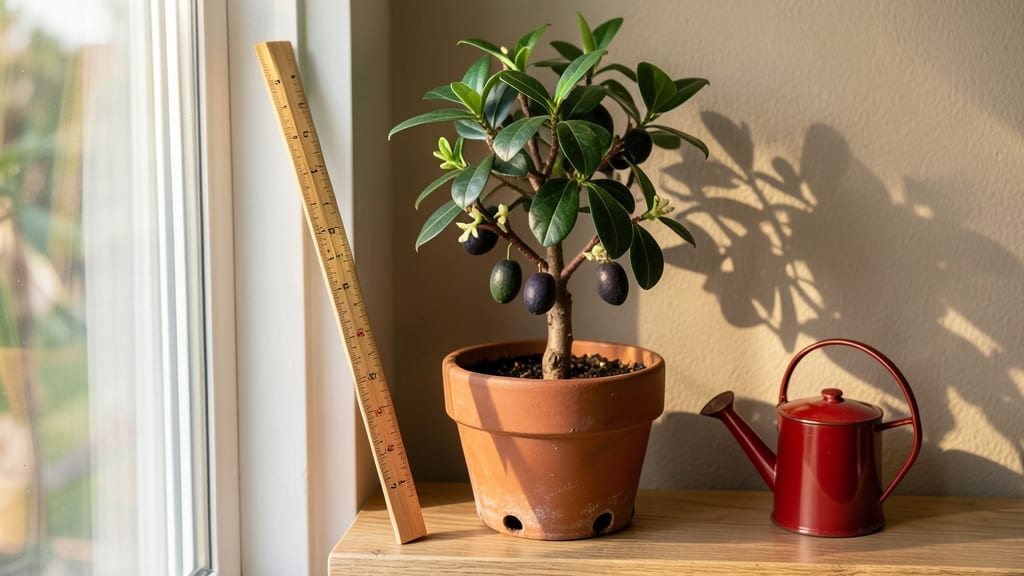
If you're wondering how tall will an avocado tree grow indoors, the answer is 6 to 20 feet if left unchecked—but with the right care, you can keep it compact and manageable for your space.
Picture this: your 🥑 avocado tree shooting up faster than you can say "kitchen ceiling," branches scraping the lights, and leaves everywhere. That’s the reality for many indoor growers who skip pruning or underestimate how quickly these trees can grow—even in pots.
Here’s the good news: with smart pruning, proper pot selection, and a few simple tricks, you can keep your tree at a manageable height—think 6 to 10 feet for dwarf varieties or even smaller with regular trimming. The key is understanding how light, space, and maintenance shape its growth.
In this guide, I’ll break down how to control your avocado tree’s height, from choosing the right variety to mastering pruning techniques that keep it lush without letting it take over your home.


Indoor avocado tree height limits: what to expect based on variety and conditions
If you're dreaming of a lush indoor avocado tree but worried about it towering over your ceiling, you're not alone. Most avocado varieties—like the popular Hass and Fuerte—can reach 15–20 feet outdoors, but indoors, their growth is dramatically slower and more manageable.
The key lies in understanding your variety, light exposure, and container size. Without intervention, even a dwarf variety can still grow taller than your kitchen table if left unchecked.
Your avocado tree’s height indoors depends on three critical factors: its genetic potential, the size of its pot, and how much sunlight it receives.
For example, a Hass avocado tree in a 5-gallon pot with bright indirect light might max out at 6–10 feet over 5–10 years, while the same tree in a 15-gallon pot with optimal sunlight could stretch toward 12–15 feet. The good news?
With regular pruning and container constraints, you can keep it at a more manageable 4–8 feet—ideal for most homes.
The Mexicola variety is often called a dwarf avocado, but even it can grow taller than expected if given too much space. This variety typically stays between 4–7 feet indoors, making it one of the best choices for small apartments or limited ceilings.
However, don’t assume it’s low-maintenance—it still needs bright light and regular watering to stay compact. If you’re working with a standard variety like Hass or Fuerte, plan for aggressive pruning to keep it under 8 feet.
Pot size plays a huge role in controlling height. Root-bound trees grow slower because their roots can’t expand, which restricts upward growth. Start with a 5-gallon pot for young trees and upgrade to 10–15 gallons only if you’re okay with taller growth.
Pro tip: If you want a shorter tree, keep it in a smaller pot longer—just be prepared to repot every 2–3 years to refresh the soil and prevent nutrient deficiencies.
Sunlight is the wildcard in indoor avocado growth. Without enough bright indirect light, your tree will grow slowly and leggy, reaching for light like a sunflower. Place your tree near an east- or west-facing window for 6+ hours of light daily.
If your home lacks natural light, supplement with a grow light (LED or fluorescent) for 12–14 hours per dayHass variety will rarely exceed 10 feet indoors without pruning.
Pruning isn’t just about height control—it’s about shaping your tree and encouraging bushier growth. The best time to prune is in early spring, just as new growth begins. Use clean, sharp shears to cut back overly long branches by 1/3 of their length.
Avoid cutting into old wood, as avocado trees struggle to regrow from mature branches. For a compact shape, focus on trimming the top third of the tree to promote horizontal branching.
With consistent pruning, you can keep a Fuerte variety at a manageable 6–8 feet even in a large pot.
One common mistake is assuming that larger pots = taller trees. While bigger pots allow for more root growth, they don’t automatically mean your tree will shoot up like a skyscraper. The real secret is balancing pot size with pruning. For example, a 15-gallon pot with regular pruning might keep a Hass tree at 8 feet
Controlling your indoor avocado tree height requires strategic pruning—not just random cutting. Avocado trees grow 6-20 feet outdoors, but indoors, they’ll reach ceiling heights if unchecked. The key is timing and technique to encourage bushier growth while maintaining health. Prune during the spring and summer when the tree is actively growing. Avoid heavy pruning in fall or winter, as this stresses the tree. Use sterilized pruning shears to prevent disease, and always cut just above a leaf node or branch collar. ⚠️ WARNING: Common Mistakes That Stunt Your Tree
Pruning secrets to control avocado tree height without harming growth
To shape your tree, focus on selective pruning of the topmost branches to control height. This encourages lateral growth, creating a bushier canopy. Use your fingers to gently bend young branches downward—this trains them to grow horizontally.
For indoor dwarf varieties, prune new growth tips regularly to maintain compact size.
Your tools matter: a sharp bypass pruner for clean cuts and a hand saw for thicker branches. Wipe tools with rubbing alcohol before and after use. After pruning, apply pruning paste to larger cuts to seal them and prevent sap loss or disease entry.
Encourage bushier growth by pinching back terminal buds (the tips of branches) when they’re about 6 inches long. This signals the tree to produce side shoots. For indoor trees, rotate the pot quarter-turns weekly so all sides get even light, promoting balanced growth.
Monitor your tree’s response after pruning. Healthy new growth should appear within 4-6 weeks. If you see yellowing leaves or stunted growth, you may have pruned too aggressively. Adjust your approach and focus on supportive care—like proper light and watering—to help it recover.