
Container Gardens
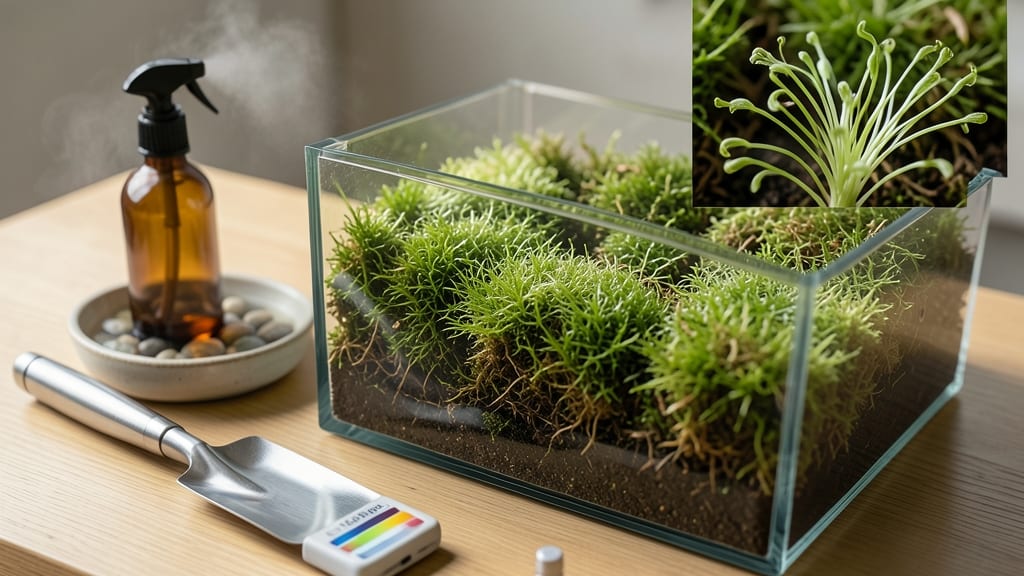
Caring for moss indoors turns your home into a mini rainforest without the humidity hassle. ✨ The key is understanding what moss naturally craves—moisture, shade, and airflow—then replicating those conditions in your space.
I’ve turned my living room into a lush green corner using nothing but a few simple tricks and a bit of patience.
Moss thrives in low to bright indirect light, making it perfect for north-facing windows or under grow lights. The real game-changer? A terrarium or sealed container to trap humidity, but even open containers work if you mist regularly.
Use a well-draining mix of peat moss, perlite, and a bit of charcoal to keep roots happy and prevent rot.
Watering is simple: keep the moss consistently moist but never soggy. A light spray every 2-3 days mimics morning dew, and you’ll see that vibrant green return in just a few weeks. The best part? Moss grows slowly, so you only need to tweak care every few months—not daily.
This low-maintenance plant adds texture and color to shelves, terrariums, or even as a living art piece. Once you master the basics, you can experiment with different varieties like Sheet Moss or Cushion Moss for unique looks. Let’s get your indoor jungle growing!
📚 In This Guide
- What you need
- Instructions
- Tips and common mistakes
- Wrapping up and next steps
What you need
- ● Moss: Choose a variety like Sheet Moss (Hypnum) or Cushion Moss (Leucobryum)—both thrive indoors. Buy a small handful (about ½ cup) from a nursery or online.
- ● Container: A shallow tray, terrarium, or even a decorative dish (6–12 inches wide) with drainage holes.
- ● Growing Medium: Required: Peat moss or a mix of sphagnum moss (50%) and perlite or sand (50%) for airflow.
- ○ Optional: Activated charcoal (1 tsp) to prevent mold or a thin layer of aquatic soil for extra nutrients.
- ● Water: Distilled or rainwater (tap water can harm moss over time). A spray bottle (8–16 oz) for misting.
- ● Scissors or shears: For trimming excess moss or shaping your design.
- ○ Humidity tray (optional): A shallow tray with pebbles and water to boost moisture levels.
- ○ Plastic wrap or glass lid (optional): To create a mini greenhouse effect during setup (remove after 1–2 weeks).
- ○ Decorative elements (optional): Small rocks, driftwood, or moss-friendly plants (like ferns) for aesthetics.
Step-by-Step instructions for cultivating indoor moss
Here's the method I've used to keep moss thriving indoors for years—no greenhouse needed.
🌱 Step 1: Select the Right Moss Species and Container
Not all mosses adapt equally to indoor conditions. For beginners, I recommend Sheet Moss (Hypnum) or Cushion Moss (Leucobryum)—they tolerate indoor humidity ranges best. Avoid delicate species like Peat Moss (Sphagnum), which needs extreme moisture.
Choose a shallow container with drainage holes—ceramic or glass planters work best. The container should be at least 2 inches deep to accommodate root growth while preventing waterlogging. I use 4-inch-wide containers for each of my four moss gardens, which gives enough surface area for lush growth without overwhelming maintenance.
💧 Step 2: Prepare the Growing Medium
Moss doesn't need traditional soil—it thrives on a moist, airy substrate. Mix 50% peat moss (for water retention) with 50% perlite or coarse sand (for aeration). This blend mimics the forest floor where moss naturally grows.
Fill your container ¾ full with the mix, leaving space at the top for watering. Gently press down to remove air pockets but don't compact it—moss roots need oxygen. If you're using a glass terrarium, add a thin layer of activated charcoal at the bottom to prevent mold.
☀️ Step 3: Plant and Mist for Initial Establishment
Break apart moss clumps into 1-inch-wide sections and press them gently into the substrate. Space them 1-2 inches apart—crowding leads to competition for moisture. For a natural look, arrange some pieces vertically along the container's edges.
Mist the moss 2-3 times daily until the substrate feels evenly damp (like a wrung-out sponge). Avoid soaking—moss roots suffocate in standing water. Place the container in bright, indirect light (east or north-facing windows work best). Direct sun will scorch delicate fronds.
🌿 Step 4: Maintain Ideal Humidity and Light
Moss needs 60-80% humidity to thrive. If your home runs drier, place the container on a pebble tray filled with water and gravel. The evaporating moisture creates a microclimate. For extra humidity, group moss containers together—they'll boost each other's environment.
Mist daily in dry climates and every other day in naturally humid spaces. Check moisture by lifting the container—it should feel light but not dry. Rotate the container weekly so all sides receive even light. You'll notice new growth within 2-3 weeks if conditions are right.
✂️ Step 5: Prune and Refresh Seasonally
Trim brown or leggy fronds with sterile scissors in early spring to encourage fresh growth. Remove no more than 20% of the plant at once—this prevents shock. For glass terrariums, open the lid monthly to air out the moss and prevent mold.
Every 6 months, refresh the growing medium by removing the top ½ inch of old substrate and replacing it with fresh mix. This prevents nutrient depletion. If your moss starts looking sparse, it's time to propagate—simply break off healthy sections and replant them in new containers.
Tips & tricks for perfect indoor moss cultivation
These game-changing strategies will help you transform your moss from a delicate experiment into a thriving, evergreen centerpiece.
Species Selection Matters: Sheet Moss and Cushion Moss are your best bets for indoor success because they tolerate the moderate humidity ranges found in most homes. I've found that Sheet Moss spreads beautifully across container edges, while Cushion Moss develops that lush, velvety texture we all love. Avoid the more delicate varieties like Peat Moss—they'll wither in typical household conditions unless you're prepared to create a mini greenhouse environment.
Substrate Science: The 50/50 peat moss to perlite/sand mix creates the perfect balance of moisture retention and aeration that moss roots crave. When preparing your container in Step 2, think of this as creating a "forest floor" environment. The activated charcoal layer in terrariums isn't just for looks—it actively prevents mold by absorbing impurities that could harm your moss. I've seen containers develop mold within weeks when this step is skipped.
Misting Mastery: Those initial 2-3 daily mistings in Step 3 are non-negotiable for establishing your moss. Here's the trick: use a spray bottle with fine mist settings and hold it about 6 inches away from the moss. You want the substrate to feel like a wrung-out sponge—not dripping, not bone dry. I've seen beginners either drown their moss with heavy watering or leave it parched from infrequent misting. The key is consistency during this establishment phase.
Lighting Strategy: The bright, indirect light requirement in Step 3 is crucial—think of it as creating a dappled forest floor effect. East or north-facing windows provide perfect conditions, but if you're limited to other orientations, use sheer curtains to diffuse harsh afternoon sun. I've had great success with grow lights on a timer set for 12 hours per day when natural light is insufficient, especially in winter months.
Pro Tips for Care For Moss Indoors
- These game-changing strategies will help you transform your moss from a delicate experiment into a thriving, evergreen centerpiece.
- Species Selection Matters: Sheet Moss and Cushion Moss are your best bets for indoor success because they tolerate the moderate humidity ranges found in most homes.
- Substrate Science: The 50/50 peat moss to perlite/sand mix creates the perfect balance of moisture retention and aeration that moss roots crave.
Frequently asked questions
Got questions about keeping your indoor moss thriving?
You’re not alone! Here are answers to the most common concerns—from moisture management to troubleshooting—so your moss stays lush and green year-round.
How often should I mist my indoor moss?
Mist your moss lightly every 2–3 days, or when the top layer feels dry to the touch. Over-misting can suffocate roots, while underwatering causes browning. For extra humidity, place the container on a pebble tray with water (but keep the base elevated to avoid soggy soil).
Can I grow moss indoors without a humidifier?
While humidifiers help, moss thrives with simple DIY tricks: Group plants together, use a spray bottle daily, or place the pot on a damp towel. Terrariums or closed containers also trap moisture naturally. Just ensure airflow—stagnant air invites mold, not moss!
Why is my moss turning brown or crispy?
Brown or crispy moss usually signals dryness or sunburn. Move it to indirect light and increase misting. If the base stays soggy, improve drainage by adding perlite or repotting. For severe damage, trim dead patches and refresh the soil—moss is resilient and often bounces back!
What’s the best soil mix for indoor moss?
Use a peat-based or sphagnum moss mix (50% peat, 30% perlite, 20% sand) for ideal drainage and acidity. Avoid garden soil—it compacts and suffocates roots. For a quick fix, layer damp sphagnum moss over a thin soil base in a shallow container. Pro tip: Add a handful of orchid bark for extra airflow!
How long does it take for moss to grow indoors?
Patience pays off! New moss growth appears in 4–8 weeks with consistent care. Slow growth is normal—focus on humidity and light first. For faster results, propagate by gently pressing healthy moss clumps into fresh soil. Think of it as a slow, rewarding green project!
Can I reuse moss from outdoors?
Yes, but sterilize it first! Rinse outdoor moss thoroughly to remove debris, then soak in a 1:10 hydrogen peroxide/water solution for 10 minutes to kill pests or pathogens. Let it dry completely before repotting. Avoid moss from polluted areas—it may carry toxins.
Wrapping up and next steps
Caring for moss indoors is all about creating the right conditions—think gentle moisture, indirect light, and consistent humidity. With the right setup, you’ll soon have a thriving, lush green companion that adds life and texture to your space. 🌿✨
Ready to take the next step? Start small—pick a low-maintenance moss variety like Hypnum or Polytrichum—and experiment with placement (bathrooms, terrariums, or humid corners work great!). Soon, you’ll be the envy of every plant lover who dreams of indoor greenery without the fuss.