
Size
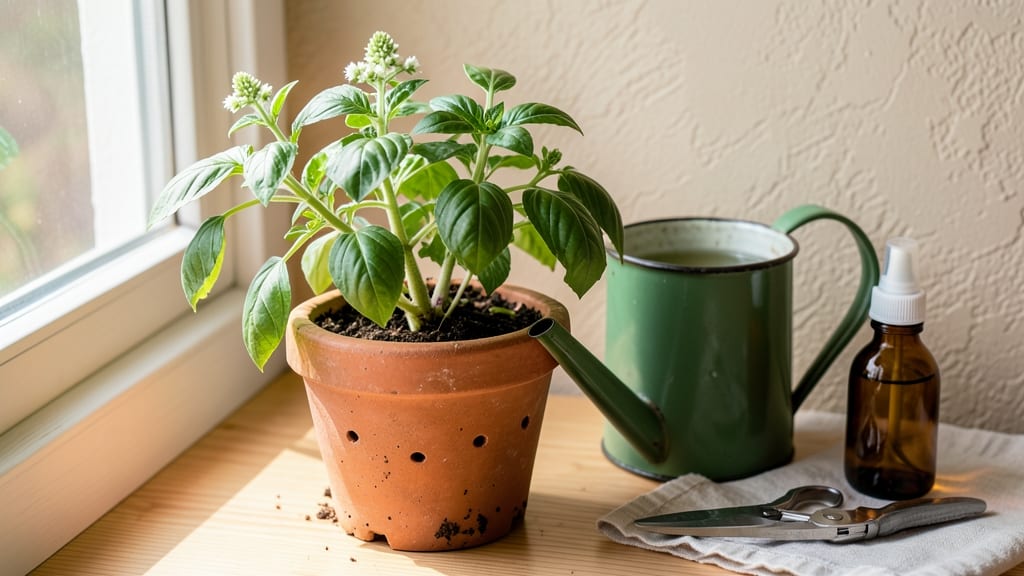
Growing basil indoors year-round isn't just about fresh pesto—it's about transforming your kitchen into a fragrant herb sanctuary that never runs out. 🌿 I've wrestled with leggy, sad basil plants for years, but once I cracked the sunlight code, my plants grew so fast they outpaced my cooking demands.
The secret? Mimicking outdoor conditions with the right light, water, and a little pruning magic.
You'll need just three essentials: a sunny south-facing window (or a grow light), well-draining potting mix, and a pot with drainage holes. Most people overwater—basil hates soggy roots—so let the top inch dry between waterings.
A 5-inch pot works for one plant, but if you're ambitious, try a hanging basket for bushier growth. The right variety matters too: Genovese for pesto, Purple Ruffles for color, or Thai basil for spicy kicks.
Within 4-6 weeks, you'll have a bushy plant dripping with fragrant leaves, ready to snip whenever you need it. The smell alone—bright, peppery, and impossibly fresh—makes the effort worth it.
Plus, you'll save money and avoid the sad, wilted bunches from the grocery store. Prune regularly to encourage bushiness, and watch those stems thicken like outdoor plants.
This method works in any season, even winter, because you control the light. Use a timer for grow lights (12-16 hours/day) if natural light is weak, and rotate your plant weekly for even growth.
Troubleshooting? Yellow leaves mean overwatering; brown tips mean dry air—just mist occasionally. Before you know it, you'll be the neighbor everyone envies for that never-ending basil supply.
📚 In This Guide
- What you need
- Instructions
- Tips and common mistakes
- Wrapping up and next steps
What you need
- ● Basil plant (1-2 seedlings or a small potted plant from a nursery or garden center)
- ● Containers (2-4 pots, 6-8 inches in diameter with drainage holes)
- ● Potting mix (1 bag of high-quality, well-draining organic soil blend)
- ● Grow lights or LED bulbs (1-2 full-spectrum grow lights or 2-3 10,000-lux LED bulbs for artificial sunlight)
- ● Watering can or spray bottle (with a fine mist nozzle for gentle watering)
- ● Fertilizer (1 bottle of balanced liquid fertilizer, like 10-10-10 or organic options like fish emulsion)
- ● Pruning shears or clean scissors (for harvesting and trimming)
- ○ Humidity tray or pebble tray (optional but helpful for maintaining moisture)
- ● Self-watering pots (to maintain consistent moisture levels)
- ● Plant saucers or trays (to catch excess water and prevent messes)
- ● Thermometer/hygrometer (to monitor temperature and humidity, ideal range: 65-80°F and 40-60% humidity)
- ● Plant labels (to track varieties and care schedules)
- ● Organic mulch or compost (to enrich soil and retain moisture)
Step-by-step instructions for growing basil indoors year-round
Here's the foolproof method I use to keep basil thriving indoors through every season.
🪴 Step 1: Choose the Right Container and Soil Mix
Start with a 6-8 inch diameter pot that has drainage holes—basil roots need airflow to prevent rot. I use terracotta because it breathes and helps wick away excess moisture. Fill it with a well-draining potting mix (never garden soil—it compacts too much). A blend of 50% potting soil, 30% perlite, and 20% compost works perfectly for my plants.
Moisten the mix before planting by adding water until it feels like a damp sponge—not soggy, not dry. Press the soil down gently so it's firm but not packed. This creates a stable base for the roots to anchor into. I like to add a handful of slow-release fertilizer granules mixed into the soil—this ensures steady nutrition without overfeeding.
☀️ Step 2: Plant and Position for Maximum Light
Plant your basil seeds ¼ inch deep, or if using a young plant, bury it just below the soil line where the stem meets the roots. Space multiple plants 4-6 inches apart—crowding leads to weak stems and poor airflow. Gently pat the soil around the base to remove air pockets, then water lightly until moisture reaches 1 inch deep.
Here's where most people fail: basil needs 6-8 hours of direct sunlight daily. Place your pot within 2-3 inches of a south-facing window or under a grow light for 14-16 hours per day. If natural light is weak, I supplement with a full-spectrum LED bulb—just don't let the leaves touch the light, or they'll burn. Watch for leaves stretching toward the light; if they do, your plant needs more intensity or closer positioning.
💧 Step 3: Master the Watering Routine
Basil hates soggy roots but also can't handle drying out. Water when the top inch of soil feels dry to the touch, usually every 2-3 days depending on your home's humidity. I use room-temperature water to avoid shocking the roots—cold water can stunt growth. Pour water slowly at the base until it drains from the bottom holes, then empty the saucer to prevent root rot.
Mist the leaves 2-3 times a week with a spray bottle to mimic humidity. You'll notice the leaves perk up and stay vibrant—this is your sign the plant is happy. Overwatering is the #1 killer, so if the soil stays damp for more than a day, cut back. Yellowing leaves usually mean too much water; crispy edges mean it's too dry.
✂️ Step 4: Prune and Harvest for Continuous Growth
Pinch off the top set of leaves when the plant reaches 6 inches tall—this encourages bushier growth. I also snip any flowers that appear; basil puts all its energy into blooming, not leaf production. Use clean scissors and cut just above a leaf node (the bump where new leaves form). Harvest regularly—this stimulates more growth and keeps the plant productive.
Rotate the pot a quarter turn weekly so all sides get even light exposure. This prevents the plant from leaning toward the window. If you see leggy stems or pale leaves, it's time to move the plant closer to the light source or increase grow light hours. Basil grows fast, so I harvest every 2-3 weeks—just don't take more than ⅓ of the plant at once, or it'll struggle to recover.
🌿 Step 5: Troubleshoot Common Issues
If leaves turn yellow, check the roots—rotted roots mean overwatering. Trim any mushy roots and repot in fresh soil. Brown edges? That's usually low humidity. Group plants together or place a tray of water nearby to increase moisture in the air. Pests like aphids? Wipe them off with a damp cloth or spray with neem oil (just avoid the leaves for 24 hours after application).
Real talk: basil grows best at 65-75°F. If your home runs cooler, place the pot on a heat mat during winter or move it near a warm wall. Avoid drafts—cold air weakens the plant. With these adjustments, my basil stays lush and productive year-round, even in winter when sunlight is scarce.
Tips & tricks for perfect indoor basil growth
These simple adjustments will help you grow basil that's even more vibrant and productive than you imagined.
Container Selection: Terracotta pots are my go-to because they naturally wick away excess moisture, but any container with drainage holes works. If you're using plastic, poke extra holes in the bottom to prevent root rot. The 6-8 inch size is perfect for one plant, but you can space multiple plants 4-6 inches apart in a larger container—just make sure the soil blend stays well-draining. I've even grown basil in hanging baskets with great success, though you'll need to check moisture more often.
Light Intensity Hacks: The 6-8 hours of direct sunlight is non-negotiable, but here's how to maximize it: Clean your windows monthly to remove dust that blocks light. If using grow lights, position them 6-12 inches above the plants and adjust based on leaf color—pale leaves mean more light is needed. I've found that rotating the pot quarter-turn weekly (as mentioned in Step 4) also helps prevent uneven light exposure, which can cause lopsided growth.
Watering Wisdom: The top inch dry test works, but here's a pro move: Use a moisture meter for precision, especially in winter when heating systems dry out the air. When misting leaves 2-3 times a week, focus on the undersides where roots can't absorb water. I've noticed that plants grown in terracotta pots often need water slightly more frequently than plastic ones because terracotta dries out faster. Always use room-temperature water—cold water shocks the roots and can stunt growth.
Temperature Management: While basil thrives at 65-75°F, don't panic if your home dips below this range. During winter, place your basil near a warm wall or use a small heat mat (set to low) to maintain root warmth. I've kept basil growing happily in 60°F rooms by combining this with proper light supplementation. Avoid placing pots near drafty windows or vents—temperature fluctuations stress the plants and can lead to stunted growth or yellowing leaves.
Pro Tips for Grow Basil Indoors Year Round
- These simple adjustments will help you grow basil that's even more vibrant and productive than you imagined.
- Container Selection: Terracotta pots are my go-to because they naturally wick away excess moisture, but any container with drainage holes works.
- Light Intensity Hacks: The 6-8 hours of direct sunlight is non-negotiable, but here's how to maximize it: Clean your windows monthly to remove dust that blocks light.
Frequently asked questions
Got questions about keeping your basil thriving indoors? Here are answers to the most common ones—so you can enjoy fresh leaves anytime of the year!
How much light does basil really need indoors?
Basil craves 6–8 hours of bright, direct light daily. If your windowsill isn’t sunny enough, supplement with a grow light (LED or fluorescent) 12–16 inches above the plant for 12–14 hours. South- or west-facing windows are ideal, but east-facing works too—just rotate the pot weekly for even growth.
Can I grow basil indoors from seed, or should I start with a plant?
Both work! Seeds take 10–14 days to sprout and give you more control over variety, but they require patience and a seed-starting mix. Starter plants (from nurseries or grocery stores) are faster and easier—just snip off the lower leaves before planting to encourage root growth. Pro tip: Use a small pot (6+ inches) to prevent overcrowding.
Why is my indoor basil turning yellow or wilting?
Yellow leaves usually mean overwatering (let the top inch of soil dry out between waterings) or nutrient deficiency (use a balanced liquid fertilizer every 4–6 weeks). Wilting? Check for underwatering or root rot (brown, mushy stems). Adjust watering, trim damaged leaves, and ensure good drainage—basil hates soggy roots!
What’s the best temperature for indoor basil?
Basil thrives in 70–80°F (21–27°C) during the day and 60–65°F (15–18°C) at night. Avoid drafts (like AC vents or cold windows) or heaters, which can stress the plant. If your home dips below 55°F (13°C), move it to a warmer spot or use a heating mat for pots.
How do I keep my basil bushy and prevent it from flowering?
Prune regularly! Pinch off the top sets of leaves (just above a pair of leaves) when the plant is 6+ inches tall to encourage bushiness. If it bolts (sends up flowers), snip the flower stalks immediately—this redirects energy to leaf growth. Harvest leaves often (but never take more than ⅓ of the plant at once) to keep it lush and flavorful.
Wrapping up and next steps
Growing basil indoors year-round is totally doable with the right setup—light, space, and a little love are all you need! 🌿 Whether you’re a seasoned plant parent or a curious beginner, these steps will help you enjoy fresh, flavorful basil anytime.
Start small, experiment with your lighting, and soon you’ll be harvesting leaves for pesto, pasta, or tea.
Ready to take the next step? Pick your favorite basil variety and get planting—your kitchen (and taste buds) will thank you! 🍃