
Size
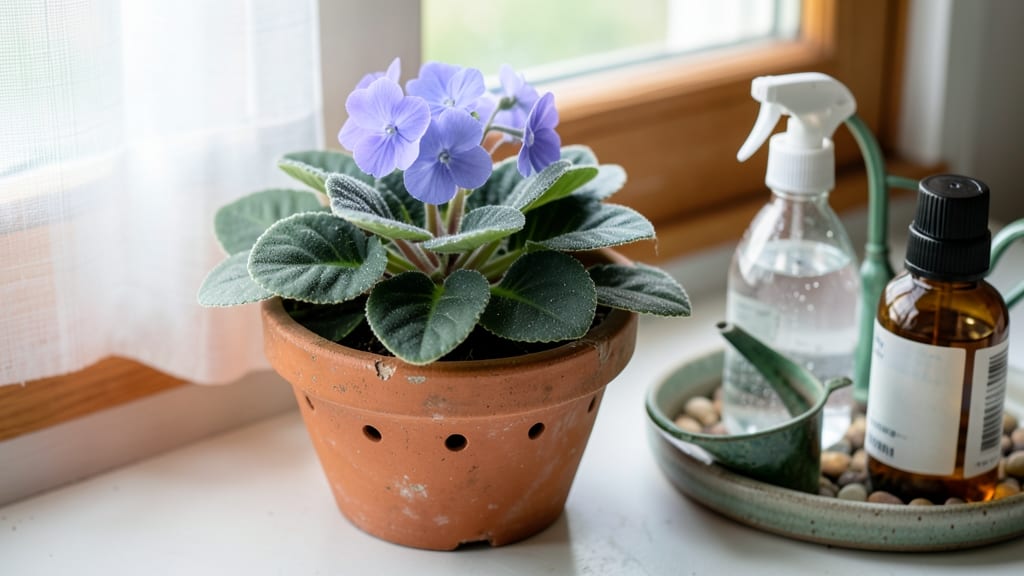
Growing flowers indoors gives you color and fragrance no matter the season—even in my dim apartment, African violets and peace lilies thrive with the right light tricks. 🌸 The key isn't fancy equipment but understanding how these plants naturally grow: they want bright, indirect light, consistent moisture, and a little humidity boost.
Most people overwater or move plants around too much, which stresses them out. You'll need just a few basics: small pots with drainage, well-draining soil, and a way to supplement light (a simple grow bulb works wonders). My setup costs under $30 and fits on a windowsill or desk.
The real magic happens when you match the plant's needs to your space—some varieties handle low light better than others, and that's where the blooms keep coming. By the end of the season, you'll have lush foliage and regular blooms, even in winter.
The air feels fresher, your space brighter, and you'll actually enjoy caring for plants instead of dreading their upkeep. This method works for any indoor space, from sunny apartments to dark basements with grow lights.
Here's how to get started without killing your first plant—honestly, I've killed more than I'd like to admit, but these tricks work every time.
📚 In This Guide
- What you need
- Instructions
- Tips and common mistakes
- Wrapping up and next steps
What you need
- ● Containers: 4-6-inch pots (or repurposed containers with drainage holes—think mugs, tin cans, or even old boots!)
- ● Well-draining potting mix: 1-2 bags of lightweight, airy soil (avoid garden soil—it’s too dense!). Look for a mix labeled "seed starting" or "potting soil."
- ● Flowers: Choose low-light tolerant varieties like African violets, peperomias, snake plants, or peace lilies. Start with 3-5 plants for variety!
- ● Drainage trays or saucers: 1-2 shallow trays to catch excess water and prevent root rot.
- ● Watering can or spray bottle: A fine-mist sprayer works best for delicate flowers.
- ● Grow lights: LED or fluorescent lights (12-16 hours/day) for low-light spots. Look for full-spectrum bulbs!
- ● Humidity tray: A shallow tray filled with pebbles and water to boost moisture levels (great for tropical flowers).
- ● Fertilizer: A balanced liquid fertilizer (10-10-10 or 20-20-20) to feed your blooms every 4-6 weeks.
- ● Decorative accents: Paint, pebbles, or mosaic tiles to customize your containers and add flair!
- ● Thermometer/hygrometer: To monitor temperature (65-75°F) and humidity (40-60%) for optimal growth.
Step-by-Step instructions for growing flowers indoors
Here’s how to coax vibrant blooms indoors—even in dim corners—using plants that thrive with minimal fuss.
🌱 Step 1: Choose the Right Indoor Flowers
Start with low-light-tolerant varieties like African violets, peace lilies, or spider plants—these handle indoor conditions best. Avoid sun-loving flowers like geraniums or petunias unless you’ve got a south-facing window with 6+ hours of direct light. I always check the plant tag for light requirements before buying, because mismatched lighting leads to leggy stems and sparse blooms.
For 4 plants, pick a mix of foliage and flowering types. African violets and peace lilies bloom reliably indoors, while snake plants and pothos add texture without needing much light. Place taller plants (like Dracaenas) in the back and shorter bloomers (like violets) in front for a layered look.
🪴 Step 2: Select Containers and Soil
Use 6-8 inch pots with drainage holes—terracotta or ceramic work best because they wick away excess moisture. Skip plastic unless it’s labeled "self-watering," as it traps dampness and invites root rot. Fill each pot with well-draining potting mix (never garden soil—it compacts and suffocates roots).
Tap the pot gently after filling to settle the soil, but don’t pack it down. The mix should feel light and airy, like a damp sponge. Pre-moisten the soil with lukewarm water until it’s evenly damp but not soggy. This step prevents dry pockets that can stunt root growth.
☀️ Step 3: Position for Optimal Light
Most indoor flowers need bright, indirect light—think 4-6 feet from a south or east window. If your space is dim, supplement with a grow light (LED or fluorescent) placed 6-12 inches above the plants for 12-14 hours daily. You’ll notice leaves stretching toward the light? That’s a sign to move the plant closer or raise the light.
Rotate pots quarter-turn weekly so all sides get even exposure. This prevents lopsided growth and ensures blooms face outward. For low-light spots, choose shade-tolerant varieties like ZZ plants or cast-iron plants—they’ll survive with just ambient light but may bloom less frequently.
💧 Step 4: Water and Maintain Humidity
Water when the top inch of soil feels dry—stick your finger in to check. Overwatering is the #1 killer of indoor flowers, so always drain excess from saucers after 10 minutes. I use a spray bottle to mist foliage 2-3 times weekly, especially in dry climates, because many indoor flowers (like African violets) thrive in 50-60% humidity.
Group plants together to create a microclimate, or place pots on a pebble tray filled with water and gravel. Avoid cold drafts (like AC vents) or hot spots (near heaters), as temperature swings stress plants. Most indoor bloomers prefer 65-75°F—consistent temps keep them happy and flowering.
✂️ Step 5: Encourage Blooms and Prune Regularly
Deadhead spent blooms weekly to redirect energy into new flowers. Pinch back leggy stems just above a leaf node to encourage bushier growth. For African violets, I gently twist off faded blooms with my fingers—no snipping required. This simple habit keeps plants producing flowers instead of seed pods.
Fertilize every 4-6 weeks with a balanced liquid fertilizer (like 10-10-10) diluted to half-strength. Too much fertilizer burns roots, so always follow the label. In winter, cut back to once every 8 weeks—plants grow slower in low light and need less food.
⏰ Step 6: Troubleshoot and Adjust
Yellow leaves? Usually means overwatering—let the soil dry out more between waterings. Brown leaf tips? Low humidity—increase misting or move plants near a bathroom shower (the steam helps!). No blooms? Boost light or switch to a high-phosphorus fertilizer (like 5-10-5) to encourage flowering.
If pests appear (like spider mites), isolate the plant and wipe leaves with neem oil or a damp cloth. I’ve found that prevention works best—keep plants dust-free and inspect new additions before bringing them home. With these adjustments, your indoor flowers will reward you with year-round color—no greenhouse required!
Tips & tricks for perfect indoor flower growth
Here's what nobody tells you about keeping your indoor blooms thriving year-round—these tricks will save you from common pitfalls.
Light Placement Precision: In Step 3, when positioning your plants 4-6 feet from windows, pay attention to the time of day. Morning sun is gentler than afternoon heat, so rotate your plants quarter-turn weekly to balance exposure. I've noticed African violets in east-facing windows bloom more consistently than those in south-facing spots because they avoid the intense midday rays. For grow lights, position them just 6 inches above the tallest plant—closer than 6 inches can scorch leaves, while 12+ inches may not provide enough intensity.
Soil Preparation Secret: The instructions mention pre-moistening soil in Step 2, but here's the real trick: add a handful of perlite or vermiculite to your potting mix for every 6-8 inch pot. This creates tiny air pockets that prevent compaction, and I've found it reduces watering frequency by about 20%. Tap the pot gently after filling to settle the mix, but avoid packing it down—this mimics natural soil aeration and helps roots breathe. For added insurance, I always check the soil's moisture level by sticking my finger in about 1 inch deep before watering.
Fertilizer Timing Tip: The instructions suggest fertilizing every 4-6 weeks, but here's a pro move: switch to a high-phosphorus formula (like 5-10-5) in late winter to encourage blooming. I've seen plants that get this seasonal boost produce flowers 3-4 weeks earlier than those on regular fertilizer. Always dilute to half-strength—too much fertilizer can burn roots, and you'll notice this through yellowing leaves or stunted growth. In winter, when natural light decreases, I cut back to once every 8 weeks, as plants grow slower and need less nutrition.
Humidity Hack: For plants like African violets that thrive in 50-60% humidity, I've found a simple solution that works better than pebble trays: place pots on a tray filled with dampened pebbles and cover with a clear plastic dome (like a large plastic bowl). This creates a mini greenhouse effect that maintains consistent humidity without overwatering the soil. Just remember to remove the dome for 10 minutes daily to prevent mold growth. For dry climates, I also mist foliage 2-3 times weekly, but always in the morning so leaves have time to dry before evening.
Pro Tips for Grow Flowers Indoors
- Here's what nobody tells you about keeping your indoor blooms thriving year-round—these tricks will save you from common pitfalls.
- Light Placement Precision: In Step 3, when positioning your plants 4-6 feet from windows, pay attention to the time of day.
- Soil Preparation Secret: The instructions mention pre-moistening soil in Step 2, but here's the real trick: add a handful of perlite or vermiculite to your potting mix for every 6-8 inch pot.
Frequently asked questions
Got questions about growing flowers indoors? You’re not alone! Here are answers to the most common concerns—from lighting hacks to troubleshooting wilting blooms—so you can keep your indoor garden thriving.
What are the easiest flowers to grow indoors for beginners?
Start with low-maintenance varieties like African violets, peperomias, or spider plants. These thrive in indirect light, need minimal water, and bloom reliably. For quick color, try geraniums or bromeliads—both are forgiving and add instant charm to any space!
How often should I water indoor flowers?
Check soil moisture weekly—stick your finger 1 inch deep. Water only when the topsoil feels dry. Overwatering is the #1 killer! Most indoor flowers prefer slightly dry conditions; use pots with drainage holes to prevent root rot. Pro tip: Group plants together to create a humid microclimate!
Can I grow flowers indoors without natural sunlight?
Use grow lights (LED or fluorescent) 12–16 hours daily, 6–12 inches above plants. For budget-friendly options, place flowers near south-facing windows or rotate pots to ensure even light exposure. Succulents and snake plants tolerate low light best if sunlight is truly scarce.
Why are my indoor flowers wilting or dropping leaves?
Wilting often signals overwatering or underwatering. Yellow leaves = too much water; crispy edges = too little. Check for pests (like spider mites) on undersides of leaves. Adjust light, humidity, or repot if roots are crowded. Stress sign: Dropping buds? They need more light or less draft!
Do indoor flowers need fertilizer, and how much?
Yes! Use a balanced liquid fertilizer (like 10-10-10) every 4–6 weeks during growing season (spring–fall). Dilute to half-strength for sensitive plants. Skip fertilizing in winter when growth slows. Organic option: Try compost tea or worm castings for a gentle boost!
Wrapping up and next steps
Growing flowers indoors isn’t just possible—it’s a rewarding way to bring nature’s beauty into your space, even with limited light! 🌱 From choosing the right varieties like peace lilies or African violets to mastering low-light hacks and troubleshooting common issues, you now have all the tools to cultivate vibrant blooms year-round.
Start small, stay patient, and watch your green thumb flourish.
Ready to dive in? Pick one low-light flower from your list, gather your supplies, and give it a try—your indoor garden awaits! 🌸