
Propagation
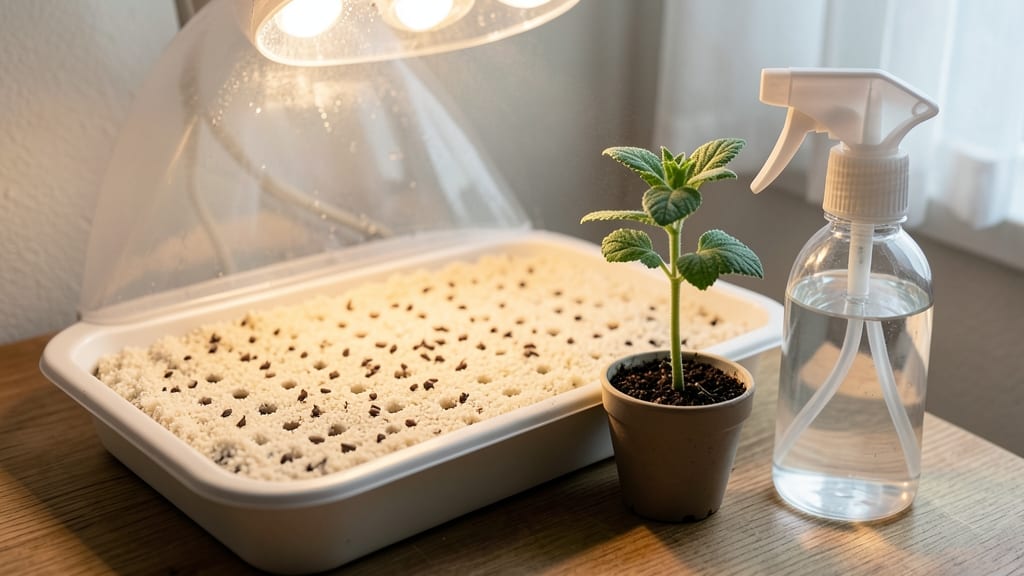
Growing snapdragons from seed indoors lets you beat the heat and get bold, bi-color blooms weeks before store-bought plants arrive. ✨ I’ve started seeds in dark closets and still gotten sturdy seedlings—no fancy grow lights required. The key is patience and a few simple tricks that prevent the dreaded damping-off.
Start with soaked seeds (24 hours in warm water) planted just ¼-inch deep in moist, sterile mix. A clear plastic bag over the container creates a mini greenhouse, and a warm spot (70°F+) speeds germination in 7–14 days. Overwatering is the silent killer—keep the soil damp, not soggy.
Once sprouts appear, thin to the strongest seedlings and move them to brightest light you’ve got. South-facing windows or a basic LED bulb works—just 12 hours of light daily keeps them from stretching leggy. By transplanting at 4–6 weeks, you’ll have blooms by early summer.
This method works for any variety, from dwarf ‘Tom Thumb’ to towering ‘Black Knight’. The secret? Consistency. Stick with it, and you’ll have snapdragons blooming in pots, borders, or cut-flower arrangements—all from seeds you grew yourself.
📚 In This Guide
- What you need
- Instructions
- Tips and common mistakes
- Wrapping up and next steps
What you need
- ● Snapdragon seeds: Choose heirloom or hybrid varieties (e.g., 'Rocket', 'Matrix', or 'Black Prince'). Aim for 5–10 seeds per container for a full display.
- ● Seed-starting trays or pots: Use biodegradable peat pots (3–4 inches deep) or plastic cell trays with drainage holes. A 1020-cell tray works well for bulk starts.
- ● Seed-starting mix: A sterile, well-draining mix (e.g., 50% peat moss + 50% perlite or coconut coir). Avoid garden soil—it’s too dense!
- ● Grow lights or LED bulbs: A full-spectrum LED grow light (e.g., 12–16 watts per square foot) or fluorescent bulbs (4000–6500K). Place lights 2–4 inches above seedlings for zero-light-hack efficiency.
- ○ Heat mat (optional but helpful): A seedling heat mat (set to 70–75°F) speeds up germination for faster blooms.
- ● Spray bottle: For gentle watering (16–20 oz with a fine mist nozzle).
- ● Humidity dome or plastic wrap: Creates a mini greenhouse to retain moisture until germination.
- ● Fertilizer: A balanced liquid fertilizer (e.g., 10-10-10 or fish emulsion) diluted to half-strength once seedlings sprout 2 true leaves.
- ● Tweezers or small spoon: For carefully placing tiny seeds (0.1–0.2 inches deep).
- ○ Timer (optional): To automate grow lights (14–16 hours/day for optimal growth).
- ● Labeled markers or sticks: To track seed varieties and planting dates.
Step-by-Step instructions for starting snapdragons indoors
Here's my foolproof method for coaxing snapdragons from seed—no fancy grow lights required.
🌱 Step 1: Prepare Containers and Seedling Mix
Use 4-inch diameter pots or a seed tray with individual cells for each of your 4 plants. Fill them with a sterile seed-starting mix—never garden soil, as it compacts and suffocates tender roots. Moisten the mix until it feels like a wrung-out sponge: damp but not dripping. Tap the containers gently to settle the soil without compacting it.
I like to press the mix down just enough to create a firm surface—this prevents seeds from sinking too deep when watered. A loose, airy mix ensures roots establish quickly without rot. For extra insurance, sprinkle a pinch of perlite on top to improve drainage and prevent damping-off.
💧 Step 2: Sow Seeds and Maintain Moisture
Scatter 2-3 seeds per cell—snapdragons germinate easily, and you can thin later. Press them lightly into the surface (about ⅛ inch deep); they need light to germinate, so don’t bury them. Cover the tray with a clear plastic dome or plastic wrap to trap warmth and moisture. Place it in a spot where the soil stays consistently 65-70°F—a sunny windowsill or on top of a refrigerator works well.
Check daily for condensation on the dome. Mist lightly with a spray bottle if the soil feels dry to the touch, but avoid soaking it. Overwatering now will drown your seeds before they sprout. Germination typically takes 7-14 days—patience is key, as cooler temps delay the process.
☀️ Step 3: Provide Light Without Grow Lights
Once seedlings emerge, remove the dome immediately to prevent fungal growth. Place them near a south-facing window where they’ll get 6+ hours of indirect light daily. If your window isn’t bright enough, snapdragons adapt well to fluorescent shop lights (even a simple bulb works). Position the light 6 inches above the plants and keep it on for 12-14 hours daily.
Watch for leggy growth—thin, stretched stems with pale leaves. This means your light is too far away or too weak. Rotate the pots a quarter turn daily so plants grow straight, not lopsided. Strong seedlings will have thick stems and dark green leaves spaced closely together.
✂️ Step 4: Thin and Harden Off Seedlings
When seedlings reach 2 inches tall and show their first true leaves (not the initial seed leaves), thin to the strongest plant per cell. Use scissors to snip weak stems at soil level—pulling risks disturbing the roots of remaining plants. Water gently after thinning to help roots recover.
Two weeks before your last frost date, start hardening off. Place seedlings outside in a sheltered spot for 1-2 hours the first day, gradually increasing time over 10 days. Choose an overcast day for their first outing to avoid leaf burn. By the time they’re ready to transplant, they’ll be tough enough to handle full sun and wind.
🪴 Step 5: Transplant for Long-Stemmed Blooms
Move seedlings to their final location in well-draining soil, spacing them 12-18 inches apart in rows. Snapdragons love full sun but tolerate partial shade in hot climates. Water deeply at the base after transplanting to encourage root growth. Avoid wetting leaves to prevent disease.
Pinch back the tips of young plants when they’re 6 inches tall to encourage bushier growth and more blooms. This is where snapdragons shine—they’ll reward your patience with tall, colorful spikes that last for weeks. Deadhead spent blooms regularly to keep flowers coming all season.
Tips & tricks for perfect snapdragon seedlings indoors
Here's what I learned after growing snapdragons from seed for years—these tricks make all the difference when you're working without grow lights.
Temperature Matters: The 65-70°F range in Step 2 is critical for germination, but consistency is key. If your home runs cooler, place the seed tray on top of your refrigerator—it stays warm without overheating. Avoid placing seeds near vents or drafts, which can cause uneven germination. A simple thermometer near the tray ensures you're maintaining that perfect range.
The Light Hack: In Step 3, when using fluorescent shop lights, position them just 6 inches above the seedlings—closer than you might think. I've found that even a basic bulb works if you keep it on for the full 12-14 hours daily. For extra efficiency, use a timer to automate the light cycle and free up your hands for other tasks. This mimics natural daylight perfectly and prevents leggy growth.
Thinning Technique: When thinning in Step 4, I always use clean, sharp scissors to snip stems at soil level rather than pulling. This prevents disturbing the roots of your remaining plants and keeps the soil structure intact. After thinning, give the seedlings a gentle watering to help them recover—you'll notice stronger growth within days.
Hardening Off Strategy: For the hardening off process in Step 4, start with just 1-2 hours on the first day, even if your seedlings look tough. Gradually increase time over 10 days to let them adjust to outdoor conditions. I've found that choosing an overcast day for the first outing prevents leaf burn and reduces stress on the plants.
Pro Tips for Grow Snapdragons From Seed Indoors
- Here's what I learned after growing snapdragons from seed for years—these tricks make all the difference when you're working without grow lights.
- Temperature Matters: The 65-70°F range in Step 2 is critical for germination, but consistency is key.
- The Light Hack: In Step 3, when using fluorescent shop lights, position them just 6 inches above the seedlings—closer than you might think.
Frequently asked questions
Got questions about growing snapdragons from seed indoors?
You’re not alone! Here are answers to the most common queries—plus a few pro tips to keep your seedlings thriving.
How soon will snapdragon seeds germinate indoors?
Snapdragon seeds typically sprout in 7–21 days, depending on temperature and moisture. Keep them in a warm spot (around 65–75°F) and maintain consistent dampness. Patience is key—some varieties (like Antirrhinum majus) may take longer. If nothing emerges after 3 weeks, gently check for mold or rot and replant fresh seeds.
Can I start snapdragons too early indoors?
Yes, but timing matters! Start seeds 8–10 weeks before your last frost date for optimal transplanting. If you begin too early (e.g., winter), seedlings may become leggy or overcrowded. Use grow lights (12–16 hours/day) to prevent stretching. For zero-light setups, opt for a seedling heat mat to speed germination and adjust timing accordingly.
Why are my snapdragon seedlings dying after germination?
Common culprits include overwatering (root rot), poor drainage, or chilly temps. Ensure pots have drainage holes and use a seed-starting mix (not garden soil). Thin seedlings to 1 inch apart once they have 2–3 leaves to reduce competition. If leaves turn yellow or mushy, act fast—reduce watering and improve airflow.
Do snapdragons need light indoors if I don’t have a sunny window?
Snapdragons crave light—without it, they’ll grow tall and weak (a condition called "etiolation"). If natural light is limited, use LED grow lights (12–16 hours/day) 2–4 inches above seedlings. For a budget fix, place trays under fluorescent shop lights (cool white or full-spectrum). Rotate trays daily for even growth.
Can I grow snapdragons from seed indoors year-round?
Technically yes, but timing affects blooms! Start seeds in early spring for summer flowers or late summer for fall/winter blooms (if your climate allows). Indoors, you can extend seasons with grow lights, but snapdragons prefer cooler temps (60–70°F) for flowering. For year-round growth, consider dwarf varieties like 'Tom Thumb', which thrive in containers.
What’s the best way to harden off snapdragon seedlings before transplanting?
Acclimate seedlings 7–10 days before moving them outside. Start by placing them in a shady, sheltered spot for 1–2 hours daily, gradually increasing exposure to sun and wind. Avoid direct sunlight at first—it can scorch tender leaves. By day 7, they should handle full outdoor conditions. Water well before and after hardening to reduce stress.
Wrapping up and next steps
Growing snapdragons from seed indoors is a rewarding journey—especially when you master the zero-light hacks to jumpstart germination! With the right setup, patience, and care, you’ll soon enjoy vibrant blooms that brighten up your space. 🌱
Now that you’re armed with the know-how, take the next step: grab those seeds, set up your seed-starting station, and watch your garden come to life! Share your progress or ask questions in the comments—happy growing! 🌸