
Planting
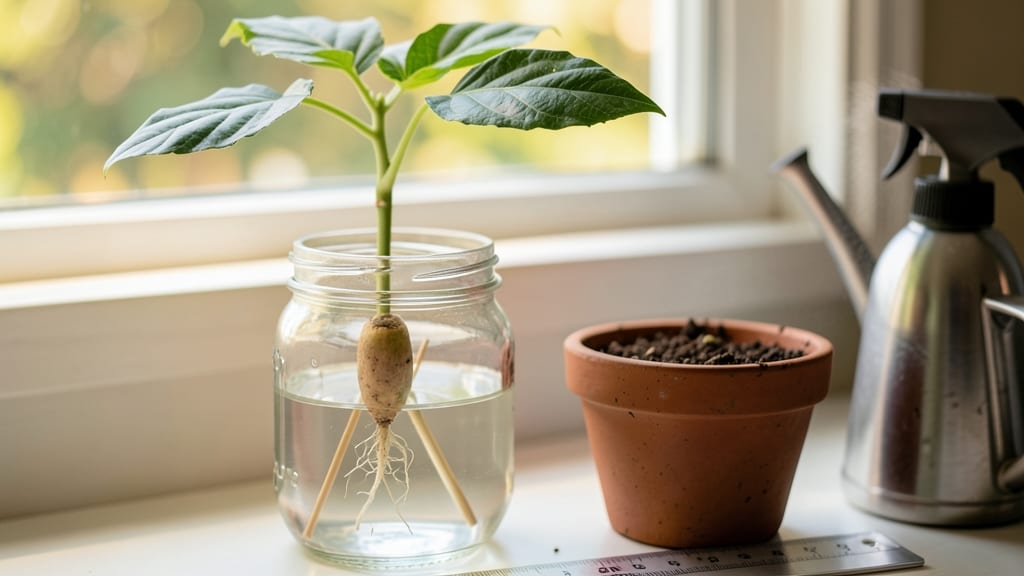
Planting an avocado seed indoors turns kitchen scraps into a living plant that could grow for decades. 🌱 The process is shockingly simple—no green thumb required—just a seed, a glass of water, and patience.
My first attempt sprouted roots within weeks, and now I’ve got a thriving houseplant that’s more interesting than any store-bought succulent.
You’ll need just three things: a fresh avocado pit (save it from your next guacamole), three toothpicks, and a jar of water. No fancy tools or expensive soil—this is the ultimate beginner project.
The key is keeping the pit submerged just enough to encourage roots without rotting it. Within 2-6 weeks, you’ll see roots growing like tiny green hairs.
Once roots reach 2-3 inches, transplant into soil and watch it grow into a lush, tropical-looking tree. It won’t bear fruit for years (if ever), but the journey is the reward—leafy, glossy, and impossible to kill.
The best part? You’ll have a conversation piece that proves plants can grow from something as humble as a seed.
Troubleshooting is easy: if mold appears, change the water; if growth stalls, move it to brighter light. Perfect for kids, apartments, or anyone who wants a low-maintenance, high-reward project. Let’s get growing!
📚 In This Guide
- What you need
- Instructions
- Tips and common mistakes
- Wrapping up and next steps
What you need
- ● 1 fresh avocado pit – Choose a seed from a ripe, organic avocado (the fresher, the better!).
- ● 3-4 toothpicks or wooden skewers – For balancing the seed while it sprouts.
- ● 1 small glass or jar – A clear container (like a mason jar) with a wide enough opening to fit the seed.
- ● Water – Room-temperature, filtered water (change it every 2-3 days).
- ● Potting soil – A well-draining, organic mix (like cactus or succulent soil).
- ● 1 small pot (6-8 inches in diameter) – With drainage holes to prevent root rot.
- ○ Optional: Rock or pebble – To stabilize the seed in the water.
- ● Plant food or fertilizer – A balanced, water-soluble fertilizer (like 10-10-10) for faster growth.
- ● Grow lights or sunny windowsill – If natural light is limited (avocados love bright, indirect light).
- ● Humidity tray or plastic wrap – To keep the soil moist while the seedling establishes.
- ● Spray bottle – For gentle watering once the seedling is potted.
Step-by-step instructions for growing an avocado tree from a pit
This is the foolproof method I've used to grow four thriving avocado trees—no green thumb required.
🌱 Step 1: Prepare the Avocado Pit for Germination
Start by washing the pit thoroughly to remove any remaining fruit residue. I like to use a soft brush and warm water to clean every crevice—this prevents mold from taking hold during germination. Once clean, insert 3-4 toothpicks evenly around the pit's middle, leaving about ½ inch of space between them. These will suspend the pit above water without letting it touch.
Fill a small glass or jar with 2-3 inches of tap water at room temperature. Gently lower the pit onto the toothpicks so it floats just above the waterline. The key here is patience—place the setup in a warm, bright spot (like a south-facing windowsill) but avoid direct sunlight for the first week. You'll see the first signs of germination as a small bump emerges near the top of the pit within 2-4 weeks.
💧 Step 2: Monitor Water and Root Growth
Keep the water level consistent—top off with fresh water every 3-4 days or whenever it drops below the toothpicks. I change the water completely once a week to prevent bacterial buildup. You'll notice roots growing downward within 4-6 weeks, but don't rush to transplant yet. Wait until you see a 2-3 inch root system and a 2-3 inch sprout before moving forward.
Here's the thing—don't let the pit sit in stagnant water. If the water turns cloudy or smells funky, dump it and rinse the jar thoroughly. The roots need oxygen, not a bacterial bath. I like to swirl the jar gently once a week to oxygenate the water and encourage faster growth.
☀️ Step 3: Transplant to Soil When Ready
Once your avocado seedling has a 3-4 inch stem and 2-3 inch roots, it's time to transition to soil. Fill a 6-inch pot with well-draining potting mix—avoid garden soil, which compacts easily. Create a small hole in the center and gently place the seedling in, burying it up to its first set of leaves. Press the soil lightly around the base to secure it without compacting.
Water thoroughly until you see moisture trickle from the drainage hole, then let it drain completely. Place the pot in a spot with bright, indirect light—think filtered sunlight rather than harsh afternoon rays. You'll know it's getting enough light when the leaves stay a vibrant green and don't stretch toward the window.
🌿 Step 4: Establish Care Routine for Long-Term Growth
After transplanting, wait 1 week before fertilizing. Use a balanced liquid fertilizer (10-10-10) diluted to half-strength to avoid burning tender roots. I fertilize every 4-6 weeks during the growing season (spring and summer). Water when the top 1-2 inches of soil feel dry—overwatering is the fastest way to kill your young tree.
Rotate the pot a quarter turn weekly to ensure even growth toward the light. You'll notice new leaves emerging within 2-3 months, signaling healthy development. By year two, your avocado tree can handle outdoor conditions, but keep it in a sheltered spot until it's at least 3 feet tall—frost will kill it instantly.
Tips & tricks for growing an avocado tree from a seed
These simple but game-changing tips will help you avoid common pitfalls and maximize your avocado seedling's success rate.
Toothpick Placement: Position those 3-4 toothpicks symmetrically around the pit's middle—think of them as a tiny suspension bridge. If they're uneven, the pit might tilt and develop uneven roots. I like to use wooden toothpicks because they're sturdy enough to hold the pit but won't damage it when removed later.
Germination Environment: The warm, bright spot I mentioned should ideally be between 65-75°F. Too cold and germination slows dramatically; too hot and the pit can rot. A south-facing windowsill works well, but if your home gets too hot, move it to a spot with indirect light and slightly cooler temps. The first week is critical—avoid direct sunlight to prevent overheating.
Transplant Timing: Waiting for that 3-4 inch stem and 2-3 inch roots before transplanting is non-negotiable. Rushing this step often leads to root damage or stunted growth. I've seen seedlings with just 1-inch roots fail to establish properly in soil, while those with proper root systems thrive. When in doubt, wait an extra week—roots grow faster than you think!
Soil Preparation: That 6-inch pot should have drainage holes—no exceptions. Avocado trees hate soggy feet! Mix your well-draining potting soil with a bit of perlite or coarse sand (about 10% of the total volume) to improve aeration. This prevents compaction and gives young roots room to breathe as they establish.
Pro Tips for Plant An Avocado Seed Indoors
- These simple but game-changing tips will help you avoid common pitfalls and maximize your avocado seedling's success rate.
- Toothpick Placement: Position those 3-4 toothpicks symmetrically around the pit's middle—think of them as a tiny suspension bridge.
- Germination Environment: The warm, bright spot I mentioned should ideally be between 65-75°F.
Frequently asked questions
Got questions about growing an avocado tree from a seed?
You’re not alone! Here are answers to the most common queries to help you avoid pitfalls and boost your success rate.
How long does it take for an avocado seed to sprout?
Patience is key! Most avocado seeds take 2–6 weeks to sprout indoors, depending on warmth (70–85°F) and moisture. Keep the toothpicks damp but not soggy—consistency speeds up germination. If nothing happens after 8 weeks, your seed may not be viable. No worries, try another!
Can I plant an avocado seed directly in soil without the water method?
Yes, but success rates drop. The water method (rooting in a glass) gives you control over humidity and root health. If you skip it, bury the seed halfway in moist potting mix, label it, and keep soil damp. Just be ready to monitor for rot or mold—direct planting is riskier for beginners!
Why is my avocado seed rotting in water?
Overwatering or poor airflow is usually the culprit. Never submerge the seed entirely—only the bottom 1–2 inches should touch water. Change the water every 2–3 days to prevent bacterial growth. If mold appears (fuzzy black/green spots), rinse the seed with hydrogen peroxide (1 part to 4 parts water) and restart with fresh water.
How big will my indoor avocado tree grow?
Indoor avocado trees stay small—typically 6–10 feet tall with proper care, but most max out at 3–5 feet in pots. Prune regularly to control size and encourage bushier growth. If you want fruit, you’ll need a large container (15+ gallons) and bright, indirect light year-round. Outdoor trees can reach 50+ feet!
Will my indoor avocado tree ever produce fruit?
Unlikely! Indoor trees rarely fruit because they need full sunlight (6+ hours/day), pollination, and years of maturity (5–13 years). Even then, homegrown avocados are usually small and bland. Save the fruit for toasting—grow the tree for its lush foliage and low-maintenance charm instead!
What do I do if my seed sprouts but the leaves turn yellow?
Yellow leaves often signal overwatering, nutrient deficiency, or pests. Let the top inch of soil dry out between waterings. Feed your seedling with a balanced fertilizer (diluted to half strength) every 2–3 months. Check for spider mites (tiny webs) or aphids—spray with soapy water if needed.
Wrapping up and next steps
Growing an avocado tree from a seed indoors is a rewarding journey that combines patience, care, and a little creativity! 🌱 With just a few simple steps—like choosing the right seed, nurturing your sprout, and providing the ideal growing conditions—you can watch your tiny seed transform into a thriving houseplant.
Whether you’re a beginner or a plant enthusiast, this project is a fun way to connect with nature and enjoy the satisfaction of seeing life grow right before your eyes.
Now that you’re ready to start, why not take the next step? Share your progress with fellow plant lovers, experiment with different varieties, or even research how to transplant your avocado tree outdoors once it’s big enough. Happy growing! 🌿