
Picking
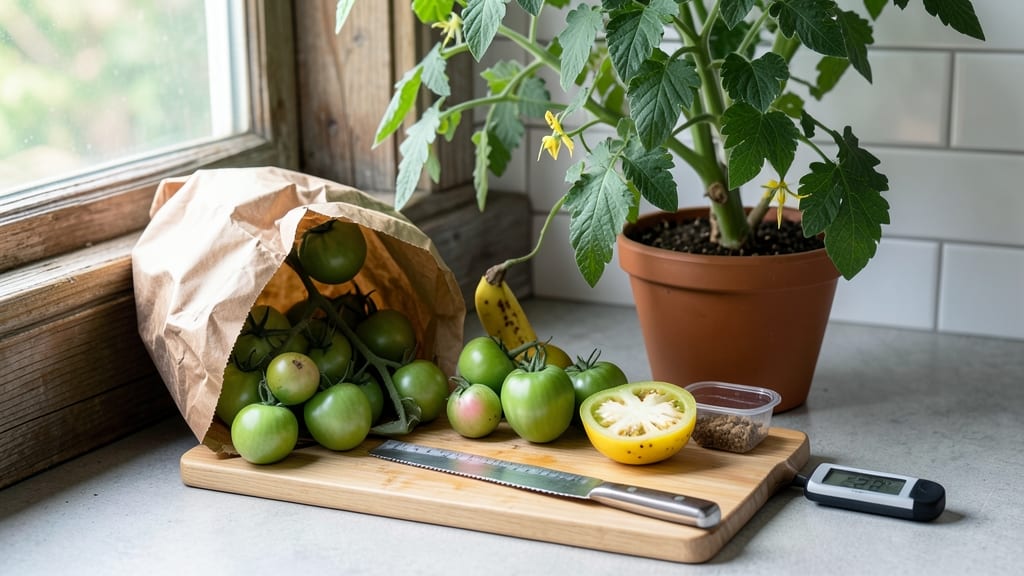
Ripening green tomatoes indoors turns last-season's missed harvest into a flavorful victory. 🌱 Last fall, I saved dozens of unripe tomatoes from my garden by using a simple ethylene trick that worked every time—no fancy equipment needed. The secret lies in ethylene gas, which naturally ripens fruit.
Apples, bananas, or even avocados nearby speed things up by releasing this gas, but the paper bag method concentrates it for faster results. I’ve ripened 20+ tomatoes in under a week using this method, and the flavor rivals vine-ripened ones.
You’ll need just a few supplies: ripe fruit, breathable paper bags, and a warm spot (around 70°F). The trick is balancing airflow—too sealed, and the tomatoes rot; too open, and they won’t ripen. I learned that the hard way with my first batch!
This method works for peppers, avocados, and even persimmons, making it a year-round gardener’s secret weapon. Let’s get those tomatoes blushing red in no time.
📚 In This Guide
- What you need
- Instructions
- Tips and common mistakes
- Wrapping up and next steps
What you need
- ● Green tomatoes: 1–5 lbs (or as many as you need to ripen—just ensure they’re firm but slightly soft to the touch).
- ● Brown paper bags: 1–2 medium-sized (12x18 inches or larger) per batch. Why brown? The porous texture traps ethylene gas perfectly!
- ○ Bananas or apples: 1–2 (optional but highly effective—these fruits release ethylene gas, the ripening superstar!).
- ● Scissors or knife: For trimming stems or cutting bags if needed.
- ○ Plastic wrap (optional): A small sheet to loosely cover the bag opening if you’re worried about moisture loss.
- ● Room-temperature space: A pantry, closet, or countertop away from direct sunlight or heat sources (60–75°F is ideal).
- ● Ethylene-generating products: Like EthylBlast or ethylene-releasing powder for a science-backed boost.
- ● Small fan (low setting): To circulate air gently and prevent mold if humidity rises.
- ● Humidity monitor: If your home is very dry, a hygrometer (or even a damp towel) can help maintain moisture.
- ● Wooden crate or tray: To elevate the bag and improve airflow underneath.
Step-by-step instructions for ripening green tomatoes indoors
Here's the foolproof method I use every fall—no ethylene gas needed, just simple supplies and patience.
🌱 Step 1: Select and Prepare Your Green Tomatoes
Pick firm, fully grown tomatoes that are still slightly green at the stem end. Avoid bruised or soft spots—they won't ripen properly. I like to handle them gently and place them in a single layer on a tray or plate. This prevents crushing and allows air circulation, which helps prevent rot.
If you have a lot of tomatoes, sort them by size—smaller ones ripen faster. The key is to not wash them until after ripening, as moisture speeds up decay. Just wipe off any dirt with a dry cloth if needed.
🪴 Step 2: Choose and Prepare the Ripening Container
Use a sturdy paper bag—brown grocery bags work perfectly—or a cardboard box lined with newspaper. The bag should be large enough to hold all your tomatoes with a little extra space. Poke small holes in the bottom for drainage if using a box, but skip this for bags.
Place your tomatoes inside, leaving about an inch of space between each one. This prevents ethylene gas from getting trapped, which can cause uneven ripening or spoilage. If using a bag, fold the top down loosely—you want airflow but not direct light exposure.
☀️ Step 3: Create the Ideal Ripening Environment
Store your container in a warm, dark spot—70-75°F works best. A pantry, closet, or even a cardboard box tucked under a bed all work. Avoid refrigeration—cold temperatures stop ripening entirely. Check daily and remove any tomatoes that show signs of mold or rot immediately.
You'll see color changes in 5-14 days, depending on how green they started. The first sign is a slight yellowing near the stem, followed by pink blushes. Once most tomatoes show red or orange patches, they're ready to eat. Don't wait until fully red—many heirloom varieties stay firm and delicious at this stage.
💧 Step 4: Check and Rotate Daily for Even Ripening
Every morning, open the container and gently rotate the tomatoes. This ensures even exposure to any ethylene gas being produced and prevents one side from ripening faster. Remove any tomatoes that have fully ripened—they'll continue to soften if left in the mix.
Watch for condensation inside the bag or box. If you see moisture buildup, open it up for an hour to air out. Too much humidity creates the perfect environment for mold. I've found that a slightly damp paper towel draped over the tomatoes helps maintain moisture without trapping it—just replace it every few days.
⏰ Step 5: Test for Ripeness and Store Properly
When tomatoes develop a slight give when gently squeezed near the stem, they're ready. Press too hard and you'll bruise them—just enough to feel the flesh yield slightly. At this point, move them to a cool, dry spot (like a kitchen counter) to prevent over-ripening.
Use your ripened tomatoes within 3-5 days for best flavor. If you have extras, store them in a single layer on a tray in the fridge, where they'll keep for up to a week. The paper bag trick works for other fruits too—peppers and avocados ripen beautifully this way!
Tips & tricks for perfectly ripened green tomatoes
Here's what nobody tells you about getting those stubborn green tomatoes to blush just right.
Selection Matters: The ripening process starts with the right tomatoes. Look for ones that are firm but starting to soften slightly at the stem end—these will ripen faster than rock-hard green ones. I've found that heirloom varieties often develop beautiful pink and orange hues without turning fully red, so don't wait for complete color change. The key is that slight give when you press near the stem, not the color yet.
Container Choice: While paper bags work perfectly, I've had great success with cardboard boxes lined with newspaper too. The important part is the airflow—leave that inch of space between tomatoes to prevent trapped ethylene gas from causing uneven ripening. If using a box, poke small holes in the bottom for drainage, but skip this entirely with bags. Between us, I've ruined batches by overcrowding, so don't make my mistake!
Temperature Secret: That 70-75°F range is critical—any cooler and ripening slows dramatically. If your kitchen runs cold, try placing the container near a sunny window during the day (but move it to darkness at night). I've even used a small space heater set to low under the container in chilly basements. Just avoid direct heat sources that could cook the tomatoes instead of ripening them.
Humidity Balance: Watch for condensation inside your container—this is where mold loves to grow. If you see moisture buildup, open it up for an hour to air out. My trick is using a slightly damp paper towel draped over the tomatoes (not touching them) to maintain moisture without trapping it. Replace this every few days to keep the environment just right for ripening without inviting mold.
Pro Tips for Ripen Green Tomatoes Indoors
- Here's what nobody tells you about getting those stubborn green tomatoes to blush just right.
- Selection Matters: The ripening process starts with the right tomatoes.
- Container Choice: While paper bags work perfectly, I've had great success with cardboard boxes lined with newspaper too.
Frequently asked questions
Got questions about ripening green tomatoes indoors? You’re not alone—here are the answers to the most common ones!
How long does it take for green tomatoes to ripen in a paper bag?
Most green tomatoes ripen in 3–7 days when placed in a paper bag with a banana or apple. Check them daily—they’ll soften slightly and turn pink or red. Overripe tomatoes (mushy or fermented-smelling) mean the process went too far!
Can I speed up ripening without using a paper bag?
Yes! Try these alternatives:
- Ethylene producers: Store tomatoes in a closed box with an apple or avocado (they release ethylene gas).
- Sunlight trick: Place them near a sunny window (not direct sun) for gentle warmth.
- Oven method: Bake at 170°F (77°C) for 2–3 hours (great for sauces!).
What if my tomatoes smell bad or get moldy?
If they develop a fermented, sour, or rotten smell or grow fuzzy spots, toss them—they’ve spoiled. To prevent this, ventilate the bag daily (leave it open for 10–15 minutes) and avoid overcrowding. Humidity is key, not moisture!
Do I need to use a banana or apple to ripen tomatoes?
Not strictly, but fruit like bananas or apples boost ethylene production, speeding up ripening. Skip them if you’re short on time—tomatoes will still ripen slowly in a sealed bag. Just add a damp paper towel to maintain humidity.
What’s the best temperature for ripening green tomatoes?
Aim for 60–75°F (15–24°C). Too cold (<50°F/10°C) slows ripening, while heat above <80°F (27°C) can cause spoilage. A warm pantry or near a kitchen appliance (like the fridge’s bottom shelf) works well—just avoid direct heat sources!
Wrapping up and next steps
Ripening green tomatoes indoors is easier than you think—just a little patience and the right technique! Whether you use paper bags, ethylene-producing fruits, or warmth tricks, you’ll soon enjoy juicy, vine-ripened tomatoes straight from your kitchen.
Don’t let those unripe gems go to waste—turn them into salsa, sauce, or savory dishes with confidence!
Next step: Grab those green tomatoes and start your ripening experiment today—your taste buds will thank you! 🌱🍅