
Container Gardens
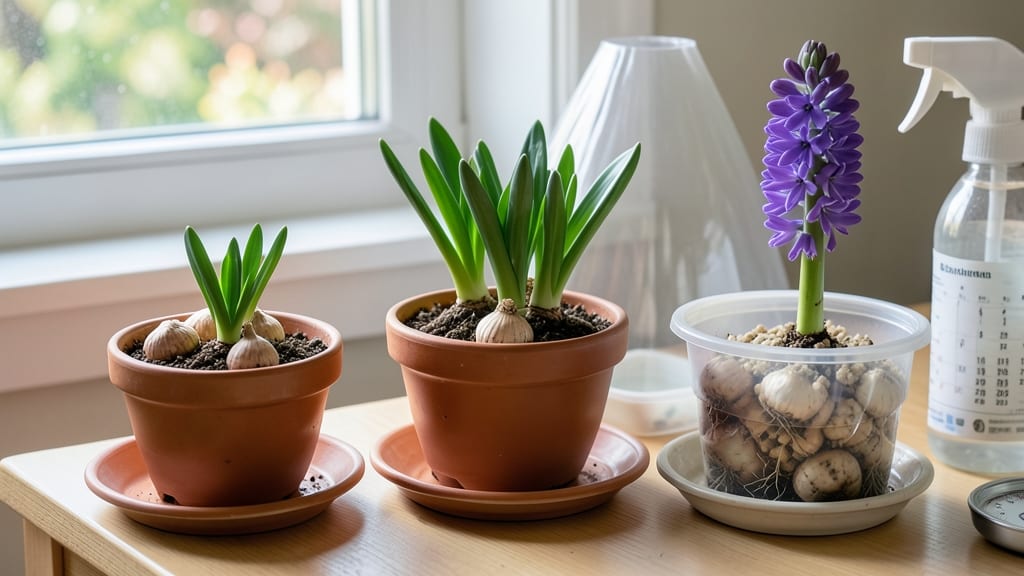
Forcing hyacinth bulbs indoors delivers fragrant spring blooms when snow still blankets the ground. 🌸 I’ve turned my kitchen into a winter greenhouse by following this simple method—no fancy equipment required, just patience and the right timing.
The secret lies in mimicking nature’s chilling process, which tricks bulbs into blooming weeks early.
You’ll need just three things: large bulbs (the bigger, the better), a shallow container, and a dark, cool spot for chilling. Most garden centers sell forcing bulbs in fall, but even regular hyacinths work if they’re firm and free of soft spots.
The key is patience—plant them 6-8 weeks before you want blooms, and they’ll reward you with clusters of perfume that fill a room.
By the time you’re ready to display them, you’ll have vibrant stems reaching 12-18 inches tall, each topped with a cascade of flowers. The scent alone—sweet, intoxicating—makes it worth the wait. Plus, these bulbs can be replanted outdoors after blooming, giving you a two-season gift.
Perfect for holiday tables, Valentine’s Day surprises, or just beating winter blues. Here’s how to make it happen without a single wilted stem in sight.
📚 In This Guide
- What you need
- Instructions
- Tips and common mistakes
- Wrapping up and next steps
What you need
- ● Hyacinth bulbs: 3–5 bulbs per container (choose common varieties like 'Delft Blue,' 'Anna Marie,' or 'Woodstock' for vibrant colors and fragrance).
- ● Containers: 1–2 shallow, wide pots (6–8 inches deep) with drainage holes, or
- ● A hyacinth bulb forcing pot (pre-designed with drainage and no soil needed).
- ● Pebbles or gravel: 1–2 inches (for drainage in soil-based setups).
- ● Potting mix: Well-draining, bulb-specific mix (or a blend of potting soil + perlite/sand for aeration).
- ● Water: Room-temperature, not chlorinated (let tap water sit out for 24 hours if needed).
- ● Gloves: (To protect hands from sap—hyacinths can be mildly irritating.)
- ● Spray bottle: (For gentle watering post-planting.)
- ● Fertilizer: Balanced water-soluble fertilizer (5-10-5 ratio, diluted to half-strength) after roots sprout.
- ○ Decorative elements: (Optional: pebbles, moss, or a saucer for a polished look.)
- ● Grow lights: (If placing in low-light areas, a full-spectrum LED for 12–14 hours/day.)
Step-by-step instructions for forcing hyacinth bulbs indoors
Here's how to coax fragrant spring blooms indoors with just a few simple supplies and patience.
🌱 Step 1: Select and Prepare Healthy Bulbs
Choose firm, plump hyacinth bulbs with no soft spots or mold—these are your foundation for success. I always inspect each bulb closely, discarding any that feel lightweight or have dried-out bases. The goal is to pick bulbs that are 2-3 inches in diameter, as these will produce the most robust blooms.
Soak the bulbs in lukewarm water for 12 hours before planting. This hydrates them and kickstarts root growth. I use a shallow dish and let them soak just until the water cools—no need to leave them submerged overnight. After soaking, gently pat them dry with a paper towel to prevent rot.
🪴 Step 2: Plant in Containers with Proper Drainage
Fill a wide, shallow container—like a terracotta pot or decorative bowl—with well-draining potting mix mixed with 20% perlite. The mix should be loose enough to let roots spread easily but hold moisture without becoming soggy. I press the soil down lightly to create a firm base, then make small holes about 2 inches deep.
Place each bulb in its hole with the pointed end facing up. Space them 1 inch apart so they don’t compete for nutrients. Cover the bulbs with soil, leaving the top third exposed—this is crucial for forcing. Water gently until the soil feels evenly moist but not waterlogged. The bulbs should feel snug but not crowded.
☀️ Step 3: Provide Cool, Dark Conditions for Root Growth
Hyacinths need 6-8 weeks of cool, dark conditions to encourage strong root growth before blooming. I place the container in a dark closet or under the sink, where temperatures stay between 45-55°F. A cool basement works too, but avoid areas with drafts or temperature fluctuations.
Check the soil weekly—it should stay lightly moist, like a wrung-out sponge. If the surface dries out, water gently, but never let water pool in the saucer. After 4-6 weeks, you’ll see tiny white roots pushing through the drainage holes. This is your signal to move the bulbs to brighter conditions.
⏰ Step 4: Transition to Light and Watch for Blooms
When roots appear, move the container to a bright, indirect light spot—like a sunny windowsill or under a grow light. Keep the soil consistently moist but not soggy. You’ll notice the stems begin to sprout within 1-2 weeks, growing rapidly toward the light.
Rotate the pot a quarter turn daily to keep stems straight and prevent leaning. Once flower buds form, reduce watering slightly—too much moisture can cause the stems to flop. With proper care, you’ll see vibrant blooms in 2-3 weeks, filling your home with their intoxicating fragrance.
🌿 Step 5: Maintain and Enjoy Your Blooms
Once the flowers open, keep the soil lightly moist and the pot in bright light. Deadhead spent blooms by snipping the stems just above the next set of buds to encourage reblooming. I also move the pot to a cooler spot at night—like a windowsill away from heat vents—to prolong the display.
After blooming, the bulbs will yellow and die back. Let the soil dry out completely, then store the container in a cool, dark place for 8 weeks before repeating the process. With care, the same bulbs can bloom for 3-5 years, making them a rewarding indoor garden investment.
Tips & tricks for perfect hyacinth bulbs forcing
These insider tricks will help you coax the most vibrant, fragrant blooms from your hyacinth bulbs every time.
Bulb Selection Wisdom: Look for bulbs with tight, papery skins and a firm, heavy weight for their size—these are the ones that'll deliver the most dramatic blooms. I've found that bulbs with a slight papery "neck" at the top often produce taller stems. Avoid any with soft spots or a musty smell, as these won't force well. The 2-3 inch diameter range is ideal because smaller bulbs may produce weaker stems, while larger ones can become top-heavy.
Soaking Secret: The 12-hour lukewarm water soak is your secret weapon for jumpstarting root growth. I like to use a shallow dish where the bulbs can float freely without submerging completely. The water should be warm enough to feel comfortable to touch—around 80°F—but not hot. After soaking, I give them a thorough pat dry with paper towels to prevent any moisture from lingering in the crevices, which could lead to rot during the forcing process.
Temperature Matters: Maintaining that 45-55°F range during the cool, dark phase is absolutely critical. I've had the best success using a basement or unheated garage where temperatures stay consistently cool. If your home doesn't have such a space, a refrigerator (without light) can work in a pinch—just check on your bulbs weekly. The key is consistency; even small temperature fluctuations can disrupt the forcing process and delay blooming.
Light Transition Strategy: When you move your bulbs to light in Step 4, don't rush this transition. I gradually increase light exposure over 2-3 days before moving them to full bright, indirect light. This helps prevent stem elongation (where stems grow tall and leggy) which can happen when bulbs are suddenly exposed to strong light. The daily quarter-turn rotation is also crucial—it prevents stems from leaning toward one light source and growing crooked.
Pro Tips for Hyacinth Bulbs Forcing Indoors
- These insider tricks will help you coax the most vibrant, fragrant blooms from your hyacinth bulbs every time.
- Bulb Selection Wisdom: Look for bulbs with tight, papery skins and a firm, heavy weight for their size—these are the ones that'll deliver the most dramatic blooms.
- Soaking Secret: The 12-hour lukewarm water soak is your secret weapon for jumpstarting root growth.
Frequently asked questions
Got questions about forcing hyacinth bulbs indoors? You’re not alone—this fragrant process can feel tricky at first! Here are answers to the most common queries to help you bloom with confidence.
When is the best time to start forcing hyacinth bulbs indoors?
For a Valentine’s Day or early spring display, plant bulbs in late September to early October. This 8–10 week timeline ensures blooms by mid-February. If you’re late, don’t worry—just adjust your timeline (e.g., plant in November for March blooms).
Do I need a dark, cold period (vernalization) before forcing?
Yes! Hyacinths require a 6–8 week cold period (60–65°F) to break dormancy. Store potted bulbs in a cool, dark place (like a garage or fridge) with no light until shoots appear. Skipping this step = sad, weak blooms.
What if my hyacinth bulbs aren’t sprouting after forcing?
Check these fixes:
- Light issue: Move pots to a bright spot (but avoid direct sun yet).
- Temperature shock: Gradually warm the room (bulbs need 55–65°F to sprout).
- Rot: If soil smells sour, repot in fresh, well-draining mix.
Can I force hyacinth bulbs more than once?
Unfortunately, no—hyacinths are one-and-done for indoor forcing. After blooming, plant them outdoors in spring/summer for future growth. With care, they’ll multiply and return to flower (but not indoors again).
What’s a good alternative if I don’t have space for pots?
Try paperwhite narcissus or amaryllis bulbs—they’re easier to force in small containers (even cups!) and rebloom yearly. For hyacinths, use a 6-inch pot with 1–2 bulbs per container to save space.
Wrapping up and next steps
Forcing hyacinth bulbs indoors is a rewarding way to bring a burst of springtime fragrance and color into your home—even before the season arrives!
With just a few simple steps, you’ll enjoy blooms in as little as 8 weeks, proving that patience and care pay off beautifully. 🌸 Now that you’re armed with the know-how, grab those bulbs and get ready to transform your space into a fragrant paradise.
Ready to dive in? Start by selecting your bulbs and follow the steps above—your future floral masterpiece awaits! 🌱