
Pruning
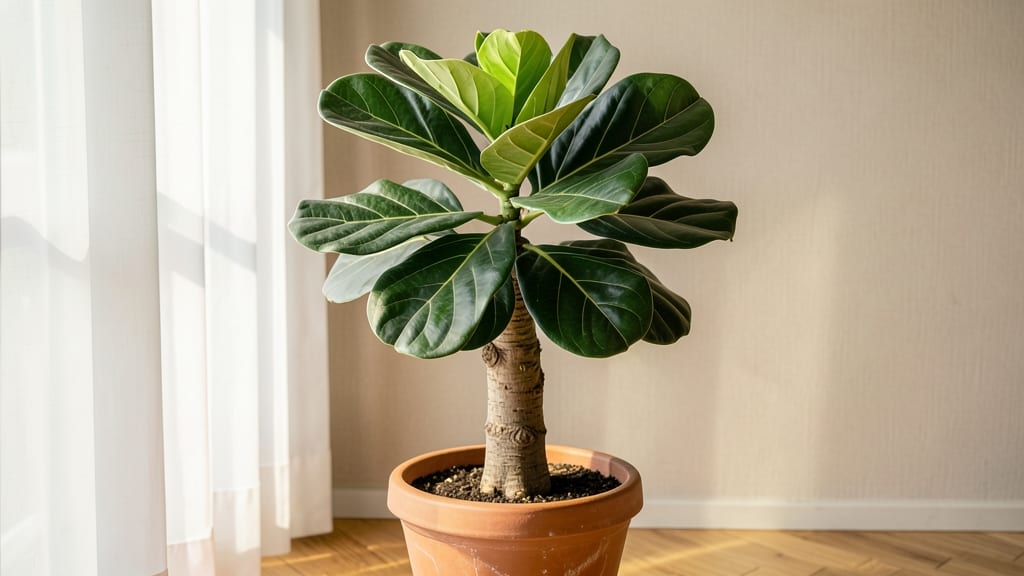
My indoor ficus tree care routine starts with one simple truth: pruning isn’t just about shaping—it’s about keeping your tree alive and thriving for years. 🌿 After my last ficus lost half its leaves from overwatering and neglect, I learned the hard way that ficus trees demand respect, not just occasional attention.
The right cuts at the right time make all the difference—think of it as giving your tree a fresh start every few months.
You’ll need basic tools: sharp pruning shears, rubbing alcohol for sterilizing cuts, and a small container for trimmings (they root easily!). The key is timing—spring and early summer are prime seasons, but you can prune lightly year-round if needed.
Focus on removing yellow or brown leaves first, then thin out crowded branches to improve airflow. Ficus trees reward patience with dense, glossy foliage that fills out beautifully over time.
What you’ll end up with is a tree that looks like it belongs in a conservatory, not just your living room. The leaves stay vibrant, growth stays steady, and you’ll avoid the common pitfalls like leggy stems or sparse branches.
Even better? Pruned branches can propagate into new plants—free ficus babies for your friends or future garden spots.
This method works for all common ficus varieties—from the towering Ficus benjamina to the bold Ficus elastica—and adapts to low-light apartments or bright sunrooms. The secret isn’t complicated: prune with purpose, and your ficus will repay you with years of lush, drama-free growth.
📚 In This Guide
- What you need
- Instructions
- Tips and common mistakes
- Wrapping up and next steps
What you need
- ● Pruning shears – Sharp, clean bypass pruners (size: 6–8 inches) for clean cuts.
- ○ Glove – A pair of gardening gloves (optional but helpful for sticky sap!).
- ● Rubbing alcohol or hydrogen peroxide – 70% isopropyl alcohol (1 small bottle) to sterilize tools.
- ● Small container or tray – For catching sap and clippings.
- ● Potting soil mix – Well-draining, peat-based mix (2–3 gallons, depending on pruning size).
- ○ Rooting hormone (optional) – Powder or gel form to boost propagation success.
- ● Spray bottle – With water or diluted neem oil to mist cuttings.
- ● Plant ties or twine – For supporting leggy branches post-prune.
- ● Grow lights – LED or fluorescent (if propagating cuttings indoors).
- ○ Pruning sealant (optional) – Beeswax-based to prevent sap oozing on larger cuts.
Step-by-Step indoor ficus tree care for pruning success
Here’s how to keep your ficus thriving with expert pruning techniques that boost growth and shape.
🌿 Step 1: Assess Growth and Identify Pruning Points
Examine your ficus for leggy stems, overcrowded branches, or yellowing leaves—these signal where pruning is needed. Focus on stems growing toward light sources or those longer than 6 inches beyond your desired shape. Use clean, sharp pruning shears to avoid tearing bark, which invites disease.
Look for nodes (small bumps where leaves attach) when deciding where to cut. Pruning just above a node encourages new growth from that spot. If you’re unsure, cut back to a leaf node rather than bare stem—this ensures healthier regrowth. Avoid cutting more than 25% of the plant’s foliage at once, as this can stress the ficus.
✂️ Step 2: Prune for Shape and Health
Start by removing dead or diseased branches first—these are easy to spot as they’re brown, crispy, or oozing sap. Next, trim leggy stems back to a node where you want new growth to sprout. Angle your cuts slightly above the node at a 45-degree angle to prevent water from pooling.
For shaping, focus on creating an open canopy by thinning out crowded branches. This improves airflow and light penetration to lower leaves. If your ficus has become top-heavy, prune the topmost branches to encourage bushier growth from lower nodes. Always sterilize your shears with rubbing alcohol between cuts to prevent bacterial spread.
💧 Step 3: Post-Pruning Care for Recovery
After pruning, water your ficus deeply to help it recover. Check the soil’s moisture by sticking your finger 1-2 inches deep—if it feels dry, water until it drains from the bottom of the pot. Avoid fertilizing immediately; wait 4-6 weeks to give the plant time to regenerate roots.
Place your ficus in bright, indirect light for the first week post-pruning. Avoid cold drafts or sudden temperature changes, as these can shock the plant. You’ll see new growth emerging from the pruned nodes within 4-8 weeks, signaling successful pruning. If leaves yellow or drop, reduce watering slightly—overwatering is a common issue after pruning.
☀️ Step 4: Maintain Light and Humidity for Lush Growth
Ficus trees thrive in bright, indirect light, so position yours near an east or west-facing window. If leaves start stretching toward the light (a sign of etoliation), rotate the pot quarter-turn weekly to encourage even growth. Supplement with a grow light if natural light is insufficient.
Mist your ficus regularly or use a pebble tray with water to maintain 40-50% humidity. Wipe leaves with a damp cloth monthly to remove dust, which blocks light absorption. With consistent care, your pruned ficus will reward you with denser foliage and a fuller shape within a few months.
Tips & tricks for perfect indoor ficus tree pruning
Pruning your ficus might seem intimidating, but these insider tips will help you transform your plant into a thriving, bushy beauty with confidence.
The Node Strategy: When pruning in Step 1, focus on cutting just above a leaf node—not bare stem. This is where new growth will sprout most vigorously. I learned this the hard way after pruning too close to bare stems, which resulted in slow recovery and less robust regrowth. Those little bumps are your secret weapon for encouraging fuller foliage.
Sterilization Matters: Always sterilize your pruning shears with rubbing alcohol between cuts, especially when working with multiple branches in Step 2. I once skipped this step and ended up with bacterial spots on my ficus leaves—something you definitely want to avoid. A quick wipe with alcohol prevents disease transmission and keeps your plant healthy.
Light Management: After pruning, place your ficus in bright, indirect light for the first week as recommended in Step 3. If you notice leaves stretching toward the light (a sign of etoliation), rotate the pot quarter-turn weekly to encourage even growth. This simple adjustment prevents lopsided growth and keeps your ficus compact and balanced.
Pro Tips for Indoor Ficus Tree Care
- Pruning your ficus might seem intimidating, but these insider tips will help you transform your plant into a thriving...
- The Node Strategy: When pruning in Step 1, focus on cutting just above a leaf node—not bare stem. This is where new g...
- Sterilization Matters: Always sterilize your pruning shears with rubbing alcohol between cuts, especially when workin...
Frequently asked questions
Got questions about keeping your indoor ficus thriving? You’re not alone! Here are answers to the most common concerns—so you can prune with confidence and enjoy a lush, long-lasting tree.
How often should I prune my ficus tree?
Prune your ficus lightly every 3–6 months to encourage bushier growth and remove dead/damaged leaves. For faster growth spurts, trim back leggy stems by 1/3 in early spring. Avoid heavy pruning in winter—ficus trees rest then! Pro tip: Use clean, sharp shears to prevent disease.
What should I do if my ficus drops leaves after pruning?
Don’t panic! Ficus trees often shed leaves as a stress response, especially after pruning. Keep the soil slightly moist (not soggy) and place it in bright, indirect light. Avoid fertilizing for 4–6 weeks. Most ficus recover within 2–4 weeks—patience is key!
Can I propagate my ficus cuttings?
Dip pruned cuttings (4–6 inches long) in rooting hormone and place them in moist perlite or water. Keep them in warm, humid conditions (like a plastic bag over a pot) and wait 4–8 weeks for roots to form. Ficus elastica and benjamina are the easiest to propagate this way!
Why are the leaves yellowing, even with good care?
Yellow leaves usually signal overwatering or nutrient deficiency. Check the soil—it should dry out 1–2 inches deep between waterings. If yellowing persists, flush the soil with water to remove excess salts and feed with a balanced liquid fertilizer (half-strength) every 2 months.
Is it okay to prune my ficus in winter?
Minimize pruning in winter, as ficus trees grow slowly during colder months. If you must trim, do so lightly to avoid shocking the plant. Focus on removing only dead or diseased branches. Wait until spring to encourage new growth.
Wrapping up and next steps
Caring for your indoor ficus tree doesn’t have to be complicated—just consistent and mindful! With the right pruning techniques, proper light, and a little patience, you’ll reward yourself with a thriving, lush green companion for years to come. 🌿✨
Ready to take the next step? Start small—try pruning just one branch this week and observe how your ficus responds. Over time, you’ll build confidence and master the art of keeping your tree healthy and vibrant! 🌱