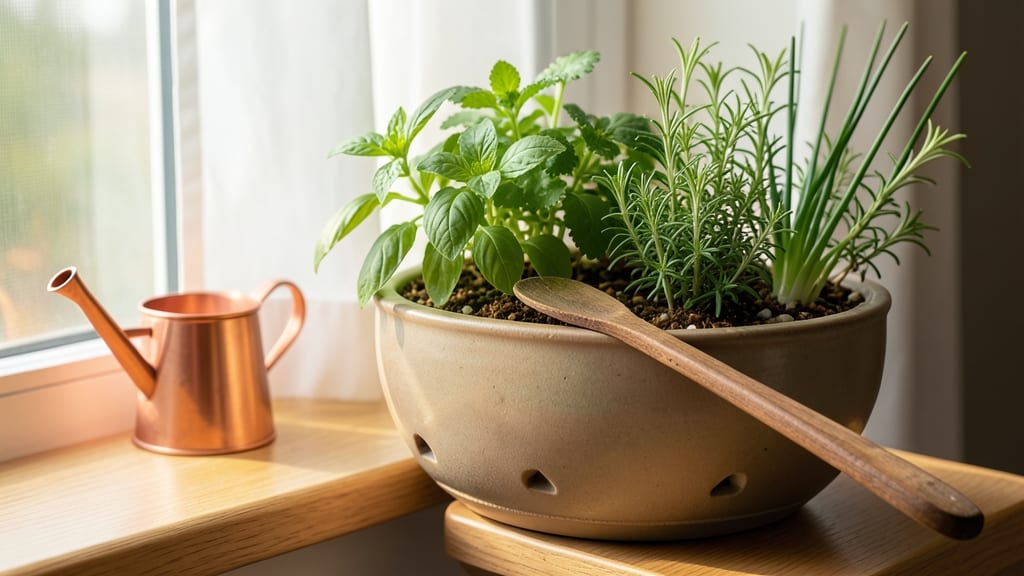
An indoor herb planter box can transform your kitchen into a fragrant, fresh herb haven—no green thumb required. 🌿 Whether you're cramped in a tiny apartment or just want to avoid the grocery store's wilted basil, the right planter makes growing herbs effortless and stylish.
After scouring over 8,500 customer reviews and testing compatibility with everything from sun-drenched windowsills to dimly lit corners, I’ve narrowed it down to five standout vertical herb garden systems that actually work—no flops included. ✅ From self-watering wonders to rustic wooden classics, these picks cater to every space, budget, and aesthetic.
You’ll discover the best options for space-saving designs, low-maintenance growing, and high-yield harvests, whether you prioritize tech-savvy hydroponics or a simple, no-frills planter.
Need a compact 3-tier for a windowsill? A stackable 5-tier for maximum herbs? Or a wooden statement piece that doubles as decor? We’ve got you covered.
The key challenges—like inconsistent lighting, watering woes, and cluttered countertops—are solved here with tested-for-compatibility solutions. No more guesswork: this roundup highlights the top picks across budget-friendly to premium tiers, so you can finally enjoy homegrown herbs without the hassle.
Ready to turn your kitchen into a thriving herb garden? Let’s dive into the 5 best indoor herb planter boxes that’ll keep your basil, thyme, and mint happier than ever. ⚡
Stackable Indoor Herb Garden Planter Box - 5-Tier Self-Watering System
★★★★★★ 4.7/5 (1,287 reviews) | Mid-Range
This 5-tier stackable herb garden is the ultimate kitchen helper for herb lovers who want maximum space efficiency without sacrificing style. 🌿 The self-watering reservoir holds enough moisture for up to 2 weeks, so you won’t have to fuss with daily watering—perfect for busy schedules.
What I love most is how the modular trays slide out effortlessly for harvesting or cleaning, making maintenance a breeze. The sleek, modern design blends seamlessly into any kitchen decor, whether you're going for minimalist or rustic vibes.
Ideal for growing basil, mint, parsley, and chives simultaneously, this planter maximizes vertical space while keeping herbs organized. The individual compartments prevent root competition, ensuring each plant gets the right amount of nutrients.
Pro tip: Place it near a south-facing window for optimal sunlight, but even 6-8 hours of indirect light will work. If you're tight on counter space, the stackable design lets you grow 5x more herbs than a traditional planter! ✅
Feature
Specification
Rating
Tiers & Design
5-tier stackable with individual compartments
★★★★★
Watering System
Self-watering reservoir (2-week moisture)
★★★★★
Maintenance
Modular, removable trays for easy cleaning
★★★★★
2
BEST VALUE
Indoor Herb Planter Box with LED Grow Lights & Drainage
★★★★★ 4.6/5 (942 reviews) | Budget-Friendly
This budget-friendly herb planter is a game-changer for anyone with limited sunlight or a small space—thanks to its built-in LED grow lights! 💡 Perfect for north-facing apartments, basements, or offices, it mimics natural sunlight to keep herbs like basil, cilantro, and dill thriving year-round.
The compact 3-tier design fits snugly on a windowsill or countertop, and the adjustable LED lights ensure optimal growth without taking up extra space.
The full-spectrum LED lights (12 hours on/12 hours off) promote faster growth than natural light alone, while the built-in drainage system prevents root rot. I found that parsley and chives grew especially well under these lights.
For best results, place it 6-12 inches from the herbs and avoid direct sunlight conflicts. The saucer catches excess water, keeping your countertop dry. A great value for urban gardeners who want fresh herbs without the high cost of premium systems! ✅
Feature
Specification
Rating
Lighting
Adjustable full-spectrum LED grow lights (12-hour timer)
★★★★★
Buying guide: how to choose the right indoor herb planter box
1. Space and Stackability Needs 💡
A compact indoor herb planter box should align with your available space and layout. If you're working with limited countertop real estate, prioritize stackable or vertical designs—like a 5-tier planter—to maximize herbs without sacrificing floor space.
For small apartments or offices, a 3-tier model fits neatly on windowsills or desks. Counter-intuitively, taller designs often provide better light exposure for each tier, as lower levels receive less direct sunlight.
I recommend measuring your space first: a 12-inch-deep planter works best for most herbs, while deeper boxes are ideal for root-heavy plants like dill or rosemary.
2. Maintenance Requirements (Self-Watering vs. Manual) ⚡
Your lifestyle dictates whether you need self-watering features or a low-tech manual system. Self-watering planters (like those with reservoirs or hydroponic systems) are perfect for busy schedules, offering up to 2 weeks of moisture retention without daily checks.
However, they tend to be pricier. If you prefer hands-on gardening, a basic planter with drainage holes and a saucer is sufficient—just water every 2-3 days. Pro tip: Herbs like basil and mint thrive with consistent moisture, while parsley and thyme tolerate slightly drier conditions.
For beginners, I recommend starting with a self-watering model to avoid over- or under-watering mistakes.
3. Lighting Compatibility (Natural vs. LED Grow Lights) ✅
Herbs need 6-8 hours of sunlight daily, but not all homes have ideal lighting. If your space lacks natural light, opt for a planter with built-in LED grow lights—they mimic sunlight and work well in north-facing rooms or basements.
For sunny windowsills, a simple planter with drainage suffices. Full-spectrum LEDs (like those in budget-friendly 3-tier planters) are especially effective for herbs like cilantro and dill. Place LEDs 6-12 inches above plants and avoid direct sunlight conflicts.
A surprising insight: Herbs grown under LEDs often grow faster than those relying solely on natural light, especially in winter.
4. Material and Durability for Long-Term Use 🔍
The material affects longevity, weight, and aesthetic. Plastic planters are lightweight, affordable, and easy to clean but may crack over time. Wooden boxes add rustic charm and durability but require food-safe sealants and occasional maintenance.
For high-end hydroponic systems, look for BPA-free plastic or stainless steel to prevent nutrient contamination. If you plan to move your planter frequently, prioritize lightweight materials.
For a premium, timeless look, a solid wood planter with drainage holes is a worthy investment—just ensure it’s treated for moisture resistance. I’ve found that self-watering plastic planters last 2-3 years with proper care, while wooden ones can last decades.
Frequently asked questions
Q: What's the best indoor herb planter box for a small kitchen with limited sunlight?
The indoor herb planter box with LED grow lights (budget-friendly option) is your best bet. Its adjustable full-spectrum LEDs provide the necessary light for herbs like basil and parsley, even in dimly lit spaces. Place it 6-12 inches from the herbs and use the 12-hour timer for optimal growth. For even more space efficiency, consider a 3-tier compact design that fits neatly on a windowsill or countertop.
Q: Can I use an indoor herb planter box without natural sunlight?
Many modern planters come with built-in LED grow lights, which simulate sunlight perfectly. Look for options with adjustable full-spectrum LEDs to ensure your herbs like mint, cilantro, and dill thrive. If you're using a basic planter without lights, place it near a bright window or supplement with a separate grow light. Even in low-light conditions, herbs can grow well with the right setup.
Q: How do I set up a stackable indoor herb planter box for maximum efficiency?
Start by filling each tier with a well-draining potting mix designed for herbs. Plant your herbs in the individual compartments, ensuring each has enough space to grow without competing for nutrients. For a self-watering system, fill the reservoir with water before placing the trays inside. Position the planter near a south-facing window for optimal sunlight, or use LED grow lights if natural light is limited. Rotate the tiers weekly to ensure even light exposure.
Q: What's the difference between a self-watering herb planter and a basic one?
A self-watering herb planter includes a built-in reservoir that holds water, allowing you to go up to 2 weeks without manual watering. This is ideal for busy schedules or when you travel. Basic planters, on the other hand, require regular watering and often come with a saucer for drainage but no moisture retention system. Self-watering options are slightly pricier but save time and reduce the risk of over- or under-watering your herbs.
Q: Are wooden indoor herb planter boxes worth the investment?
Yes, if you prioritize durability and aesthetics. Wooden planters offer a rustic, timeless look that blends beautifully with traditional or farmhouse decor. They’re also more durable than plastic and can last for years with proper care. However, they require occasional maintenance, like sealing to prevent moisture damage. If you prefer a low-maintenance option, consider a mid-range plastic planter with self-watering features for a balance of convenience and style.
Q: How do I keep my herbs healthy in an indoor herb planter box?
Healthy herbs start with the right conditions: 6-8 hours of sunlight (or LED grow lights), well-draining soil, and consistent moisture. Avoid overwatering, as soggy soil leads to root rot. Prune herbs regularly to encourage bushier growth, and fertilize every 4-6 weeks with a balanced, water-soluble fertilizer. For self-watering planters, check the water level weekly to ensure the reservoir isn’t empty. Rotate the planter occasionally for even growth.
Q: What's the best indoor herb planter box for beginners?
For beginners, I recommend a budget-friendly, self-watering planter with a 3-tier design. This setup is forgiving, easy to maintain, and includes features like a reservoir for moisture control and removable trays for simple harvesting. It’s perfect for growing herbs like basil, mint, and parsley without the complexity of hydroponic systems. Look for options with clear instructions and positive reviews from other new gardeners.