
Container Gardens
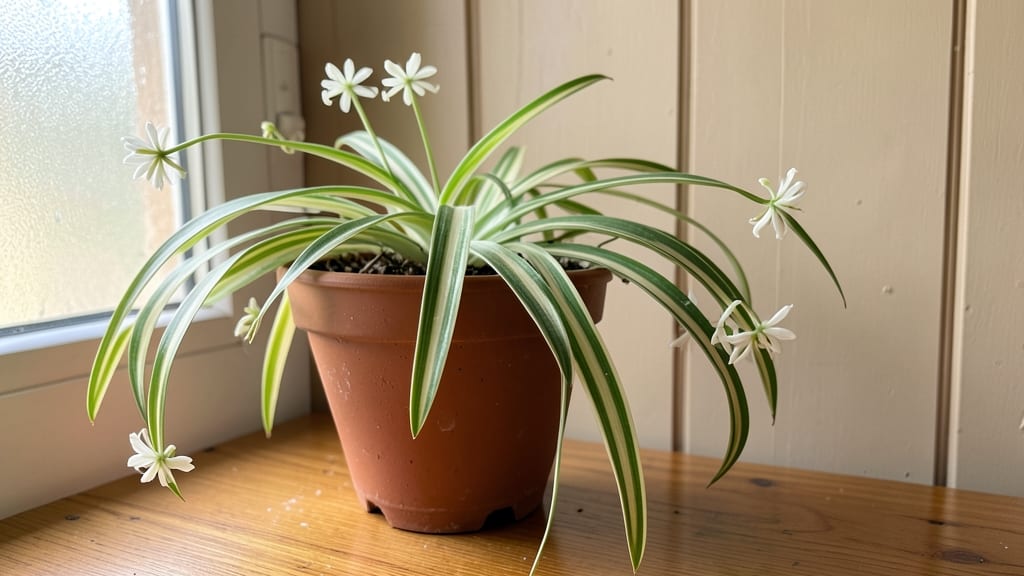
White flowers and lush green leaves transform any room into a serene sanctuary. 🌿 The right indoor plant with this elegant combo doesn't just look stunning—it purifies the air while requiring minimal fuss.
My go-to is the spider plant, but peace lilies and snake plants deliver the same sophisticated charm with even less upkeep. These plants thrive in bright, indirect light but handle lower light surprisingly well.
The key is keeping soil slightly moist (not soggy) and dusting those glossy leaves occasionally—it makes the white blooms pop even more. My living room setup pairs a trailing spider plant with a tall peace lily for dramatic height contrast.
You'll end up with a space that feels spa-like and alive, all while enjoying cleaner air. The white flowers create visual breathing room, while the green leaves ground the look in any decor style. Perfect for beginners who want beauty without the daily maintenance.
Start with just one or two plants to test your space's light conditions. A single peace lily in a ceramic pot makes a bold statement, while spider plants cascade beautifully from hanging planters. The snake plant's upright growth adds architectural interest to shelves or corners.
These plants work together beautifully—pair a trailing variety with an upright one for layered texture. Add a few small pebbles to the saucer to maintain moisture without overwatering. The result is a cohesive look that feels intentional, not forced.
Your indoor garden will become the quiet centerpiece of the room. The white flowers brighten dim corners while the green leaves add organic texture. Rotate plants occasionally so all sides get even light exposure—this keeps foliage lush and blooms coming.
For maximum impact, group odd numbers of plants together (three or five) rather than pairing them. This creates natural movement in your decor. The air-purifying benefits are just the cherry on top of this effortless elegance.
📚 In This Guide
- What you need
- Instructions
- Tips and common mistakes
- Wrapping up and next steps
What you need
- ● Indoor Plant: A healthy, white-flowering variety (e.g., Spider Plant, Peace Lily, or Snake Plant) with vibrant green leaves. Check for pests or yellowing leaves before purchasing!
- ● Pot: A container with drainage holes (6–12 inches in diameter, depending on plant size). Terracotta or ceramic works best!
- ● Potting Soil: High-quality, well-draining indoor plant mix (e.g., Miracle-Gro Indoor Potting Mix or a cactus/succulent blend for Snake Plants). 1–2 gallons per pot.
- ● Drainage Material: Small pebbles, perlite, or hydroponic clay balls (1–2 inches layer at the pot’s bottom).
- ● Watering Can: A gentle-spray or narrow-spout can to avoid overwatering.
- ○ Fertilizer (Optional but Recommended): Balanced liquid fertilizer (e.g., 20-20-20 NPK) for general growth.
- ● Slow-release granules (e.g., Osmocote) for convenience.
- ● Plant Food: Organic compost or worm castings for a nutrient boost.
- ● Humidity Tray: A pebble tray with water to increase humidity for tropical plants like Peace Lilies.
- ● Grow Lights: LED or fluorescent lights (12–16 hours/day) if natural light is limited.
- ● Plant Stakes/Supports: For taller varieties (e.g., Spider Plants) to keep them upright.
- ● Decorative Accents: Moss, decorative stones, or a stylish cache pot to elevate your plant’s aesthetic!
Step-by-Step guide to caring for indoor plants with white blooms
Here’s how to keep your elegant white-flowering greenery thriving indoors with minimal fuss.
🌿 Step 1: Choose the Right Spot for Light and Airflow
Most white-flowering indoor plants—like peace lilies, spider plants, or jasmine—thrive in bright, indirect light near an east- or north-facing window. Direct sun can scorch delicate leaves, while dim corners cause leggy growth. Test your spot by placing a plant there for a week: if leaves stay vibrant, you’ve got it right.
Airflow matters too. A gentle breeze from an open window or small fan prevents fungal issues. Just avoid drafts—cold air weakens stems. You’ll know your placement is perfect when new leaves emerge plump and glossy, not yellowing or wilting.
💧 Step 2: Master the Watering Routine
White-flowering plants like jasmine and peace lilies prefer slightly moist but never soggy soil. Stick your finger 1 inch deep—if it feels dry, water thoroughly until liquid drains from the bottom. Overwatering is the #1 killer; yellow leaves or mushy stems are red flags. Let excess water drain completely to avoid root rot.
Adjust frequency by season: water every 5-7 days in summer when evaporation speeds up, but every 10-14 days in winter when growth slows. Watch the soil surface—it should dry out between waterings. A clear pot helps you monitor moisture levels at a glance.
☀️ Step 3: Feed and Prune for Continuous Blooms
Use a balanced liquid fertilizer (10-10-10) every 4-6 weeks in spring/summer to encourage flowering. Dilute to half-strength—too much salts build up and burn roots. In fall/winter, skip fertilizing; plants rest and conserve energy. You’ll notice stronger stems and more frequent white blooms with consistent feeding.
Prune leggy stems or yellow leaves with clean scissors just above a leaf node. This redirects energy to new growth. For bushier plants like jasmine, pinch back tips in early spring. Deadheading spent blooms (removing faded flowers) prompts fresh blooms—just snip the stem at the base where it meets the leaf.
✂️ Step 4: Troubleshoot Common Issues
Brown leaf tips? Low humidity or fluoride in tap water are likely culprits. Move the plant to a bathroom or kitchen (humid rooms help) and switch to filtered or distilled water. White powdery spots? Wipe leaves with a damp cloth to remove dust, which blocks light. For stubborn pests, spray with neem oil solution (1 tsp per quart of water).
If flowers stop appearing, check light exposure—white-blooming plants need moderate to bright indirect light to trigger blooming. Rotate the pot quarter-turn weekly so all sides get even light. Yellowing leaves often mean overwatering; let the soil dry out more between waterings. Adjust gradually to avoid shocking the plant.
Tips & tricks for perfect indoor plants with white blooms
Here's what nobody tells you about keeping these elegant plants thriving—simple secrets that make all the difference.
Light Placement Secret: In Step 1, when testing your spot, look for indirect light that creates subtle leaf shadows—this is the sweet spot for white-blooming plants. South-facing windows work best in cooler climates, while east-facing windows prevent scorching in hotter areas. I always test for a week first because even small window differences matter.
Watering Confidence Builder: The 1-inch deep check in Step 2 is your best friend—if you're unsure, use a moisture meter for the first few waterings to get a feel for when that soil truly needs hydration. Remember, soggy soil kills faster than thirsty plants. I've learned this the hard way after losing three peace lilies to overwatering!
Fertilizing Timing: For Step 3's 4-6 week feeding schedule, mark your calendar right after your last feeding to avoid missing spring/summer applications. The half-strength dilution is crucial—over-fertilizing causes more damage than under-fertilizing. I keep a small bottle of diluted fertilizer in my plant care kit for convenience.
Pruning Precision: When deadheading in Step 3, always cut just above a leaf node where new growth emerges. This small detail makes the difference between bushy plants and leggy ones. I use clean scissors and wipe them with rubbing alcohol between plants to prevent disease spread.
Pro Tips for Indoor Plant With White Flowers And Green Leaves
- Here's what nobody tells you about keeping these elegant plants thriving—simple secrets that make all the difference.
- Light Placement Secret: In Step 1, when testing your spot, look for indirect light that creates subtle leaf shadows—this is the sweet spot for white-blooming plants.
- Watering Confidence Builder: The 1-inch deep check in Step 2 is your best friend—if you're unsure, use a moisture meter for the first few waterings to get a feel for when that soil truly needs hydration.
Frequently asked questions
Got questions about adding indoor plants with white flowers and green leaves to your space? You’re not alone! Here are answers to the most common queries to help you choose, care for, and enjoy these stunning botanical beauties with confidence.
Which indoor plants with white flowers are easiest for beginners?
If you’re new to plant parenting, start with Spider Plants (Chlorophytum comosum) or Peace Lilies (Spathiphyllum). Both thrive in low light, bloom white flowers, and forgive occasional neglect. African Violets (Saintpaulia) are also low-maintenance and produce delicate white blooms—perfect for busy schedules!
How often should I water these plants?
Watering needs vary by plant, but most white-flowering greens prefer moderate moisture. Stick your finger 1-2 inches into the soil—if it’s dry, it’s time to water. Overwatering is the biggest mistake! Spider Plants and Peace Lilies like slightly damp soil, while Snake Plants (Sansevieria) can go weeks without water. Pro tip: Use well-draining pots to prevent root rot!
Why aren’t my white-flowering plants blooming?
White flowers often signal stress or improper care. Check these fixes:
- Light: Most need bright, indirect light (e.g., near east/west windows). Too little light = no blooms.
- Nutrients: Feed with a balanced houseplant fertilizer every 4-6 weeks during spring/summer.
- Age: Some plants (like African Violets) bloom best when mature—be patient!
If the issue persists, your plant might need a repotting or a fresh start.
Can I grow these plants in small apartments or offices?
Many white-flowering greens are compact and adaptable. Try:
- Peperomia (e.g., Peperomia obtusifolia) – Tiny leaves, occasional white blooms, and happy in low light.
- ZZ Plants (Zamioculcas zamiifolia) – Nearly indestructible, with white flower spikes (if given enough light).
- Cast Iron Plants (Aspidistra elatior) – Thrives in dim offices and produces rare white blooms.
Just ensure your space has some natural light—even artificial grow lights work in a pinch!
Are these plants safe for pets?
Not all white-flowering greens are pet-friendly! Common toxic picks: Lilies (Lilium) and Peace Lilies (Spathiphyllum) are dangerous for cats/dogs. Safe alternatives:
- Spider Plants (non-toxic, but may cause mild stomach upset if ingested).
- Parlor Palms (Chamaedorea elegans) (pet-safe and produce white flowers).
- Boston Ferns (Nephrolepis exaltata) (non-toxic and add lush greenery).
Always research before bringing plants home!
Wrapping up and next steps
Bringing an indoor plant with white flowers and green leaves into your space isn’t just about aesthetics—it’s a breath of fresh air (literally!) and a touch of nature’s elegance.
These beauties purify the air, boost your mood, and thrive with minimal fuss, making them the perfect addition to any home or office.
Whether you’re drawn to the delicate blooms of a Peace Lily or the lush charm of a Spider Plant, the right choice will transform your corner into a serene sanctuary.
Ready to elevate your space? Start small—pick one plant that speaks to you, follow the care tips, and watch your green thumb grow! 🌱✨ Your future self (and your lungs) will thank you.