
Pruning
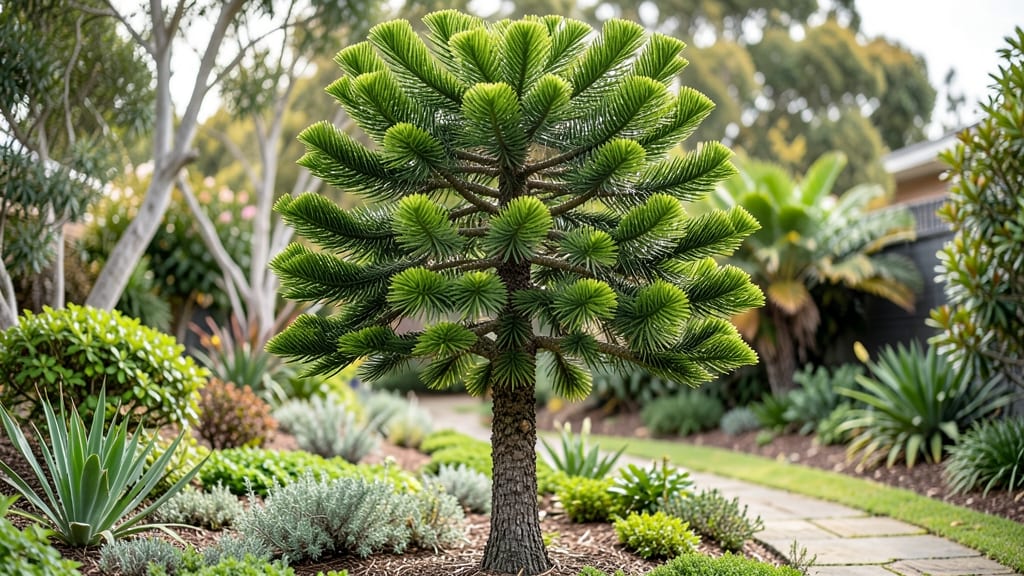
Growing an indoor spruce tree brings that fresh, forest-fresh scent into your home year-round—if you nail the light, humidity, and pruning. 🌲 I learned the hard way that these trees aren’t just "evergreens" but high-maintenance divas when it comes to indoor conditions.
The secret to keeping yours thriving? Mimicking its natural habitat as closely as possible, from bright indirect light to that perfect balance of moisture in the air.
Dwarf varieties like the Colorado Blue Spruce or Norway Spruce make the best indoor companions—they stay compact (under 6 feet tall) and adapt better to indoor spaces. You’ll need well-draining soil, a pot with drainage holes, and a spot near a window where it gets morning sun and afternoon shade.
Watering is tricky: let the top inch of soil dry out between drinks, but never let it sit in soggy soil—root rot is the silent killer of indoor conifers.
Pruning isn’t just about shaping—it’s about keeping your tree healthy. Trim leggy branches in early spring to encourage bushier growth, and remove any brown or damaged needles immediately.
A light dusting with neem oil once a month keeps pests like spider mites at bay, though you’ll mostly battle needle drop from dry air. Humidity is key: place the pot on a tray of pebbles with water, or mist the needles weekly (just don’t drown them).
The payoff? A tree that stays lush, fragrant, and full of life—even in the dead of winter. With the right care, your indoor spruce will outlast store-bought evergreens by years, becoming the centerpiece of your home’s cozy corner. Here’s how to keep it thriving without the guesswork.
📚 In This Guide
- What you need
- Instructions
- Tips and common mistakes
- Wrapping up and next steps
What you need
- ● Ready to bring the fresh charm of an indoor spruce tree into your home? Here’s everything you’ll need to get started—from essentials to nice-to-haves! 🌲✨
- ● Pro tip: 💡 Skip the cheap shears! Dull blades crush stems, inviting pests. Invest in a $15–$25 pair for clean, healthy cuts.
How to care for indoor spruce trees year-round
Here's the simple routine I use to keep my spruce trees thriving indoors without losing their natural charm.
🪴 Step 1: Select the Right Pot and Soil Mix
Choose a container with drainage holes—spruce roots need airflow to prevent rot. I use a pot that's 2-3 inches wider than the root ball to allow growth without overcrowding. The soil mix should be slightly acidic, around 5.5-6.5 pH, and well-draining. I blend 60% peat moss, 30% pine bark fines, and 10% perlite for the perfect balance.
Fill the pot halfway with your mix, then place the tree in and add more soil around the edges. Tap the pot gently to remove air pockets, but don't pack the soil too tightly—spruce roots need room to breathe. The top of the root ball should sit just below the pot's rim for stability.
☀️ Step 2: Position for Optimal Light and Humidity
Spruces need bright, indirect light—think 4-6 hours of morning sun daily. A north-facing window is ideal, but east-facing works too. Avoid harsh afternoon sun, which can scorch the needles. If your space is dim, supplement with a grow light 12-18 inches away for 12-14 hours daily.
These trees love humidity. I place the pot on a tray filled with pebbles and water, keeping the pot elevated so roots don't sit in water. Mist the needles lightly 2-3 times weekly—you'll see them glisten after misting, which signals they're happy. A humidifier nearby also helps prevent needle drop.
💧 Step 3: Water and Fertilize Consistently
Water when the top 1-2 inches of soil feel dry. Stick your finger in—if it comes out clean, it's time. Water thoroughly until it drains from the bottom, then empty the saucer to prevent soggy roots. Overwatering is the #1 killer of indoor spruces, so let the top layer dry out between waterings.
Feed every 4-6 weeks in spring and summer with a balanced, slow-release fertilizer (like 10-10-10). I halve the recommended dose to avoid burning the roots. Skip fertilizing in fall and winter—your tree's growth slows naturally, and feeding then can harm it. Yellow needles? That's your sign to cut back on water or fertilizer.
✂️ Step 4: Prune for Shape and Health
Prune in late winter or early spring before new growth starts. Use clean, sharp pruning shears to make cuts just above a leaf node (the bump where branches meet the stem). Remove any dead, diseased, or crossing branches first—they'll stand out as brown or sparse areas.
Shape your tree by trimming back overgrown branches to maintain its natural form. Never cut more than ⅓ of the tree's foliage at once, or you'll stress it. After pruning, wipe the shears with rubbing alcohol to prevent spreading disease. You'll notice fresh, vibrant growth within 4-6 weeks—that's your reward for a job well done.
⏰ Step 5: Monitor and Adjust Seasonally
Every 3-4 months, check for pests like spider mites or scale insects. Wipe needles with a damp cloth to spot early signs—tiny webs or sticky residue mean trouble. Treat infestations immediately with neem oil or insecticidal soap. In winter, reduce watering slightly since growth slows, but keep the air around the tree humid.
Rotate your spruce a quarter turn weekly so it grows evenly toward the light. If you notice brown tips, it's likely from dry air—move the tree away from heat sources like vents. With these adjustments, your spruce will stay lush and full for years, just like mine has for over a decade.
Tips & tricks for perfect indoor spruce trees
Keeping your indoor spruce thriving year-round takes a few key tricks I've learned from years of trial and error.
Soil Mix Secrets: When blending your 60% peat moss, 30% pine bark fines, and 10% perlite mix, sift all components through a fine mesh screen first. This prevents clumping in Step 1 and ensures even moisture distribution throughout the pot. I also add a handful of worm castings to the mix—they boost microbial activity without altering the acidity balance.
Lighting Hacks: For those 4-6 hours of morning sun, position your tree near an east-facing window where sunlight is bright but not scorching. If using a grow light for the 12-14 hours daily, opt for full-spectrum LED bulbs—they mimic natural sunlight better than standard white lights. I place mine 15 inches away instead of 18 to compensate for lower winter light levels.
Pruning Pro Tips: In Step 4, when shaping your tree, make your cuts at a 45-degree angle just above a leaf node. This encourages healthier regrowth than straight cuts. I also recommend pruning on a cloudy day—the reduced light stress helps the tree recover faster. After pruning, give the needles a light spray with water to reduce transpiration stress.
Seasonal Adjustments: During winter's dry air, I increase my misting to 4-5 times weekly instead of the standard 2-3 times. For the quarter-turn weekly rotation, use a sticky note on the window sill to track which direction the tree faces—this helps maintain consistent light exposure even when you forget to rotate.
Pro Tips for Indoor Spruce Tree
- Keeping your indoor spruce thriving year-round takes a few key tricks I've learned from years of trial and error.
- Soil Mix Secrets: When blending your 60% peat moss, 30% pine bark fines, and 10% perlite mix, sift all components through a fine mesh screen first.
- Lighting Hacks: For those 4-6 hours of morning sun, position your tree near an east-facing window where sunlight is bright but not scorching.
Frequently asked questions
Got questions about keeping your indoor spruce tree thriving? You’re not alone! Here are answers to the most common queries—from care basics to troubleshooting—so you can enjoy your lush, evergreen centerpiece all year long.
How often should I water my indoor spruce tree?
Water your spruce when the top 1-2 inches of soil feel dry to the touch. Overwatering is riskier than underwatering—aim for moderate moisture (not soggy soil). In winter, reduce watering slightly since growth slows. Pro tip: Use a saucer under the pot to catch excess water and prevent root rot.
Can I prune my indoor spruce tree year-round?
Yes, but timing matters! Light pruning (removing dead or overgrown branches) can happen anytime, but the best time for shaping is early spring (just as new growth begins). Avoid heavy pruning in fall/winter—it stresses the tree. Use sterilized shears and seal cuts with pruning wax to prevent disease.
Why are the needles turning brown? What should I do?
Brown needles usually signal overwatering, underwatering, or low humidity. Check the soil moisture first—if it’s dry, water deeply; if soggy, let it dry out. Boost humidity with a pebble tray or humidifier (spruces love 40-60% humidity). Avoid drafts or sudden temperature swings, which also cause stress.
Is an indoor spruce tree toxic to pets?
Yes! Spruce trees (like Douglas fir and Norway spruce) are toxic to cats and dogs if ingested, causing vomiting or diarrhea. Keep your tree out of reach and monitor pets closely. For pet owners, consider pet-safe alternatives like Parlor Palm or Spider Plant.
How do I keep my spruce tree from getting too tall or lopsided?
Regular structural pruning is key! Trim new growth to encourage bushier growth, and rotate the pot quarter-turns weekly for even sunlight exposure. Use growth regulators (like paclobutrazol) sparingly to slow height if needed. For dramatic shapes, prune in spring and summer—avoid heavy cuts in fall.
What’s the best way to fertilize an indoor spruce?
Use a balanced, slow-release fertilizer (like 10-10-10) diluted to half-strength every 4-6 weeks in spring/summer. Skip fertilizing in fall/winter. Over-fertilizing burns roots, so always water the tree first. Organic options like fish emulsion or worm castings work too!
Wrapping up and next steps
Bringing an indoor spruce tree into your home isn’t just about adding greenery—it’s about creating a cozy, ever-present focal point that thrives with the right care. From choosing the perfect variety to mastering pruning techniques, you now have the tools to keep your spruce lush and healthy year-round. 🌲✨
Ready to give your spruce the love it deserves? Start by scheduling a quick check-in with your tree—trim those overgrown branches, adjust its lighting, and watch it flourish! For extra inspiration, explore seasonal decor ideas to make the most of your indoor evergreen’s natural beauty.