
Succulent
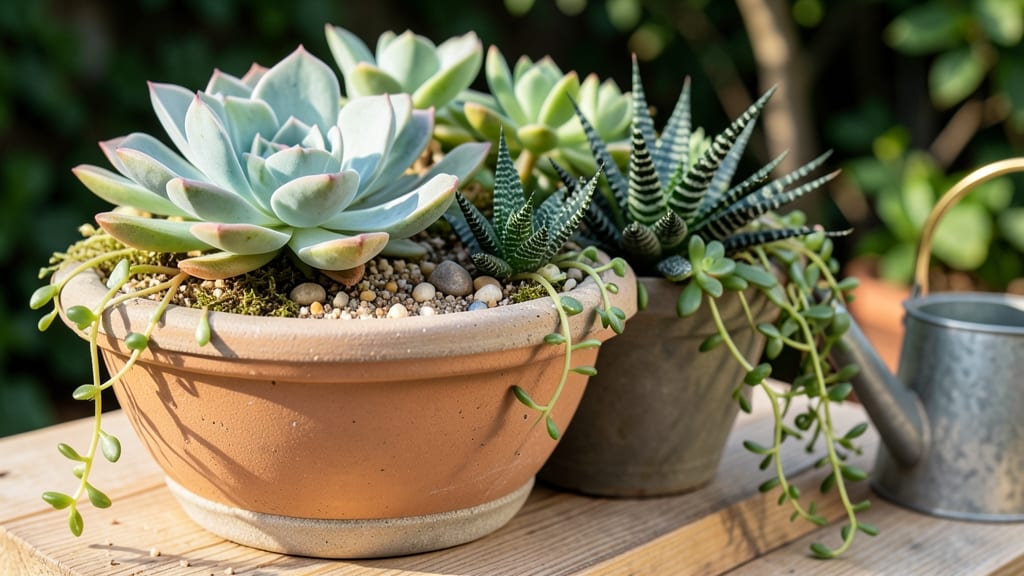
Transforming your space with these indoor succulent arrangement ideas doesn’t require a sunroom—just the right arrangement and a few clever containers. ✨ I’ve turned dim corners into lush vertical gardens by stacking pots, using wall-mounted planters, and mixing textures that catch the eye without demanding sunlight.
The secret lies in low-light-tolerant varieties like echeverias, haworthias, and string of pearls, paired with reflective surfaces to maximize what little light exists. My favorite setups combine 3-5 plants in a single container, creating a layered look that feels intentional even in small spaces.
By the end of this, you’ll have a self-sustaining display that thrives on neglect—just water every 3-4 weeks and watch it grow. The best part? Each arrangement tells a story, whether it’s a minimalist monochrome palette or a wild mix of shapes and colors.
From beginner-friendly terrariums to advanced macramé hangers, these ideas adapt to any room. Let’s bring that desert vibe indoors—no greenhouse required.
📚 In This Guide
- What you need
- Instructions
- Tips and common mistakes
- Wrapping up and next steps
What you need
- ● Succulents: 5–10 small to medium-sized varieties (e.g., Haworthia, Echeveria, or Sedum) – choose low-light tolerant types.
- ● Vertical planter: 1–2 options like a hanging macramé pocket planter, wall-mounted planter box, or a repurposed wooden crate (ensure drainage holes!).
- ● Well-draining soil: 1–2 bags of cactus/succulent mix (or DIY: 60% potting soil + 40% perlite/pumice).
- ● Drainage layer: Small pebbles, gravel, or broken terracotta pots (1–2 inches deep).
- ● Pruning shears or knife (for trimming roots or cutting succulents).
- ● Spray bottle (for gentle watering).
- ○ Decorative elements (optional): Moss sheets (for a lush look).
- ● Twine, paint, or wall anchors (for mounting).
- ● Small pebbles or sand (for aesthetics).
- ● Light check: Ensure your space gets bright, indirect light (e.g., near a north-facing window).
- ● Watering: Wait until soil is completely dry before watering again (usually every 2–3 weeks).
How to design low-light vertical succulent arrangements
Here's how to create stunning vertical succulent displays that thrive indoors without direct sun.
🪴 Step 1: Select Low-Light Succulent Varieties
Not all succulents tolerate low light—focus on varieties like echeveria, haworthia, sedum morganianum, or kalanchoe luciae. These store water efficiently and handle indirect light better than sun-loving types. I always check the leaf color: deep green or bluish-green means it's adapted to lower light; bright yellow or red indicates a sun-lover.
Start with 4-6 plants per arrangement—this creates visual interest while keeping maintenance manageable. Mix textures by pairing plump echeveria with trailing sedum morganianum for dimension. Avoid delicate varieties like lithops or fenestraria, which need bright light to prevent stretching.
💧 Step 2: Choose the Right Vertical Structure
For low-light conditions, opt for geotextile pockets or felt-lined planters—they retain moisture longer than wood or metal frames. I prefer wall-mounted felt panels because they diffuse light evenly and prevent root rot from excess water pooling. Avoid dense materials like plastic that trap too much moisture.
Install your structure in a spot with bright, indirect light—think 3-6 feet from an east- or north-facing window. If your space is darker, supplement with a grow light on a timer for 12 hours daily. The key is consistency: succulents in low light grow slower, so they need stable conditions.
☀️ Step 3: Prepare Soil and Plant Strategically
Use a well-draining cactus/succulent mix—never regular potting soil, which stays too wet. I blend mine with 30% perlite or pumice to improve aeration. Fill pockets or planters to ¾ capacity, leaving room for roots to spread without crowding.
Plant taller varieties at the back and trailing types at the edges. Press soil firmly around roots but avoid compacting it—succulents need air pockets. Water immediately after planting to settle the soil, then wait 5-7 days before watering again. Overwatering here is the fastest way to kill your arrangement.
🌿 Step 4: Establish a Watering Routine
Low-light succulents need water every 3-4 weeks, but timing depends on your environment. Stick your finger 1 inch into the soil—if it feels dry, water thoroughly until it drains from the bottom. I use a spray bottle for felt pockets to avoid oversaturating the felt.
Watch for signs of overwatering: yellowing leaves or mushy stems mean you're watering too often. Underwatering shows as wrinkled or shriveled leaves. Adjust your schedule based on these cues—succulents in low light signal stress more slowly than those in bright conditions.
⏰ Step 5: Maintain and Rotate for Even Growth
Rotate your arrangement quarter-turn weekly so all sides receive equal light. This prevents lopsided growth and ensures even color development. Dust leaves gently with a soft brush every 2-3 months—low-light environments trap more dust, which blocks light absorption.
Fertilize lightly once in spring with a diluted succulent fertilizer** (half-strength). Skip fertilizer in winter when growth slows. Prune leggy stems by pinching back tips to encourage bushiness. With these adjustments, your vertical garden will stay vibrant year-round.
Tips & tricks for perfect low-light vertical succulent gardens
Creating thriving vertical succulents in low light takes a few strategic adjustments—here's what I've learned after perfecting my own arrangements.
Succulent Selection Tip: When choosing varieties in Step 1, look for plants with thicker leaves like haworthia or echeveria—they store more water, which helps them survive longer between waterings in low-light conditions. I've found that kalanchoe luciae also handles dimmer spaces beautifully, though it grows slower. The key is avoiding anything with powdery blue or bright red hues—those usually indicate sun-loving varieties that'll stretch painfully in your setup.
Structure Material Matters: In Step 2, don't overlook the importance of breathable materials. While felt-lined planters work well, I've had the best results with geotextile pockets because they allow better air circulation around roots while still retaining moisture. For wall mounting, use silicone adhesive strips instead of nails—they won't damage walls and won't trap excess moisture against the surface. Remember, the goal is to mimic the natural rocky habitats these plants evolved from, where water drains quickly.
Soil Mix Strategy: For Step 3, when creating your cactus/succulent mix, I recommend adding 20% coarse sand to the perlite blend. This creates larger air pockets that prevent compaction over time. Another pro move: sprinkle a thin layer of orchid bark on top of your soil mix—it helps regulate moisture and prevents algae growth, which is more common in low-light setups. Just be sure to fill containers only to ¾ capacity as instructed, leaving that extra space for root expansion.
Grow Light Optimization: If you're using the recommended 12-hour daily grow light from Step 2, position it 6-8 inches above your arrangement for even coverage. I've found that LED grow lights with full spectrum bulbs work best for low-light succulents—they provide the blue light needed for growth without overheating. For maximum efficiency, place the light on a timer that activates during your normal daylight hours (typically 8 AM to 8 PM), then let it shut off automatically.
Pro Tips for Indoor Succulent Arrangement Ideas
- Creating thriving vertical succulents in low light takes a few strategic adjustments—here's what I've learned after perfecting my own arrangements.
- I've found that kalanchoe luciae also handles dimmer spaces beautifully, though it grows slower.
- Structure Material Matters: In Step 2, don't overlook the importance of breathable materials.
Frequently asked questions
Got questions about creating stunning indoor succulent arrangements without sunlight? Here are some answers to help you get started!
Can succulents thrive indoors without direct sunlight?
Yes! While succulents love sunlight, many varieties—like Haworthia or Echeveria—can thrive indoors with bright, indirect light. Place them near east-facing windows or use grow lights for 6–8 hours daily. Rotate pots occasionally for even growth.
How often should I water indoor succulents in low-light conditions?
Water sparingly—every 2–4 weeks—depending on humidity and pot size. Stick your finger 1 inch into the soil; if it’s dry, water thoroughly but avoid soggy soil. Overwatering is the #1 killer! Use well-draining pots and soil to prevent root rot.
What’s the best alternative to sunlight for indoor succulent growth?
Grow lights are your best friend! LED or fluorescent lights (10,000–20,000 lux) mimic sunlight. Place them 6–12 inches above plants for 12–16 hours daily. For vertical gardens, use clip-on lights or LED strips to illuminate all sides evenly.
Why are my succulents stretching or leaning toward the light?
This is called etiolation—a sign they’re starving for light. Move them closer to a window or light source, or rotate pots weekly for balanced growth. If using grow lights, adjust height or duration. Yellowing leaves? Trim leggy stems to encourage bushier growth.
Can I mix succulents with other low-light plants in arrangements?
Pair succulents with snake plants, ZZ plants, or pothos for a thriving, low-maintenance display. Just ensure all plants have similar watering needs. Use contrasting textures (e.g., spiky succulents + lush foliage) for visual appeal.
How do I clean dust off vertical succulent gardens?
Gently wipe leaves with a damp microfiber cloth or spray with water (avoid soaking soil). For stubborn dust, use a soft brush. Clean monthly to maximize light absorption. Avoid harsh chemicals—they can damage delicate leaves!
Wrapping up and next steps
Transforming your space with low-light succulent arrangements is easier—and more rewarding—than you think! Whether you opt for a hanging terrarium, a geometric wall grid, or a DIY succulent board, these vertical gardens bring life, texture, and a touch of zen to any room.
Remember: patience and proper care (like bright indirect light and well-draining soil) are key to keeping your greens thriving.
Ready to greenify your space? Start small—pick one arrangement that excites you, gather your supplies, and let your creativity bloom! 🌱 And if you love the results, why not expand your collection or share your progress with fellow plant lovers? Happy arranging!