
Light Requirements
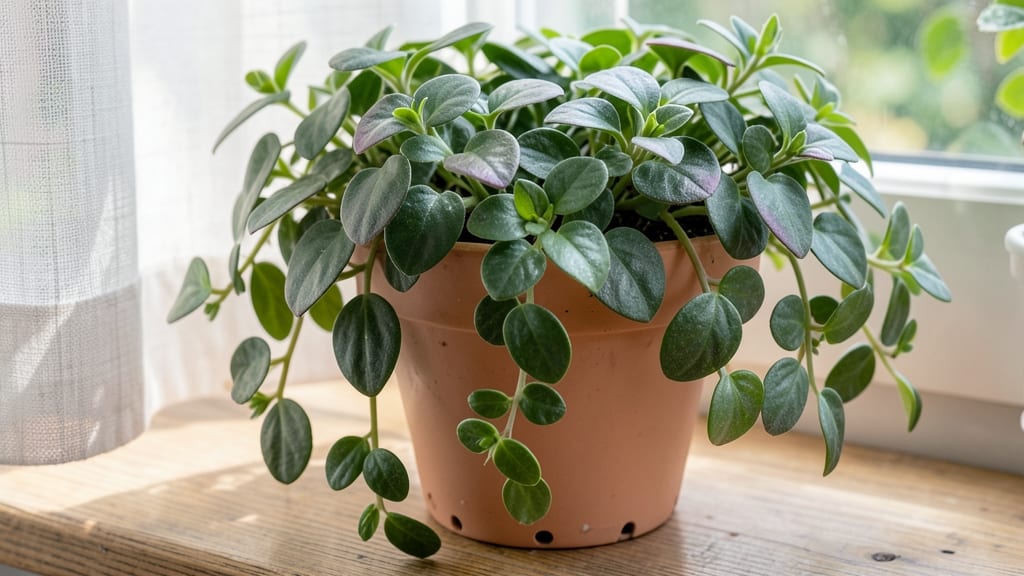
This indoor Swedish ivy (Plectranthus verticillatus) turns dim corners into fragrant green havens. 🌿 I’ve kept mine thriving for years in spots where other plants just give up—its minty scent and trailing vines make it the perfect low-light hero. The secret? Understanding how it actually grows, not just what the label says.
This plant isn’t picky—it handles low light, occasional neglect, and even dry indoor air better than most. You’ll need well-draining soil (a mix of potting soil and perlite works), a pot with drainage, and water when the top inch feels dry.
Prune leggy stems to encourage bushier growth, and pinch back tips to keep it compact. The real magic happens when you let it trail over shelves or hang in macramé—it’s like a living garland.
By summer, your Swedish ivy will reward you with glossy, dark green leaves and that signature minty fragrance. It even purifies the air, making it a double win for small spaces. The only downside? It grows fast—so expect to prune every few weeks to keep it from taking over.
Works in offices, bathrooms, or north-facing rooms where other plants struggle. Here’s how to keep yours lush year-round without the fuss.
📚 In This Guide
- What you need
- Instructions
- Tips and common mistakes
- Wrapping up and next steps
What you need
- ● Swedish ivy plant: 1 healthy starter plant (check for lush, green foliage and no signs of pests).
- ● 6–8 inch pot: 1–2 pots with drainage holes (terracotta or ceramic work best for airflow).
- ● Well-draining potting mix: 1 bag of light, airy soil (mix equal parts peat moss, perlite, and potting soil).
- ● Watering can: 1 with a narrow spout for precision.
- ○ Humidity tray or pebbles: (Optional but helpful for maintaining moisture in dry air).
- ● Pruning shears: Small, sharp pair for trimming leggy stems.
- ● Spray bottle: For misting leaves (especially in low-humidity homes).
- ● Grow lights: LED or fluorescent (12–14 hours/day) if natural light is <5 hours/day.
- ● Fertilizer: Balanced liquid fertilizer (5-5-5 or 10-10-10, diluted to half-strength).
- ● Location: Bright, indirect light (east or north-facing windows are ideal). Tolerates low light but may grow slower.
- ● Temperature: Keep between 60–75°F (15–24°C)—avoid drafts or cold windows.
- ● Patience: Swedish ivy grows slowly but rewards you with fragrant, trailing vines over time!
Step-by-step instructions for growing Swedish ivy indoors
Here's how to coax these fragrant vines into lush, trailing beauty—even in shady spots.
🪴 Step 1: Choose the Right Pot and Drainage
Start with a 6-8 inch pot with drainage holes—Swedish ivy hates soggy roots. I like terracotta because it breathes and helps prevent overwatering. If your pot lacks holes, drill a few yourself. Place a layer of pebbles or broken pottery at the bottom to improve drainage and prevent soil compaction.
Fill the pot one-third full with well-draining potting mix—regular garden soil will suffocate the roots. Swedish ivy thrives in a mix that drains quickly but holds moisture. Tap the pot gently to settle the soil without packing it down too tightly.
🌱 Step 2: Plant Your Swedish Ivy Cutting or Seedling
If you're propagating from a cutting, dip the stem in rooting hormone (optional but helpful) and plant it 1-2 inches deep in the soil. Press lightly around the base to secure it. For seedlings, place them at the same depth they were in their nursery pot—don’t bury the stem too deeply or it may rot.
Water gently right after planting until moisture seeps out the drainage holes. You’ll know it’s right when the soil feels damp but not waterlogged. Place the pot in a spot with bright, indirect light for the first few days to help it adjust without shock.
☀️ Step 3: Position for Light and Humidity
Swedish ivy tolerates low light better than most plants, but it still needs some indirect light to thrive. A north-facing window or a few feet from an east or west window works well. If your space is very dim, supplement with a grow light for 12-14 hours daily—just keep it 12-18 inches away to avoid leaf burn.
These vines love humidity, so mist the leaves 2-3 times a week or place the pot on a tray of pebbles and water (just make sure the pot isn’t sitting in standing water). You’ll notice the leaves stay vibrant and glossy when humidity is just right.
💧 Step 4: Water and Fertilize for Healthy Growth
Water when the top inch of soil feels dry—stick your finger in to check. Swedish ivy is drought-tolerant, so it’s better to underwater slightly than drown it. When you water, do it thoroughly until water runs out the drainage holes. Empty the saucer afterward to prevent root rot.
Feed with a balanced liquid fertilizer (like 10-10-10) every 4-6 weeks during spring and summer. Cut back to once every 8-10 weeks in fall and winter. You’ll see new growth spurt after fertilizing—just don’t overdo it, or the leaves may turn yellow.
✂️ Step 5: Prune and Encourage Trailing Growth
Pinch back the tips of the vines when they reach 6-8 inches long to encourage bushier growth. Use clean scissors to snip just above a leaf node. This also helps the plant focus energy on filling out rather than stretching toward light.
If your Swedish ivy starts to look leggy, it’s time to move it to a brighter spot or rotate the pot a quarter turn weekly so it grows evenly. You can also propagate new cuttings from the leggy stems—just place them in water or soil to root, and you’ll have more plants in no time.
Tips & tricks for perfect indoor Swedish ivy
These simple tricks will help your fragrant vines grow lush and healthy without the guesswork.
Pot Selection Wisdom: Terracotta pots are ideal because they wick away moisture, but any container with drainage works. If you're using a decorative pot without holes, place it inside a cache pot with pebbles at the bottom—this creates a natural drainage system. I've kept Swedish ivy thriving in hanging baskets with built-in saucers by ensuring the soil never stays soggy for more than a few hours.
Light Adjustment: If your space has truly dim lighting, supplement with a grow light for the full 12-14 hours daily as mentioned. Position the light 12-18 inches above the plant and use a timer for consistency. I've seen dramatic improvements in leaf color within just two weeks of adding grow lights to my dim office corner.
Humidity Hacks: The 2-3 times weekly misting is perfect, but for extra humidity boost, group your Swedish ivy with other houseplants. The collective transpiration creates a natural humid microclimate. You can also place a shallow tray of water near the plant—just ensure the pot isn't sitting in standing water, which can cause root rot.
Pruning Strategy: When pinching back vines at 6-8 inches, look for the leaf node where new growth emerges. This is your target spot—snipping just above it encourages bushier growth. I've found that regular pruning every 4-6 weeks prevents leggy growth and keeps the plant fuller. Always use clean scissors to prevent disease transmission between cuts.
Pro Tips for Indoor Swedish Ivy
- These simple tricks will help your fragrant vines grow lush and healthy without the guesswork.
- Pot Selection Wisdom: Terracotta pots are ideal because they wick away moisture, but any container with drainage work...
- Light Adjustment: If your space has truly dim lighting, supplement with a grow light for the full 12-14 hours daily a...
Frequently asked questions
Got questions about keeping your Swedish ivy (Plectranthus verticillatus) thriving?
You’re not alone! Here are answers to the most common concerns—from light to care—so your fragrant vine stays lush and happy.
Can Swedish ivy grow in low-light spaces?
This plant is a low-light champ—it thrives in dim corners, offices, or bathrooms with indirect light. Just avoid pitch-black spots (like closets) or harsh direct sun, which can scorch its leaves. Pro tip: Rotate the pot occasionally for even growth!
How often should I water my Swedish ivy?
Let the top 1–2 inches of soil dry out between waterings (usually every 1–2 weeks). Overwatering is the #1 killer—check soil moisture with your finger! Yellow leaves? You’re likely overdoing it. Drainage is key: Use pots with holes and well-draining soil.
Why is my Swedish ivy losing leaves?
Leaf drop usually means stress—check these culprits:
- Light shock: Moved it too fast? Gradually adjust its spot.
- Underwatering: Wrinkled leaves? Water deeply but less often.
- Overwatering: Mushy stems or yellow leaves? Cut back and repot if needed.
- Cold drafts: Keep it away from AC vents or chilly windows.
Can I propagate Swedish ivy from cuttings?
Yes! Snip a 4–6 inch stem (below a leaf node), remove lower leaves, and place it in water or moist soil. Roots grow in 2–4 weeks! For faster results, use a rooting hormone. Bonus: Prune leggy vines this way—free plants and a bushier mom plant!
What’s a good alternative if I want a fragrant, low-light plant?
If Swedish ivy isn’t your vibe, try these low-light, fragrant pals:
- Snake plant (Sansevieria): Nearly indestructible, but less fragrant.
- English ivy (Hedera helix): Hardy but toxic to pets.
- Lemon balm (Melissa officinalis): Citrusy scent but needs more light.
- Peperomia: Compact, fragrant varieties like Peperomia prostrata.
Wrapping up and next steps
Indoor Swedish ivy (Plectranthus coleoides) is the perfect low-light hero for your home—fragrant, hardy, and effortlessly stylish. 🌿 Whether you’re battling dim corners or just love the soothing scent of crushed leaves, this plant proves that greenery thrives with you, not against your space.
Ready to bring its charm indoors? Start by picking a cozy spot, gathering a few simple supplies, and watch it flourish with minimal fuss.
Next step: Snag a cutting from a friend’s plant (or a nursery) and give it a try—your dimmest corner (and your senses) will thank you!