
Companion Plants
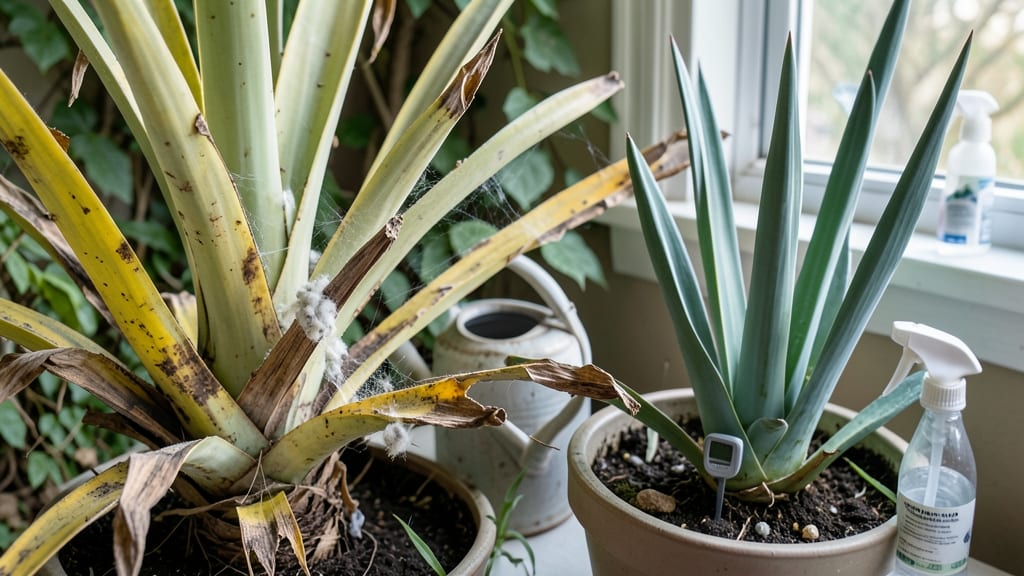
The brown tips and leggy growth on your indoor yucca plant problems aren’t a death sentence—they’re just screaming for attention. 🌱 I’ve nursed back more than my share of sad-looking yuccas, and the fixes are simpler than you’d think.
Most problems boil down to water, light, or humidity, and once you adjust those, your plant will bounce back faster than you expect.
The real game-changer? Checking the soil before you water. I’ve killed plants by overwatering, and yuccas are no exception—they’d rather go thirsty than drown. Pair that with bright, indirect light (no harsh afternoon sun) and a pebble tray for humidity, and you’ll see new growth within weeks.
Leggy stems? It’s just begging for more light.
You’ll end up with a yucca that’s sturdy, green, and thriving—no more brown edges or sad, stretched-out leaves. The best part? These fixes take less than 10 minutes to implement and work for any indoor yucca, from dwarf varieties to towering standards. Let’s get your plant back to its best.
Works for every room in your home, from sunrooms to offices. The same principles apply whether your yucca is a new purchase or a plant that’s been struggling for months. Here’s how to diagnose and fix it fast.
Root Causes Of Yucca Struggles
Yucca plants are tough survivors, but even they can throw up red flags when their care routine goes off track. Understanding the why behind common issues like brown tips or leggy growth helps you fix the problem at its source.
Let’s break down the science behind these struggles—because knowledge is your best tool for a thriving indoor yucca.
Yuccas are succulents at heart, meaning they store water in their thick leaves and roots. When you overwater them, two major problems arise:
- Root Rot from Poor Drainage - Yuccas hate soggy soil. Excess moisture suffocates roots by blocking oxygen, creating the perfect environment for fungal pathogens like Phytophthora or Pythium.
These microbes break down root tissue, leading to mushy, blackened roots that can’t absorb nutrients. - Why it happens: Most potting mixes retain too much moisture. Without gritty amendments (like perlite or sand), water pools at the bottom, drowning the roots.
- Salt Buildup from Tap Water - Tap water contains minerals (calcium, chlorine) that accumulate in the soil over time.
When soil stays wet, these salts crystallize around root zones, disrupting water uptake and causing nutrient lockout. - Signs: White crust on soil surface or brown, brittle leaf edges despite consistent watering.
Actionable Fix:
- Let the top 3–4 inches of soil dry completely before watering again.
- Use well-draining soil mixes (60% cactus/succulent mix + 40% perlite/pumice).
- Water at the base (not overhead) to avoid fungal spores splashing onto leaves.
While overwatering is the #1 killer, chronic underwatering stresses yuccas into survival mode. Here’s how it backfires:
- Transpiration Imbalance - Yuccas lose water through tiny pores called stomata on their leaves.
If the soil stays dry for too long, the plant pulls water from its own tissues, causing: - Plasmolysis: Cell walls shrink away from their membranes, leading to crispy, brown leaf tips. - Nutrient dilution: As water is lost, essential minerals (like potassium) become concentrated unevenly, weakening cell structure.
- Leggy Growth from Stretching - When a yucca doesn’t get enough light, it etiolates—stretching its stems toward any available light source.
This creates long, weak stems with sparse foliage because: - Chlorophyll production drops: Less light = less photosynthesis = energy diverted to stem growth instead of leaves. - Hormonal shift: The plant prioritizes auxin (a growth hormone) over cytokinins (which promote leaf development).
Actionable Fix:
- Water deeply but infrequently (every 2–3 weeks in winter, weekly in summer).
- Move to a south- or west-facing window for 6+ hours of bright, indirect light daily.
- Rotate the pot monthly to ensure even growth (prevents one-sided stretching).
Yuccas are sun lovers, but their tolerance has limits. Both excessive light and insufficient light trigger problems:
| Issue | Cause | Visual Clues |
|---|---|---|
| Sunburn | Direct midday sun (especially south-facing windows) causes oxidative stress in leaf cells. UV rays break down chlorophyll, leading to dead patches. | White/yellow patches or crispy, papery edges. |
| Light Deficiency | Low light slows photosynthesis, causing chlorosis (yellowing between veins) and weak stems. | Pale leaves, elongated stems, sparse growth. |
Why It Happens:
- Sunburn: Thin or newly planted yuccas lack protective pigments. Sudden exposure (like moving from shade to full sun) overwhelms their defenses.
- Leggy Growth: In low light, yuccas prioritize stem elongation over leaf production to reach light sources, a trait called heliotropism.
Actionable Fix:
- Gradual acclimation: If moving outdoors, harden off for 1–2 weeks by placing in partial shade first.
- Sheer curtains: Diffuse harsh afternoon sun to prevent burn while still providing brightness.
- Grow lights: For indoor setups, use a full-spectrum LED (12–14 hours/day) 6–12 inches above the plant.
Yuccas thrive in dry, warm conditions but struggle when their environment shifts dramatically:
- Cold Drafts & Temperature Swings - Yuccas are not frost-tolerant (below 40°F/4°C damages cells).
Drafts from windows, AC vents, or doors cause: - Cold stress: Water in cells expands and ruptures cell walls, leading to blackened tips or soft spots. - Transpiration shock: Dry indoor air + cold air = rapid moisture loss, mimicking underwatering symptoms.
- High Humidity Traps
- Yuccas originate from arid regions. Humidity above 50% encourages:
- Fungal infections (like powdery mildew) on leaves.
- Root rot if combined with overwatering (humid air slows evaporation, keeping soil wet longer).
- Yuccas originate from arid regions. Humidity above 50% encourages:
Actionable Fix:
- Keep temps between 65–80°F (18–27°C). Avoid placing near drafty windows or heaters.
- Use a hygrometer to monitor humidity—aim for 30–40%.
- Increase airflow with a small fan (1–2 hours daily) to mimic desert breezes.
Yuccas are light feeders, but poor nutrition still causes issues:
- Over-Fertilizing
- Excess nitrogen (common in houseplant fertilizers) leads to:
- Soft, mushy growth: Cells prioritize rapid growth over structural support.
- Brown tips: Salt buildup from fertilizers burns leaf edges.
- Why it happens: Most potting mixes lack nutrients after 6–12 months, but yuccas don’t need frequent feeding.
- Excess nitrogen (common in houseplant fertilizers) leads to:
- Deficiency Symptoms
- Yellowing leaves (chlorosis): Lack of magnesium (central leaf veins yellow first).
- Purple stems: Phosphorus deficiency (common in overwatered plants).
- Stunted growth: Potassium deficiency (weakens cell membranes).
Actionable Fix:
- Fertilize lightly: Use a balanced, diluted fertilizer (5-5-5 or 10-10-10) once in spring and once in summer.
- Flush the soil: Every 3 months, water thoroughly to leach out excess salts.
- Repot every 2–3 years with fresh, mineral-rich cactus mix.
Quick Fixes for Common Yucca Issues
Reviving your indoor yucca plant doesn’t have to be a guessing game. Whether it’s crispy brown tips, stretched-out stems, or yellowing leaves, these targeted solutions will help you nurse your plant back to health—fast.
Below, we’ve mapped out the most common problems and their fixes, plus tips to keep your yucca thriving long-term.
Brown, dry tips are often a sign of over-fertilization (salt buildup) or low humidity. Here’s how to fix it:
💧 Step 1: Flush the Soil
Salt and mineral buildup from tap water or fertilizer can scorch your yucca’s edges. - How: Water the plant thoroughly until water runs out of the drainage holes.
Repeat 2–3 times over a week to leach out excess salts. - Pro Tip: 💡 Use rainwater or distilled water for the next few weeks to avoid repeating the issue.
🌡️ Step 2: Adjust Humidity
Yuccas tolerate dry air but can crisp up in very low humidity (common in winter with indoor heating).
- How: Place a pebble tray under the pot or mist the leaves lightly 1–2 times a week.
- Alternative: Group your yucca with other plants or use a small humidifier nearby.
✂️ Step 3: Trim the Damage (If Needed)
If the tips are unsightly but the rest of the leaf is healthy, snip them off with sterilized scissors (dip in rubbing alcohol first).
- Prevention: 🎯 Reduce fertilizer to once every 2–3 months in winter and use a balanced, diluted formula (half-strength).
Stretched-out stems and sparse leaves mean your yucca is reaching for light. Here’s how to fix it:
☀️ Step 1: Move to Brighter Spot
Yuccas need bright, indirect light—direct sun can scorch, but dim corners make them leggy.
- Ideal Spot: Near an east- or west-facing window or 3–5 feet from a south-facing window.
- Quick Fix: Rotate the pot quarter-turn weekly so growth stays even.
🌿 Step 2: Prune for Fullness
Leggy stems won’t magically shrink, but you can encourage bushier growth: - How: Cut back the tallest stems by 1/3 just above a leaf node (where leaves grow).
New shoots will sprout from there! - Pro Tip: 🔥 Use pruned cuttings to propagate new yuccas—place in water or soil to root.
💡 Step 3: Avoid Over-Fertilizing
Too much nitrogen makes stems grow fast but weak.
- Fix: Switch to a low-nitrogen, high-phosphorus fertilizer (like 5-10-5) and feed only in spring/summer.
Yellow leaves (especially on lower stems) usually mean root rot from overwatering or compacted soil.
💦 Step 1: Check the Soil
Stick your finger 1–2 inches into the soil—if it’s soggy, your yucca is getting too much water.
- Fix: Let the top 3 inches of soil dry out completely between waterings. Yuccas store water in their leaves, so they’re drought-tolerant!
🏗️ Step 2: Improve Drainage
If your pot lacks drainage holes, repot immediately into a container with holes.
- Soil Upgrade: Mix cactus/succulent soil with perlite or pumice (20% perlite) for better aeration.
- Pro Tip: 🌡️ Terracotta pots help wick away excess moisture—great for yuccas!
✂️ Step 3: Trim Rotten Roots (If Severe)
If the plant is mushy or smells foul: 1. Remove it from the pot and rinse the roots gently.
- Snip away black, squishy roots with clean scissors.
- Repot in fresh, dry soil and hold off on watering for 1–2 weeks.
Sticky residue or tiny webs on your yucca? Pests are the culprit.
🕷️ Step 1: Isolate the Plant
Move your yucca away from other plants to prevent spreading.
🧼 Step 2: Wipe Down Leaves
- Mealybugs: Use a cotton swab dipped in rubbing alcohol to dab off cottony clusters.
- Spider Mites: Spray leaves with water to knock them off, then wipe with a damp cloth.
🌿 Step 3: Natural Pest Control
- Neem Oil Spray: Mix 1 tsp neem oil + 1 tsp mild soap + 1 quart water. Spray every 5–7 days until pests vanish.
- Prevention: 🎯 Inspect new plants before bringing them home and avoid over-fertilizing (weak plants attract pests).
Final Tip: 🌟 Yuccas are forgiving—act fast when you spot issues, and they’ll bounce back! For stubborn problems, repotting in fresh soil often works wonders.
Frequently asked questions
Why are my yucca leaves turning brown at the tips?
Brown tips usually mean your plant is either getting too much fertilizer (salt buildup) or not enough humidity. Flush the soil with water to remove excess salts, then try a pebble tray or occasional misting. Avoid fertilizing in winter when growth slows.
Can I save a yucca with root rot?
Yes, but act fast! Remove the plant from its pot, rinse the roots, and trim away any black, mushy sections. Repot in fresh, well-draining cactus mix and hold off on watering for 1-2 weeks to let roots recover. Terracotta pots help prevent future rot.
How do I fix leggy yucca growth?
Leggy stems happen when your yucca isn't getting enough light. Move it to a brighter spot (east or west window) and prune the tallest stems by 1/3 to encourage bushier growth. Rotate the pot weekly for even exposure. Avoid fertilizing until you see new growth.
What's the best way to water my indoor yucca?
Water only when the top 3-4 inches of soil are completely dry—yuccas store water in their leaves! Use room-temperature water and pour it at the base (not overhead) to prevent fungal issues. In winter, you may only need water every 3-4 weeks.
Are yucca plants toxic to pets?
Yes, yuccas are toxic to cats and dogs if ingested. The saponins in the plant can cause vomiting, diarrhea, and drooling. Keep your yucca out of reach, and watch for signs like excessive pawing at the mouth if your pet shows interest.