
Planting
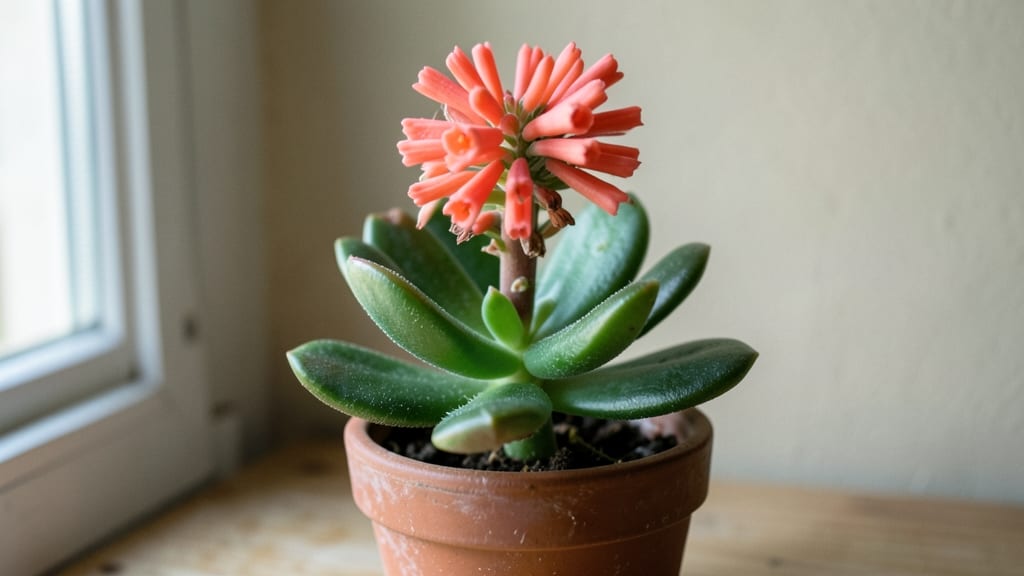
A kalanchoe plant grows well both indoors and outdoors, but its care needs shift dramatically based on your climate and sunlight access. Indoor kalanchoes prefer bright indirect light, while outdoor plants handle direct sun—just protect them from extreme heat or cold.
A kalanchoe's succulent nature makes it adaptable, but its placement determines how you care for it. 🌿 Indoors, these plants thrive near south-facing windows where they get plenty of light without scorching, while outdoors they love basking in morning sun but need afternoon shade in hotter regions.
The key difference? Temperature control—indoors, you can maintain steady conditions, while outdoors, you'll need to watch for frost or sudden heatwaves that could stress the plant.
What many growers overlook is how seasonal changes affect outdoor kalanchoes. In winter, these plants may need to come inside entirely, while summer heat might require temporary shade.
The same plant can shift between indoor and outdoor spaces as long as you monitor its leaves for signs of stress—yellowing or wrinkling means it's not getting the right balance of sun and water.
💡 In This Article
- Kalanchoe Plant Adaptations for Indoor vs Outdoor Environments
- Optimal Light and Temperature Conditions for Kalanchoe Care
Kalanchoe plant adaptations for indoor vs outdoor environments
Kalanchoes are succulents, meaning they store water in their thick, fleshy leaves—a trait that makes them uniquely adaptable to both indoor and outdoor settings. Indoors, their water-storing ability allows them to survive with less frequent watering (every 2-3 weeks), while outdoors, this adaptation helps them endure brief droughts.
Their natural resilience comes from originating in arid regions of Madagascar and Africa, where they evolved to thrive with minimal moisture but plenty of sunlight.
The biggest difference between indoor and outdoor kalanchoes lies in their light requirements. Indoors, these plants need bright, indirect light—think south-facing windows—to prevent leaf burn, while outdoors they can handle 6-8 hours of direct sun daily.
This is because outdoor plants receive more intense UV rays, which their leaves can process better when acclimated. The trade-off? Outdoor kalanchoes may grow taller and leggier if they don’t get enough sun, while indoor plants might develop stretched stems if light is insufficient. 🌞
Temperature tolerance is another critical adaptation. Indoors, kalanchoes prefer 65-75°F and can handle fluctuations better due to controlled environments. Outdoors, they can survive up to 85°F but struggle below 50°F, making frost a major threat.
This is why outdoor kalanchoes often need winter protection or indoor relocation in colder climates. Their ability to enter a semi-dormant state during stress (like heatwaves or cold snaps) helps them survive, but prolonged exposure weakens the plant.
Seasonal adjustments are key for outdoor kalanchoes. In spring and summer, they thrive with full sun and minimal water, but in fall, you’ll need to reduce sunlight exposure gradually to prevent shock. Indoors, the challenge is maintaining consistent light—supplemental grow lights (12-14 hours/day) can help if natural light is insufficient.
The plant’s growth rate also shifts: outdoor kalanchoes grow faster in warm months, while indoor plants may bloom more reliably with steady conditions. 🌱
Leaf texture and color changes reveal how well your kalanchoe is adapting. Outdoor plants develop a deeper green hue from stronger sunlight, while indoor plants might stay lighter green unless you supplement with bright light.
Wrinkled leaves signal underwatering (common outdoors in heat), while mushy leaves indicate overwatering (more likely indoors where humidity is higher). These visual cues help you adjust care based on the environment.
One often-overlooked adaptation is their flowering response. Kalanchoes bloom in response to light cycles—typically needing 12-14 hours of darkness daily for 8-10 weeks to trigger flowers. Indoors, this is easier to control with a timer, while outdoors, natural daylight variations can disrupt flowering.
This is why indoor kalanchoes often bloom more predictably than outdoor ones, where erratic weather patterns interfere with their light requirements. 💐