
Planting
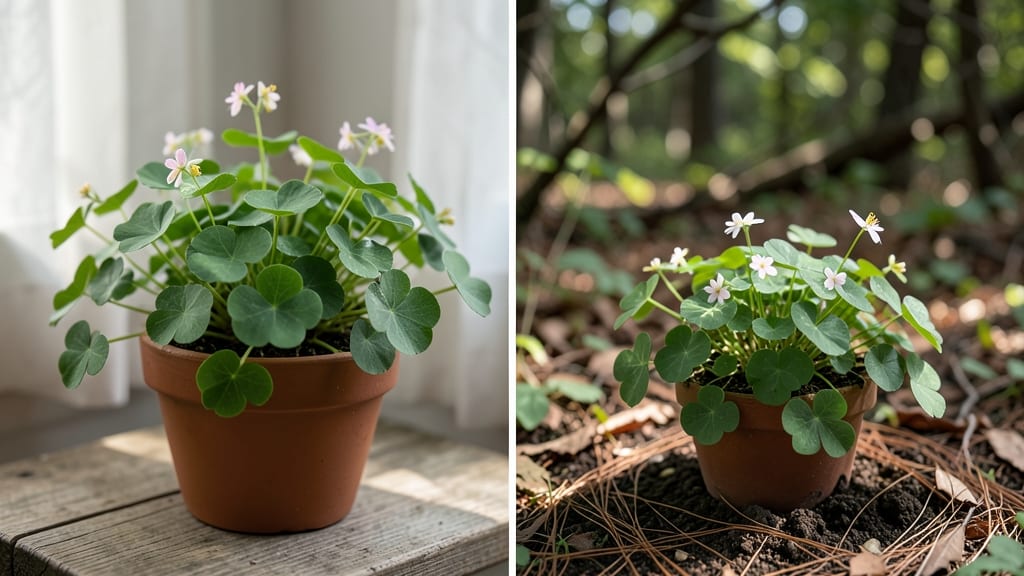
A shamrock plant can grow both indoors and outdoors, thriving as a houseplant with proper light and humidity or in temperate outdoor climates with partial shade and well-drained soil.
A shamrock plant's adaptability makes it perfect for either setting, but its needs shift depending on where you place it. 🌿 Indoors, it loves bright, indirect light near a window and benefits from occasional misting to mimic its natural damp environment.
Outdoors, it prefers cooler zones like USDA 5-9, where it can handle milder temperatures but still needs protection from harsh afternoon sun. The key difference? Indoor shamrocks stay compact in pots, while outdoor plants spread wider when given space to establish roots.
For both environments, consistent moisture is critical—let the top inch of soil dry between waterings to prevent root rot. If you notice yellowing leaves, it’s often a sign of overwatering or poor drainage. Prune leggy stems in spring to encourage bushier growth, and always use well-draining potting mix.
This flexibility means you can enjoy shamrocks year-round, whether as a cheerful windowsill plant or a low-maintenance garden addition.
💡 In This Article
- Shamrock Plant Adaptability: Indoor vs Outdoor Growth Conditions
- Step-by-Step Guide to Growing Shamrocks Indoors and Outdoors
Shamrock plant adaptability: indoor vs outdoor growth conditions
Shamrock plants—typically varieties like Oxalis triangularis—thrive in both settings due to their resilient nature, but their care requirements differ significantly. Indoors, they prefer moderate humidity levels (around 40-60%) to mimic their native damp environments, like wooded areas in South Africa.
Without adequate moisture, leaves may curl or develop brown edges, signaling stress. Outdoors, they adapt to cooler climates (USDA zones 5-9) but struggle in extreme heat or frost, which can cause leaf drop or dormancy.
The light needs also shift dramatically. Indoors, place your shamrock near an east-facing window where it receives 4-6 hours of bright, indirect light daily. Too little light leads to leggy growth, while direct sun can scorch delicate foliage.
Outdoors, they tolerate partial shade but avoid full sun, especially in hotter zones, where temperatures above 85°F can cause wilting. The plant’s trifoliate leaves act like tiny solar panels, converting light into energy—but only when conditions are just right.
Soil composition plays a critical role in both settings. Indoors, use a well-draining potting mix with added perlite or sand to prevent root rot, as shamrocks hate soggy conditions. Outdoors, amend garden soil with compost to improve drainage and fertility.
The ideal pH range is 6.0-7.0, slightly acidic to neutral, which supports nutrient uptake. Without proper soil, nutrients leach away, leading to pale or weak growth—a common issue in dense, clay-heavy soils.
Temperature preferences further highlight the adaptability gap. Indoors, keep rooms between 60-75°F; drafts from windows or vents can stress the plant. Outdoors, they handle cooler nights (down to 40°F) but need protection from sudden temperature swings.
In colder zones, mulch helps insulate roots, while indoor shamrocks benefit from a cool, bright spot during winter months. This balance ensures consistent growth, whether you’re growing shamrocks as a potted houseplant or a garden border.
One often-overlooked factor is air circulation. Indoors, gentle airflow from a small fan prevents fungal issues, while outdoors, spacing plants 6-12 inches apart reduces competition for nutrients. Poor circulation leads to powdery mildew or leaf spot diseases, which can devastate a shamrock’s vibrant foliage.
The plant’s delicate stems rely on steady airflow to stay healthy, making both indoor and outdoor environments require thoughtful placement.
Seasonal adjustments are key for outdoor shamrocks. In spring, they emerge with fresh growth, needing 1 inch of water weekly as roots establish. By summer, reduce watering to 2-3 times per week to avoid over-saturation.
Indoors, maintain consistent moisture by checking soil daily—shamrocks wilt quickly when thirsty but recover fast with proper hydration. This adaptability means you can grow shamrocks year-round, whether as a windowsill accent or a garden staple.