
Landscaping
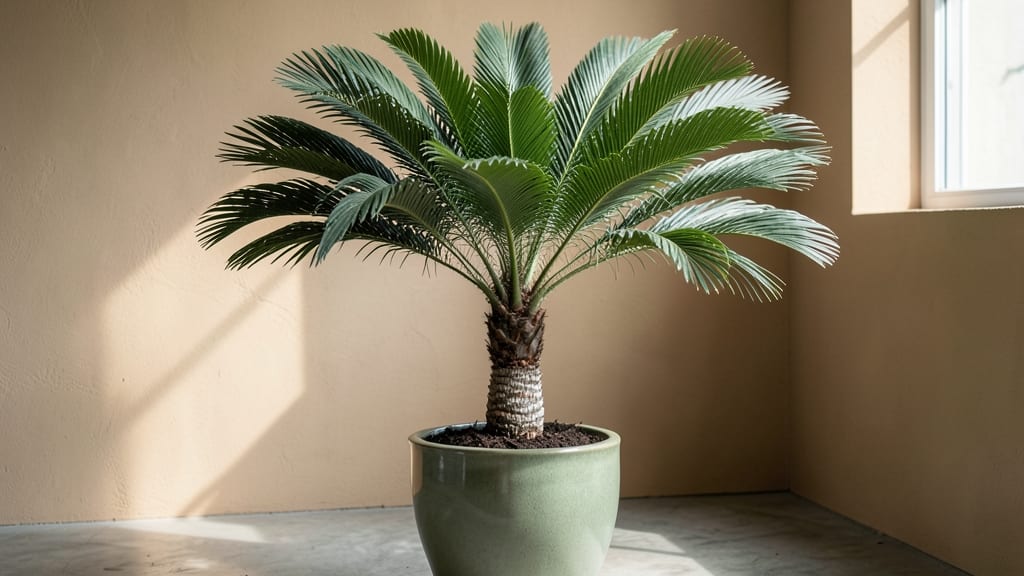
The Majesty Palm performs best as both an indoor houseplant and an outdoor tropical accent in warm climates, provided it receives proper shade and humidity. Its flexible nature lets it adapt to either environment with the right care approach.
The Majesty Palm's versatility comes from its tropical origins, where it thrives in 60-85°F temperatures and high humidity. 🌿 Indoors, it handles lower light better than most palms but still needs bright, indirect light to prevent yellowing fronds.
Outdoors, it excels in USDA zones 10-12, where it can reach impressive heights of 10-15 feet with proper protection from direct sun and frost. The key difference? Indoor palms need regular misting or a humidifier, while outdoor plants benefit from natural rainfall and shade cloth during peak sun hours.
For both settings, well-draining soil and consistent moisture (never soggy roots) are critical. Indoor growers should rotate their plants every few months to ensure even light exposure, while outdoor plants need shelter from strong winds.
This dual adaptability makes it one of the most forgiving palms for beginners, whether you're decorating a living room or adding tropical flair to your patio.
💡 In This Article
- Majesty Palm Adaptability: Indoor vs Outdoor Environmental Needs
- Optimal Growing Conditions for Majesty Palms in Different Settings
Majesty Palm adaptability: indoor vs outdoor environmental needs
The Majesty Palm's ability to thrive in both indoor and outdoor environments stems from its natural habitat in tropical forests where it evolved to handle varying light conditions.
Indoors, this palm demonstrates remarkable tolerance for lower light levels compared to other tropical palms, thanks to its ability to photosynthesize efficiently even in 1,000-2,000 foot-candles of indirect light.
Its large, arching fronds contain specialized cells called mesophyll cells that maximize light absorption in dimmer conditions, though prolonged exposure to light below 1,000 foot-candles will cause frond yellowing and stunted growth.
Outdoors, the plant's adaptability manifests differently. In its native tropical zones (USDA 10-12), Majesty Palms can grow 10-15 feet tall when given proper conditions, but they're highly sensitive to temperatures below 50°F.
The plant's vascular system contains xylem vessels that can't properly transport water when chilled, leading to cellular damage.
Even brief exposure to frost causes irreversible damage to the leaf tissue, which is why outdoor growers in temperate zones must provide microclimate protection like shade cloth during summer and winter blankets when nighttime temps drop below 55°F.
Humidity presents another key difference between indoor and outdoor cultivation. Indoors, the plant requires 50-70% relative humidity to prevent frond tips from browning—a condition caused by transpiration exceeding moisture uptake. This is why indoor growers often see browning on frond edges when central heating systems drop humidity below 40%.
Outdoors, natural rainfall and morning dew typically maintain adequate humidity levels, but coastal areas with salty air can cause similar browning unless plants receive regular freshwater misting.
The plant's growth patterns also differ significantly between settings. Indoors, Majesty Palms typically grow 2-3 feet per year when given proper care, while outdoors they can reach their mature height in 5-7 years due to more favorable growing conditions.
This faster outdoor growth is partly due to increased airflow that reduces fungal diseases and allows for deeper root development. However, outdoor plants require 6-12 inches of well-draining soil to prevent root rot, while indoor specimens thrive in 10-12 inch pots with a mix of peat, perlite, and sand.
One fascinating physiological adaptation is the plant's response to light intensity. When moved from indoor conditions to bright outdoor shade, Majesty Palms will develop darker green fronds within 4-6 weeks as chlorophyll production increases.
This color change indicates the plant is photosynthesizing more efficiently, though growers must monitor for sunburn which appears as white or yellow patches on fronds exposed to direct midday sun.
Understanding these environmental responses helps explain why Majesty Palms often look healthier outdoors in warm climates—they receive more consistent light and humidity while avoiding the stress of indoor temperature fluctuations.
The key to success in either setting is replicating these natural conditions as closely as possible, whether through grow lights and humidifiers indoors or strategic planting and microclimate management outdoors.