
Vegetables
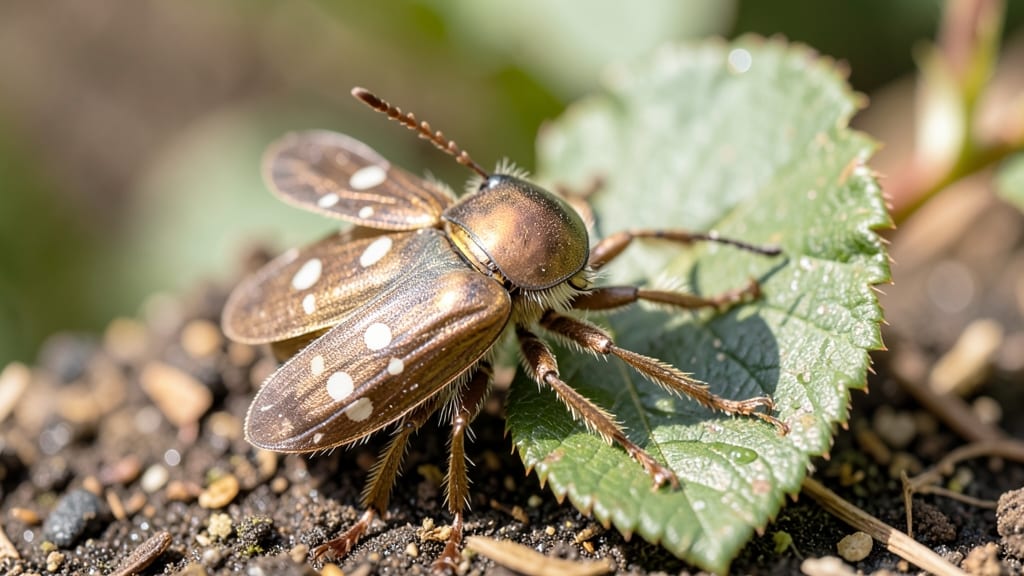
Japanese beetles indoors are a nightmare—until you use the right non-toxic traps. 🌱 I’ve battled these striped invaders in my home, and the secret lies in pheromone traps that lure them away without chemicals.
The key is placement: set traps near windows or entry points where beetles first appear, but keep them far enough from outdoor plants to avoid attracting more.
Most commercial traps work by mimicking beetle mating scents, but DIY options like soapy water traps or neem oil sprays can help too. The goal isn’t just to catch them—it’s to break their cycle.
Place traps in small batches (3-5 at a time) to avoid overwhelming your space, and check them daily to prevent escapees from spreading.
You’ll see results within a week if you’re consistent—fewer beetles on windowsills, fewer chewed leaves on houseplants, and a home that feels safe again. The best part? No toxic residues, just a cleaner indoor garden. For stubborn cases, combine traps with companion plants like marigolds or basil near entryways.
This method works for apartments, greenhouses, or even indoor herb gardens. The trick is acting fast—once they find food, they multiply. Let’s get those beetles out of your home for good.
How Beetles End Up Inside
Japanese beetles (Popillia japonica) are notorious outdoor pests, but when they invade your home, it’s usually due to a mix of environmental cues and human habits.
Understanding these triggers helps you prevent future indoor infestations—and keep your non-toxic traps effective. Here’s why these metallic-green invaders might be sneaking in:
Japanese beetles are drawn to scented foliage, especially plants in the Fabaceae (legume) family—think roses, grapes, or even your basil or tomato plants. But here’s the kicker: they’re also lured by the scent of decaying plant matter.
If you’ve got wilting leaves, overripe fruit, or compost bins near entry points (windows, doors, or vents), you’re essentially broadcasting a "buffet sign" to beetles.
Why it works:
- Beetles use pheromones and plant volatiles (chemical signals) to locate food sources.
- Ethanol and acetic acid (emitted by rotting plants) mimic the scent of fermenting fruit—beetles’ natural food.
- Actionable fix: Remove dead plant material immediately, and place traps near (but not on) healthy plants to intercept beetles before they enter.
Beetles don’t just walk indoors—they hitch rides on airflow. Open windows, poorly sealed screens, or HVAC systems create perfect entry points, especially during:
- Dusk and dawn (peak beetle activity).
- Warm, humid nights (when beetles are most active).
Why it works:
- Beetles are weak fliers but strong hitchhikers—they’ll cling to curtains, screens, or even your clothes if left outside.
- Indoor lighting (especially yellow or UV) can disorient them, making them fly erratically toward windows—right into your home.
- Actionable fix:
- Install fine mesh screens on vents and windows.
- Use blacklight traps outdoors to reduce indoor attraction.
- Close windows before sunset if beetles are active in your area.
Japanese beetles have extremely sensitive olfactory receptors—they can detect food from hundreds of feet away. If you’ve got:
- Overripe fruit (especially grapes, berries, or citrus).
- Fermenting alcohol (beer, wine, or even open soda cans).
- Pet food or garbage left exposed.
Why it works:
- Beetles are drawn to sugary, alcoholic, or protein-rich scents.
- Lactic acid (from dairy or spoiled food) triggers feeding responses.
- Actionable fix:
- Store food in airtight containers (even pet food).
- Clean spills immediately—even a dropped grape can lure beetles.
- Place citrus peels or vinegar traps near entry points to mask attractive scents.
Cracks, gaps, and poor sealing around:
- Doors and windows (even tiny 1/8-inch gaps).
- Foundation vents or utility lines (beetles squeeze through surprisingly small spaces).
- Attics or basements (where they may overwinter).
Why it works:
- Beetles are opportunistic invaders—they’ll exploit any opening if food or shelter is inside.
- Moisture and warmth (like a damp basement) make indoor spaces ideal for egg-laying.
- Actionable fix:
- Seal gaps with caulk or weatherstripping.
- Install door sweeps to block crawl spaces.
- Inspect outdoor lights—beetles gather near bright areas at night.
Japanese beetles time their indoor invasions with:
- Late summer heatwaves (they seek cooler indoor spaces).
- Early fall rains (which wash them toward shelter).
- Sudden temperature drops (they cluster near heat sources).
Why it works:
- Beetles regulate body temperature by moving between warm and cool zones.
- Humidity spikes make them more active and desperate for dry indoor air.
- Actionable fix:
- Monitor weather forecasts—peak invasion times vary by region.
- Use dehumidifiers in basements or crawl spaces.
- Outdoor traps should be placed before beetles start migrating indoors.
You might unknowingly bring beetles inside on:
- Firewood (they hide in bark crevices).
- Potted plants (check leaves and soil before bringing them in).
- Laundry or outdoor fabrics (they cling to towels, sheets, or clothing).
Why it works:
- Beetles camouflage well—they blend into dark, textured surfaces.
- They don’t bite or sting, so they’re easy to overlook until they’re already inside.
- Actionable fix:
- Inspect all outdoor items before bringing them in.
- Shake out blankets, rugs, or gardening tools outside.
- Freeze suspect items (like potted plants) for 48 hours to kill hidden beetles.
Indoor Japanese beetle invasions aren’t random—they’re chemically and behaviorally driven. By cutting off their scent trails, entry points, and shelter opportunities, you can prevent them from finding your home in the first place.
And if they do slip in? Your non-toxic traps will be ready to intercept them before they become a full-blown problem. 🚫🐜
Practical Fixes for Indoor Japanese Beetle Traps
Japanese beetles don’t just invade your garden—they can sneak indoors, especially if you’re using traps near windows or doorways. The good news? You can outsmart them with simple, non-toxic solutions.
Below, we’ll map out the most common causes of indoor beetle problems and the easiest fixes to keep them out for good.
Fix: Adjust trap placement and lure strategy.
Japanese beetle traps work by emitting pheromones that attract males (and sometimes females). If traps are too close to your home, the beetles may fly straight inside instead of into the trap. Here’s how to fix it:
- Move traps at least 20–30 feet away from your house, garage, or patio. 📏 Beetles have poor eyesight but excellent scent tracking—keeping traps far reduces indoor invasions. - Use fewer traps—overusing them can actually spread the problem.
A single trap in the yard is often enough to monitor populations. - Switch to non-pheromone lures (like floral scents or beer traps) if you’re dealing with a persistent indoor issue. These attract beetles but don’t signal a "beetle party" to others.
> 💡 Pro Tip: If you must trap near your home, place a fan between the trap and your house. The airflow disrupts their flight path, making them less likely to wander inside.
Fix: Remove them safely and seal entry points.
If you’ve already spotted beetles indoors, act fast before they damage plants or become a nuisance.
- Vacuum them up—this is the safest, fastest method.
Use a shop vac or handheld vacuum to suck them up (and empty the bag outside immediately). 🪟 Never crush them—their scent glands release a distress signal that attracts more beetles! - Freeze them out if you find them in small numbers.
Place beetles in a sealed bag and put it in the freezer for 24 hours to kill them humanely. - Seal cracks and gaps where they’re entering.
Check: - Window screens (repair tears or gaps) - Door sweeps (install a tight-fitting one) - Vents and chimneys (use fine mesh screens) - Foundation cracks (caulk with silicone sealant)
> 🔥 Quick Fix: Place sticky traps near entry points (like windowsills or under doors) to catch stragglers. Replace them every few days.
Fix: Protect your greens without harming them.
Japanese beetles love roses, grapes, and vegetables—and if you’re growing them indoors, they’ll find a way in. Here’s how to keep them away from your plants:
- Isolate infested plants outside or in a screened porch until the beetles are gone. - Spray plants with soapy water (1 tsp mild dish soap + 1 quart water).
This doesn’t harm plants but makes leaves slippery and unappetizing to beetles. 🌱 Reapply every few days. - Use row covers (fine netting) over indoor plants if beetles are a recurring issue. - Avoid overwatering—beetles are drawn to damp soil, so keep pots slightly dry.
> 🎯 Prevention Hack: Place neem oil sprays (diluted) around plant stems. The scent repels beetles naturally.
Fix: Time your trap removal for maximum effect.
Japanese beetles are most active from late June to August. If you’re still seeing them indoors after Labor Day, your traps may be past their prime.
- Remove traps by mid-September—beetles are dying off, and old traps can continue emitting pheromones, attracting stragglers indoors. - Clean up debris (fallen leaves, grass clippings) where beetles hide.
They’ll often overwinter in mulch or leaf litter, so rake and compost these areas. - Plant beetle-repelling herbs near entry points, like basil, mint, or catnip. The strong scents deter them naturally.
> ✨ Long-Term Win: Encourage natural predators like birds, parasitic wasps, and tachinid flies. These creatures love Japanese beetles and will help control populations without chemicals.
If you prefer zero-trap solutions, try these non-toxic repellents: - Citrus peels (dried or fresh) – Place near windows or plant pots.
The scent confuses beetles. - Crushed garlic or chili peppers – Sprinkle around entry points (reapply after rain). - Cucumber or tomato leaves – Beetles hate the smell; place a few near vulnerable plants.
By tackling the root cause—whether it’s trap placement, entry points, or plant protection—you can keep Japanese beetles outdoors where they belong. Start with one fix, monitor the results, and adjust as needed. Your indoor garden (and sanity) will thank you! 🌿🚫🪲
Frequently asked questions
Can I use commercial Japanese beetle traps indoors?
Not safely. Most commercial traps use pheromones that attract beetles from far away—placing them indoors can actually draw more beetles inside instead of catching them. Stick to small sticky traps near entry points or use non-toxic DIY methods like soapy water traps.
Why are Japanese beetles showing up indoors if I have outdoor traps?
Outdoor traps can backfire if placed too close to your home—beetles get confused and fly toward lights or windows instead. Move traps at least 20 feet away and use a fan between the trap and your house to disrupt their flight path. The goal is to intercept them before they enter, not lure them inside.
What’s the fastest way to remove beetles already inside?
Vacuum them up immediately with a shop vac (empty the bag outside!)—never crush them, as their scent glands release pheromones that attract more beetles. For small numbers, freeze them in a sealed bag for 24 hours to kill them humanely. Then seal cracks and gaps to prevent future entries.
Are DIY traps safer than commercial ones for indoor use?
Yes! DIY options like soapy water traps (dish soap + water in a bowl) or citrus peel barriers are non-toxic and won’t attract more beetles. Place them near windows or plant pots—beetles get trapped without spreading distress signals. For stubborn cases, combine traps with neem oil sprays around entry points.
How do I keep beetles from damaging my indoor plants?
Isolate infested plants outdoors temporarily, then spray leaves with a soapy water solution (1 tsp mild soap per quart of water) to deter beetles. Use row covers or neem oil for long-term protection. Avoid overwatering—beetles love damp soil!