
Succulent
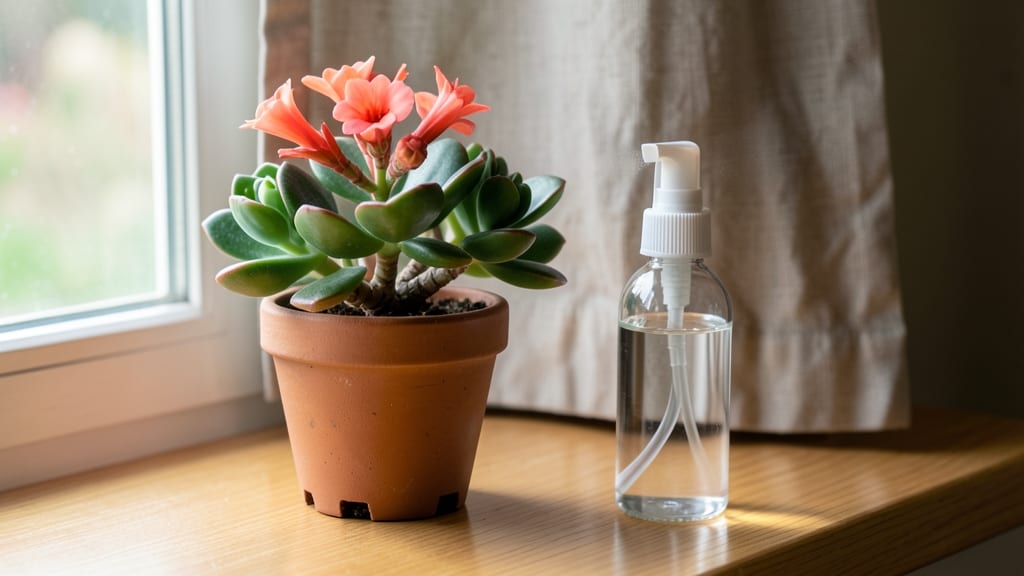
My Kalanchoe plant just bloomed for the third time this year—and it’s all because I finally cracked the code on indoor care. 🌸 These succulents are tougher than they look, but most people overwater or underlight them, killing that vibrant growth.
The secret? Mimicking their natural dry, bright conditions indoors, even in low-light spaces.
Start with well-draining soil (cactus mix works perfectly) and a pot with drainage holes—root rot is the #1 killer. Water only when the top inch of soil is bone dry, and never let it sit in saucers of water.
Bright, indirect light keeps those blooms coming, but even east-facing windows or grow lights will work if you’re patient. Fertilize lightly every 6-8 weeks in spring and summer, and you’ll see those clusters of flowers appear like clockwork.
Prune leggy stems after blooming to encourage bushier growth, and watch for mealybugs—wipe them off with rubbing alcohol if you spot them. The payoff? A plant that thrives year-round with minimal fuss, rewarding you with cheerful blooms even when other houseplants struggle.
Trust me, once you get the rhythm, you’ll wonder why you ever struggled.
Works for beginners and experienced growers alike—just adjust light and water based on your home’s conditions. Here’s how to keep yours happy, no matter where you live.
📚 In This Guide
- What you need
- Instructions
- Tips and common mistakes
- Wrapping up and next steps
What you need
- ● Kalanchoe plant: Choose a healthy specimen (6–12 inches tall) from a nursery or propagate your own from a cutting.
- ● 6-inch pot: Opt for a terracotta or ceramic pot with drainage holes (1–2 per plant). Avoid plastic if humidity is high.
- ● Well-draining cactus/succulent soil mix: Look for blends labeled for succulents or cacti (e.g., 50% potting soil + 50% perlite/pumice). 1–2 gallons per plant.
- ● Drainage tray or saucer: Place under the pot to catch excess water (non-porous ceramic or plastic works).
- ● Watering can with a narrow spout: Ensures precise watering (avoid soaking the soil).
- ● Sunlight source: A south- or east-facing window (or a grow light for low-light setups, 12+ hours/day).
- ○ Fertilizer (optional but helpful): A balanced liquid fertilizer (10-10-10 or 5-5-5) or succulent-specific slow-release granules.
- ● Trowel or spoon: For repotting or adjusting soil (small, 3–4 inches long).
- ● Moisture meter: Helps avoid overwatering (insert into soil to check moisture levels).
- ● Spray bottle: For misting leaves if humidity drops below 40% (use room-temperature water).
- ● Pruning shears: Sterilized scissors for trimming dead leaves or leggy stems.
- ○ Decorative stones or pebbles: Adds aesthetic appeal to the pot’s surface (optional but fun!).
- ● Plant labels: Waterproof markers to track varieties and care notes.
Step-by-step kalanchoe plant care indoors
Here's how to keep your kalanchoe thriving indoors with minimal fuss—no black thumbs required.
🪴 Step 1: Choose the Right Spot for Light and Airflow
Kalanchoes tolerate low light better than most succulents, but they still need bright, indirect light for at least 4-6 hours daily. A north-facing window or 6-12 inches from an east- or west-facing window works perfectly. If your home is dim, supplement with a grow light for 6-8 hours daily—just keep it 12-18 inches away to avoid scorching leaves.
Here's the thing—too much direct sun causes leaves to turn red or develop sunburn spots. You'll notice this as pale, crispy patches or a sudden color shift. Rotate your plant a quarter turn weekly so growth stays even and no side gets permanently shaded.
💧 Step 2: Water Only When Soil Is Bone-Dry
This is where most people go wrong. Kalanchoes store water in their leaves, so they need deep but infrequent watering. Stick your finger 1 inch into the soil—if it feels completely dry, it's time to water. If it's still slightly damp, wait another 3-5 days. Overwatering is the #1 killer, causing mushy stems and root rot that spreads fast.
When you water, soak the soil until water runs out the drainage hole. Empty the saucer immediately after—sitting water drowns roots overnight. In winter, you might only need water every 3-4 weeks, while summer may require every 2 weeks. Watch your plant: wrinkled leaves mean it's thirsty; soft, squishy stems mean you've overdone it.
✂️ Step 3: Prune for Bushier Growth and Longer Blooms
Pinching back leggy stems encourages fuller growth and triggers more blooms. Use clean, sharp scissors to snip just above a leaf node (where leaves meet the stem) when stems reach 4-6 inches tall. This redirects energy to side shoots instead of one long, weak stem. I do this every 6-8 weeks in spring and summer to keep my plants compact and bushy.
After flowering, cut back spent stems to 1 inch above the base. This shock might look harsh, but it signals the plant to focus on foliage and new buds. Deadhead regularly—removing faded blooms prevents seed pods from forming, which saps energy. You'll see new flower stalks emerge within 4-6 weeks if light and water are right.
☀️ Step 4: Feed Sparingly for Vibrant Blooms
Kalanchoes don't need much fertilizer, but a light feeding in spring boosts blooms. Use a balanced, water-soluble fertilizer (10-10-10 or 20-20-20) diluted to half strength every 4-6 weeks during active growth (spring through early fall). Never feed in winter—the plant is resting, and fertilizer just burns roots.
Here's the trick: water thoroughly first, then apply fertilizer to damp soil. This prevents salt buildup that crispy leaf edges. After feeding, rinse the soil surface with plain water to wash away any residue. You'll notice brighter green leaves and more abundant blooms with this simple routine.
🌱 Step 5: Watch for Pests and Act Fast
Mealybugs and spider mites are the usual culprits. Check leaves weekly for white cottony patches (mealybugs) or fine webbing (spider mites). Isolate the plant immediately if you spot them—these pests spread fast. Wipe leaves with a damp cloth to remove pests manually, then spray with neem oil or insecticidal soap (follow label rates). Repeat every 5-7 days until pests disappear.
Real talk: I've lost plants to scale insects because I ignored tiny bumps on stems. These pests suck sap, causing leaves to yellow and drop. If you see sticky residue (honeydew), act immediately. A strong spray of water first dislodges many pests, then follow with the neem oil treatment. Healthy kalanchoes rarely get pests, so proper light and watering are your best defense.
Tips & tricks for perfect kalanchoe plant care
These simple strategies will help your kalanchoe thrive in low-light conditions—no gardening degree required.
Lighting Hack: If you notice your kalanchoe stretching toward the light (a sign of "etiolation"), it's getting too little light. Move it closer to the window or add a grow light for those 4-6 hours daily. I keep mine 6 inches from my east-facing window—just enough to keep leaves compact and vibrant. Too much direct sun? Rotate the pot weekly to prevent uneven growth.
Watering Wisdom: The 1-inch dry soil test is your best friend. I've learned the hard way that waiting until the soil is bone-dry prevents those dreaded mushy stems. In winter, I water every 3-4 weeks—my plant's wrinkled leaves are its way of saying "I'm thirsty!" but never let the soil stay soggy longer than overnight. Pro tip: Use a pot with drainage holes to avoid root rot.
Pruning Pro Tip: When pinching back those 4-6 inch stems, look for the leaf node—the spot where leaves meet the stem. Snip just above it to encourage bushier growth. After flowering, cutting stems back to 1 inch above the base might seem drastic, but your plant will thank you with fresh blooms in 4-6 weeks. I deadhead regularly to keep my plants flowering nonstop!
Fertilizing Fine Points: That half-strength fertilizer every 4-6 weeks makes all the difference. I always water first to prevent salt buildup—nothing worse than crispy leaf edges from over-fertilizing. In winter, I skip feeding entirely since my plant's in its dormant phase. A quick rinse after fertilizing removes any residue that could harm those delicate leaves.
Pro Tips for Kalanchoe Plant Care Indoors
- These simple strategies will help your kalanchoe thrive in low-light conditions—no gardening degree required.
- Lighting Hack: If you notice your kalanchoe stretching toward the light (a sign of "etiolation"), it's getting too little light.
- Watering Wisdom: The 1-inch dry soil test is your best friend.
Frequently asked questions
How often should I water my Kalanchoe plant?
Water your Kalanchoe only when the top 1-2 inches of soil are completely dry. Typically, this means watering every 2-3 weeks in winter and every 1-2 weeks in spring/summer. Overwatering is the #1 killer—let it go thirsty rather than soggy!
Why isn’t my Kalanchoe blooming?
Kalanchoes need 12-14 hours of darkness daily for 6+ weeks to trigger blooms. Place it in a dark closet or cover it with a box at night. Avoid bright light during this period. Also, ensure it’s not overcrowded—trim older leaves to encourage new growth.
What should I do if my Kalanchoe has pests?
Check for mealybugs, aphids, or spider mites under leaves. Wipe leaves with a neem oil solution (1 tsp oil + 1 quart water) or rinse with soapy water. Isolate the plant to prevent spread. For severe infestations, repeat treatment every 5-7 days.
Can Kalanchoe survive in low light?
Yes! While they prefer bright, indirect light, Kalanchoes tolerate low light better than most succulents. Place it near a north-facing window or under grow lights (12+ hours/day). Growth may slow, but it won’t die—just expect fewer blooms.
What’s the ideal temperature for indoor Kalanchoe care?
Keep your plant in 65–75°F (18–24°C) temperatures. Avoid drafts (like AC vents) and sudden drops below 50°F (10°C). If leaves wrinkle or drop, it’s likely too cold—move it to a warmer spot!
How do I propagate my Kalanchoe?
Snip a healthy leaf or stem cutting (use clean scissors!) and let it callus for 1-2 days. Place it in dry soil or a glass of water until roots form (2-4 weeks). Transplant once rooted—no fancy tools needed!
Wrapping up and next steps
Caring for a kalanchoe plant indoors is all about embracing its easygoing nature—bright (but indirect) light, minimal water, and a cozy spot near a window are the keys to year-round blooms!
With the right balance of sunlight, well-draining soil, and occasional pruning, your succulent will thrive even in low-light spaces. 🌿
Now that you’re armed with these low-light secrets, why not expand your green collection? Try pairing your kalanchoe with other hardy succulents or experiment with propagation to share the love. Happy planting—your plant (and future blooms) will thank you! 🌸